👟 Why Shoebutton Ardisia Is Not an Annual
Ardisia elliptica
By the Greg Editorial Team
Sep 29, 2024•3 min read
This article was created with the help of AI so we can cover more plants for you. May contain errors. See one? Report it here.
Elevate your garden with resilient Shoebutton Ardisia 🌿, a perennial that thrives year-round and attracts local wildlife!
- 🌱 Shoebutton Ardisia is a perennial, thriving year after year in diverse climates.
- 🌿 Its deep roots enhance nutrient absorption, ensuring robust growth and longevity.
- 🌼 Year-round flowering and beauty make it a valuable addition to any garden.
Shoebutton Ardisia as a Perennial
🌱 Genetic Characteristics
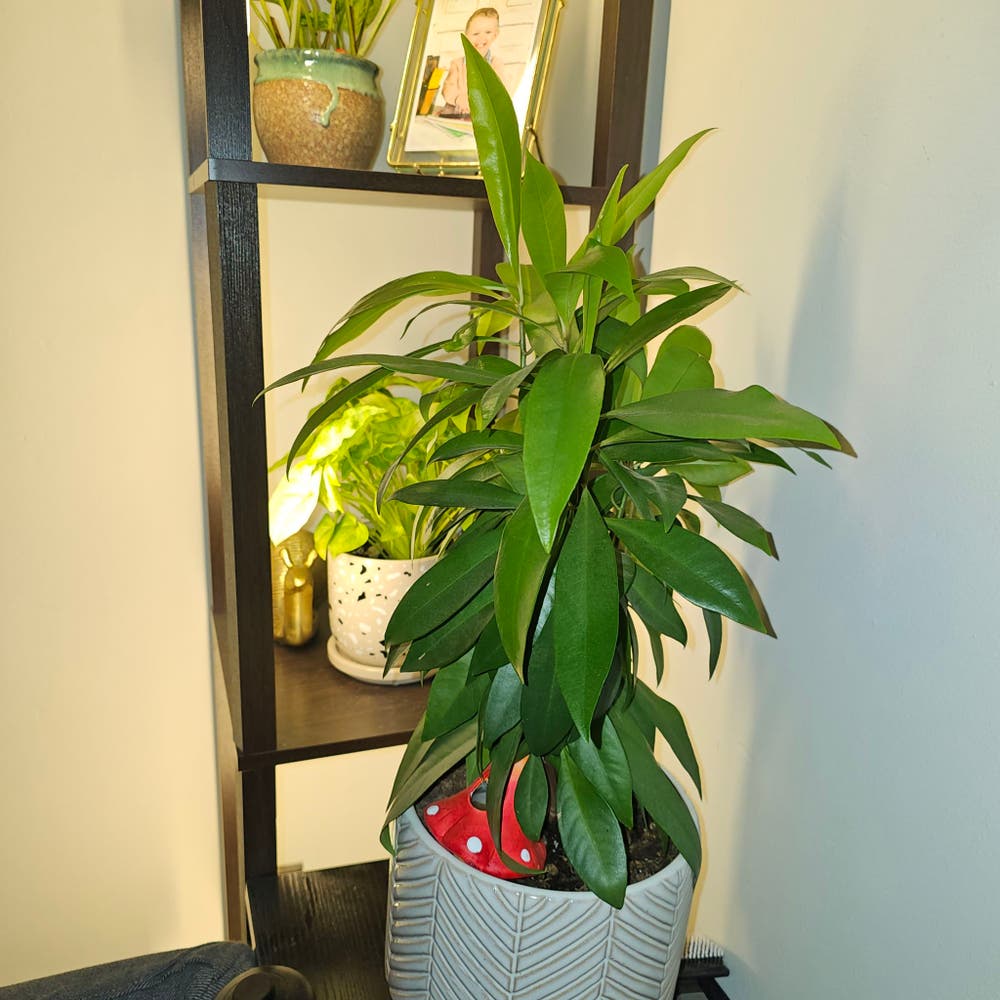
Shoebutton Ardisia, scientifically known as Ardisia elliptica, is classified as a perennial plant. Its genetic makeup includes adaptations that promote longevity, allowing it to thrive year after year.
These adaptations provide evolutionary advantages, particularly in tropical climates where conditions can be challenging. The plant's resilience is a key factor in its survival and growth.
🍃 Physiological Traits Supporting Perennial Growth
One of the standout features of Shoebutton Ardisia is its evergreen foliage, which retains leaves throughout the year. This characteristic not only enhances its aesthetic appeal but also contributes to its ability to photosynthesize continuously.
Additionally, the plant boasts a deep and extensive root system. This allows for efficient nutrient and water absorption, making it well-equipped to endure varying environmental conditions.
⏳ Long-Term Lifecycle and Growth Patterns
Shoebutton Ardisia undergoes distinct growth stages, transitioning from juvenile to mature plant development. This progression is marked by continuous growth and flowering cycles, ensuring that the plant remains vibrant.
In optimal conditions, the lifespan of Shoebutton Ardisia can be quite impressive. Gardeners can expect a long-term investment in beauty and greenery.
🌼 Reproductive Strategies
The flowering cycles of Shoebutton Ardisia are influenced by seasonal patterns and environmental triggers. This adaptability ensures that the plant can reproduce effectively throughout the year.
When compared to annuals, Shoebutton Ardisia produces a significant quantity of seeds, which are viable for spreading. Its reproductive strategies are finely tuned to enhance survival and ensure the continuation of the species.
🌿 Implications for Gardeners
🌸 Benefits of Incorporating in Garden Design
Incorporating Shoebutton Ardisia into garden design offers numerous benefits. Its evergreen foliage and flowering clusters provide year-round aesthetic appeal.
Moreover, its perennial nature makes it a long-term investment, offering sustained beauty and interest in the landscape. Additionally, it creates habitats that support local wildlife and pollinators, enriching the garden ecosystem.
📈 Strategies for Maximizing Longevity
To maximize the longevity of Shoebutton Ardisia, gardeners should focus on optimal planting conditions. This includes ensuring the right soil, light, and moisture levels for healthy growth.
Seasonal care is also crucial. Adjusting care practices based on the plant's growth cycles can significantly enhance its vitality. Companion planting with compatible species can further boost growth and resilience.
✂️ Tips for Managing as a Perennial
Effective management of Shoebutton Ardisia involves several key practices. Pruning techniques can encourage healthy growth and abundant flowering, ensuring the plant remains vibrant.
Establishing a fertilization schedule is essential to meet the plant's nutrient needs throughout the year. Additionally, proactive pest and disease management will help maintain the health of this perennial gem over time.
With these insights, gardeners can fully appreciate the value of Shoebutton Ardisia and its role in creating a thriving, beautiful garden.
⚠️ Safety First
This content is for general information and may contain errors, omissions, or outdated details. It is not medical, veterinary advice, or an endorsement of therapeutic claims.
Always consult a qualified healthcare professional before using any plant as food, medicine, or supplement.
Never eat any plant (or feed one to pets) without confirming its identity with at least two trusted sources.
If you suspect poisoning, call Poison Control (800) 222-1222, the Pet Poison Helpline (800) 213-6680, or your local emergency service immediately.
Spotted an error? Please report it here.
Unlock the perennial potential of Shoebutton Ardisia 🌱 with Greg's personalized care tips and reminders, ensuring your garden flourishes beautifully season after season!