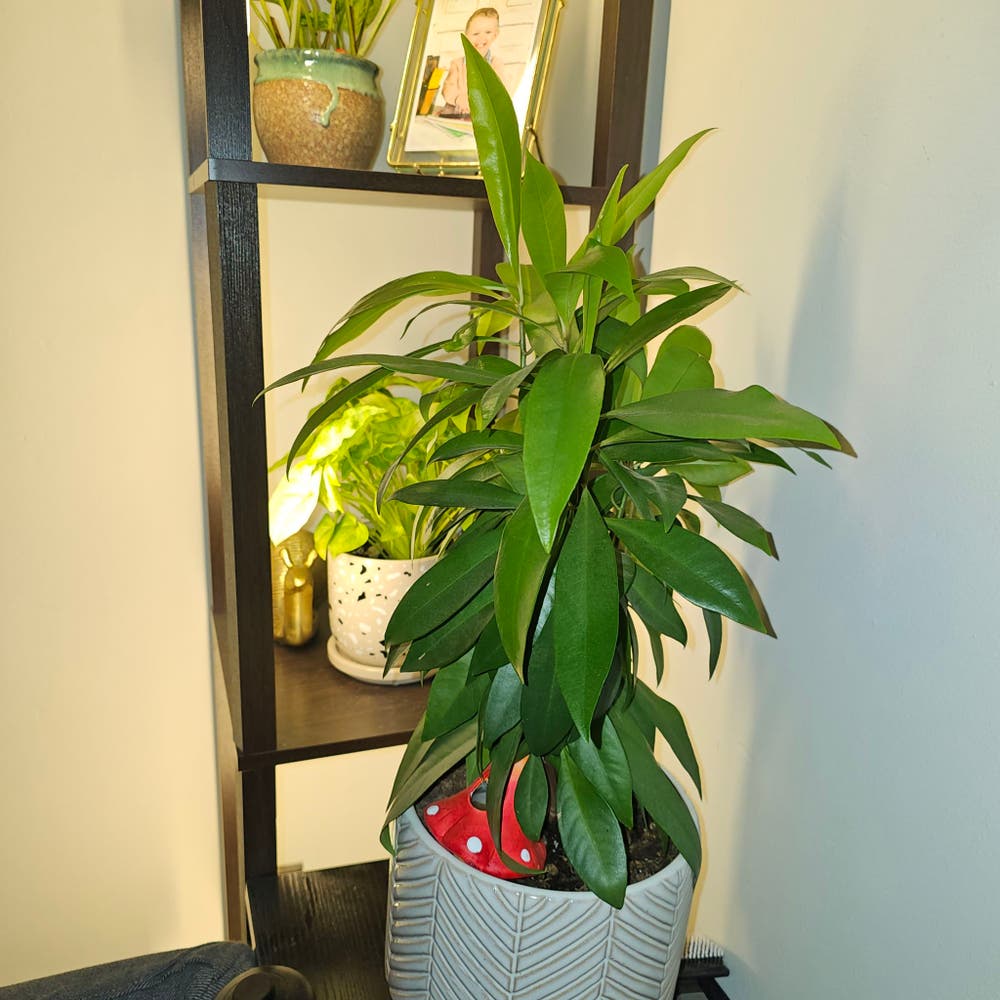
How to Fix Droopy Leaves on Your Coralberry 😢
Ardisia elliptica
By the Greg Editorial Team
Oct 19, 2024•5 min read
This article was created with the help of AI so we can cover more plants for you. May contain errors. See one? Report it here.
Revive your Coralberry 🌱 with essential tips on moisture, pests, and recovery for vibrant growth!
- 💧 Consistent soil moisture is crucial; check with the finger test for dryness.
- 🐞 Monitor for pests like aphids; use natural controls to prevent droopy leaves.
- 🌞 Optimal light and temperature (60°F-80°F) promote healthy Coralberry growth.
Watering and Soil Conditions
🌧️ Importance of Soil Moisture
Maintaining the right soil moisture is crucial for your Coralberry. Aim for consistently moist soil, but avoid sogginess, as this can lead to root issues.
Well-drained sandy soils are preferred for Coralberry. They allow excess water to escape, preventing root rot and promoting healthy growth.
🔍 How to Check Soil Moisture Levels
To check if your Coralberry needs water, use the finger test. Simply insert your finger 1-2 inches into the soil; if it feels dry, it’s time to water.
For more precise readings, consider using a soil moisture meter. This tool can help you monitor moisture levels accurately, ensuring your plant gets just the right amount of water.
💧 Recommended Watering Practices
Water your Coralberry every 1-2 weeks, adjusting based on rainfall. Consistent watering helps establish a strong root system.
When watering, ensure deep penetration to encourage root growth. During hot, dry months, increase your watering frequency to keep your plant thriving.
By following these practices, you can help your Coralberry flourish and prevent droopy leaves. Next, let’s explore how to manage pests and diseases that may affect your plant.
Pest and Disease Management
🐜 Common Pests Affecting Coralberry
Aphids
Aphids are small, sap-sucking insects that can wreak havoc on your Coralberry. Look for signs like sticky residue on leaves and distorted growth; these indicate an infestation.
To control aphids, consider using insecticidal soap, which is effective and safe for your plant. You can also introduce natural predators like ladybugs to help keep their numbers in check.
Spider Mites
Spider mites are another common pest that can affect Coralberry. You might notice fine webbing on the plant and speckled leaves, which are clear indicators of their presence.
Increasing humidity around your Coralberry can deter spider mites. If the problem persists, consider using miticides to eliminate them effectively.
🌿 Diseases That Cause Droopy Leaves
Root Rot
Root rot is a serious condition that can lead to droopy leaves, often despite adequate watering. Symptoms include wilting and a general decline in plant health.
To prevent root rot, ensure your Coralberry is planted in well-drained soil. Avoid overwatering, as this can create the perfect environment for root rot to thrive.
Fungal Infections
Fungal infections can also cause droopy leaves, often presenting as leaf spots and wilting. These infections can spread quickly if not addressed.
Treat fungal infections with fungicides and improve air circulation around your plant to help it recover. Keeping the leaves dry can also minimize the risk of future infections.
🧪 Treatment Options for Pests and Diseases
When it comes to treating pests and diseases, you have several options. Organic solutions like neem oil and diatomaceous earth are effective and environmentally friendly.
If you must resort to chemical treatments, use them as a last resort and always follow the label instructions. This ensures the safety of your Coralberry while effectively managing any infestations or infections.
With a proactive approach to pest and disease management, your Coralberry can thrive. Next, let’s explore the environmental factors that can impact its health.
Environmental Factors
🌡️ Impact of Temperature on Coralberry
Coralberry thrives in a cozy temperature range of 60°F to 80°F (15°C to 27°C). When temperatures swing too high or too low, the plant can experience stress, resulting in droopy leaves.
☀️ Light Requirements and Their Effect on Leaf Health
For optimal growth, Coralberry needs full sun to partial shade. If you notice stretching stems or pale leaves, it’s a sign that your plant isn’t getting enough light.
💧 Humidity Levels and Their Influence
Moderate humidity is ideal for Coralberry. If the air is too dry, the plant may become stressed, leading to droopy leaves.
To combat low humidity, consider misting the leaves or using a humidity tray to create a more favorable environment.
Understanding these environmental factors is crucial for maintaining healthy Coralberry plants. By ensuring the right temperature, light, and humidity, you can significantly improve their overall health and vitality.
Next, let’s explore preventive measures to keep your Coralberry thriving.
Preventive Measures
Best Practices for Coralberry Care 🌱
To keep your Coralberry thriving, establish a regular watering schedule. Consistency is crucial; aim to water at the same intervals to prevent droopy leaves.
Incorporate soil amendments like organic matter to enhance drainage. This simple step can make a significant difference in your plant's health.
Seasonal Adjustments to Care Routine ☀️
During winter, reduce watering and protect your Coralberry from frost. This helps the plant conserve energy and stay healthy.
In the summer, increase watering frequency to combat the heat. Hot weather can stress your plant, leading to droopy leaves if not addressed.
Importance of Regular Monitoring 🔍
Make it a habit to check your Coralberry weekly. Inspect for pests, moisture levels, and overall health to catch any issues early.
Keep a record of changes in care and how your plant responds. This documentation can help you refine your approach and ensure your Coralberry remains vibrant.
By following these preventive measures, you set the stage for a healthy Coralberry, ready to thrive through the seasons. Next, let’s explore recovery techniques for when droopy leaves do occur.
Recovery Techniques
Step-by-Step Guide to Reviving Droopy Coralberry 🌱
Reviving a droopy Coralberry starts with assessing moisture levels. Check the soil; if it feels dry, adjust your watering accordingly.
Next, remove any affected leaves. Pruning wilting or damaged foliage helps the plant focus its energy on healthier growth.
Finally, adjust environmental conditions. Ensure your Coralberry receives optimal light and temperature to promote recovery.
When to Prune Droopy Leaves ✂️
Timing is crucial when pruning droopy leaves. Aim to prune during the growing season for the best chance of recovery.
Use clean, sharp tools to avoid introducing infections. This simple step can make a significant difference in your plant's health.
Fertilization Tips for Recovery 🌿
For fertilization, a balanced NPK formula is recommended. This type of fertilizer provides essential nutrients that support recovery.
Fertilize after pruning to give your Coralberry a boost. Aim for every 4-6 weeks during the growing season to keep it thriving.
By following these recovery techniques, you can help your Coralberry bounce back from droopiness. Next, let’s explore preventive measures to keep your plant healthy and vibrant.
⚠️ Safety First
This content is for general information and may contain errors, omissions, or outdated details. It is not medical, veterinary advice, or an endorsement of therapeutic claims.
Always consult a qualified healthcare professional before using any plant as food, medicine, or supplement.
Never eat any plant (or feed one to pets) without confirming its identity with at least two trusted sources.
If you suspect poisoning, call Poison Control (800) 222-1222, the Pet Poison Helpline (800) 213-6680, or your local emergency service immediately.
Spotted an error? Please report it here.
Revive your droopy Coralberry by mastering moisture, pest control, and light conditions, and let Greg's custom care reminders 🌿 guide you to thriving success!