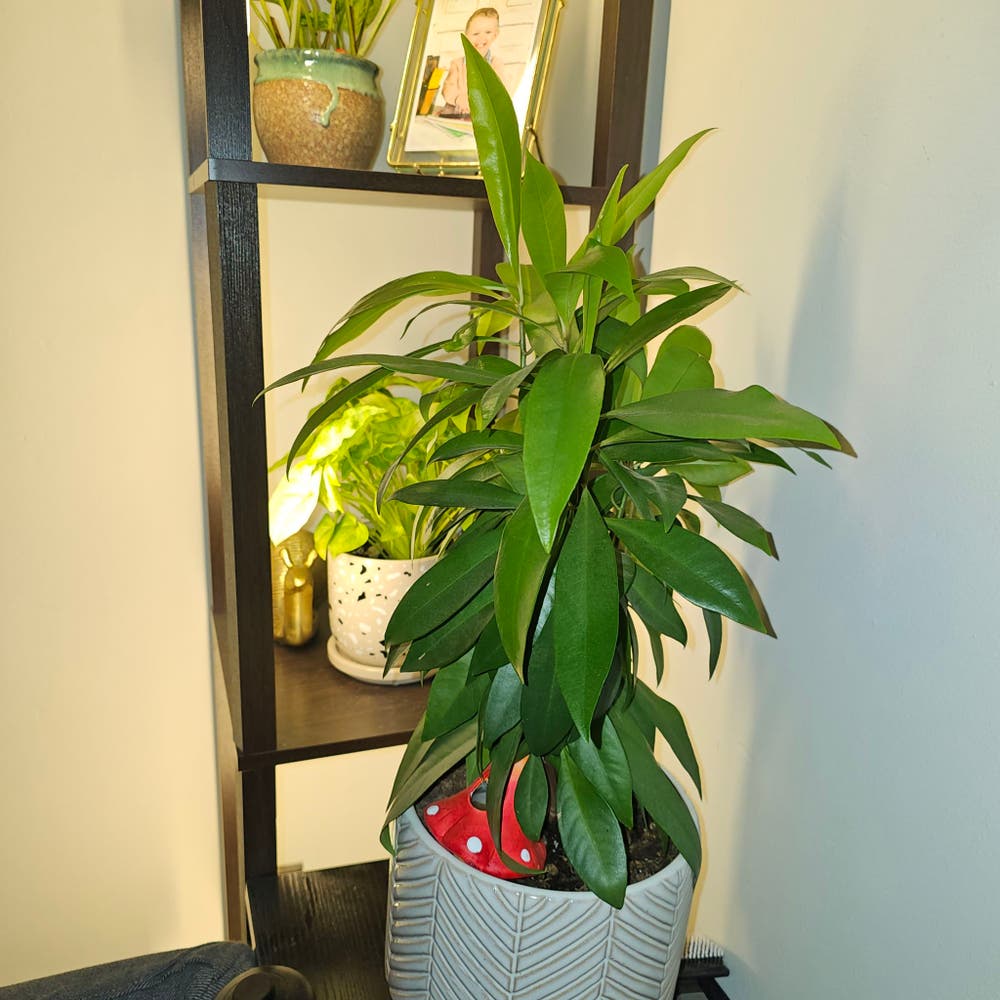
What To Do About Coralberry Dying 🍇
Ardisia elliptica
By the Greg Editorial Team
Oct 18, 2024•5 min read
This article was created with the help of AI so we can cover more plants for you. May contain errors. See one? Report it here.
Transform your garden 🌱 by mastering coralberry care—spot distress signs early for a thriving, vibrant plant!
- 🌱 Coralberry shows yellowing leaves and wilting due to nutrient deficiencies or watering issues.
- 🐛 Inspect regularly for pests like aphids and spider mites to prevent infestations.
- ☀️ Ensure proper light and drainage to promote healthy growth and prevent diseases.
Recognizing Unhealthy Coralberry
Symptoms of Unhealthy Coralberry 🌱
Coralberry plants can show several signs when they're not thriving. Recognizing these symptoms early can help you take action before it's too late.
Yellowing Leaves 🍋
If you notice yellowing leaves, it might indicate nutrient deficiencies or watering issues. This is often the plant's way of signaling that something is off in its environment.
Wilting or Drooping 😢
Wilting or drooping leaves suggest underwatering or potential root problems. A quick check of the soil can help determine if your plant is thirsty or in distress.
Fuzzy Growth 🐛
Fuzzy growth on your coralberry can be a red flag for fungal issues or pest infestations. This symptom often requires immediate attention to prevent further damage.
Leaning or Leggy Growth 📏
If your coralberry is leaning or exhibiting leggy growth, it likely points to inadequate light or nutrient issues. These plants thrive in well-lit conditions, and any deficiency can lead to weak, stretched stems.
Recognizing these symptoms is the first step in ensuring your coralberry remains healthy and vibrant. Next, let’s dive into common problems specific to coralberry that can affect its well-being.
Common Problems Specific to Coralberry
💧 Incorrect Watering
Identifying Overwatering and Underwatering
Overwatering is often indicated by yellowing leaves, wilting, and root rot. Conversely, underwatered coralberry displays dry, crispy leaves, wilting, and stunted growth.
Causes and Effects
Poor drainage, heavy soils, and excessive rainfall can lead to overwatering. Infrequent watering and drought conditions are typical causes of underwatering.
Steps to Resolve Watering Issues
- Check soil moisture; if it feels soggy, reduce watering.
- For underwatered plants, gradually increase the watering frequency.
- Amend soil with organic matter to ensure proper drainage.
💡 Incorrect Light Conditions
Signs of Inadequate or Excessive Light
Insufficient light results in leggy growth and sparse foliage. Excessive light can scorch leaves and fade their color.
Causes and Effects
Coralberry thrives in full sun to partial shade. Too much light can lead to leaf burn and overall plant stress.
Solutions for Light-Related Problems
Relocate plants to areas with appropriate light exposure. If necessary, use shade cloth to protect them from harsh sunlight.
🐛 Pests
Common Pests Affecting Coralberry
Aphids, spider mites, and scale insects are common culprits. Each can significantly impact the health of your coralberry.
Identification and Symptoms
Aphids leave a sticky residue on leaves and cause curling. Spider mites create fine webbing and result in stippled leaves.
Treatment and Prevention Methods
- Spray with insecticidal soap or neem oil.
- Introduce beneficial insects like ladybugs to control pests.
- Regularly inspect plants for early signs of infestation.
🦠 Diseases
Identifying Symptoms of Common Diseases
Look for white, powdery spots on leaves, indicating powdery mildew. Rust manifests as orange or yellow spots, while black rot shows dark lesions on stems and leaves.
Causes and Treatment Options
Improve air circulation and avoid overhead watering to prevent diseases. For severe infections, use fungicides and remove infected plant material promptly.
🌱 Growth Problems
Identifying Issues Like Not Growing, Not Fruiting, Leaning, Leggy, and Etiolated Growth
Stagnation in growth despite ideal conditions can signal issues. Lack of fruiting may stem from insufficient pollinators or nutrient deficiencies.
Causes and Effects
Nutrient deficiencies or poor soil quality can hinder growth. Inadequate light often leads to weak, leggy plants.
Steps to Encourage Healthy Growth
- Ensure proper light exposure and adjust fertilization as needed.
- Prune leggy growth to promote bushier development.
- Use stakes for support if the plant is leaning.
Understanding these common problems can help you take proactive steps to keep your coralberry thriving. Next, we'll explore preventive measures to ensure your plant remains healthy and vibrant.
Preventive Measures
Best Practices for Coralberry Care 🌱
To keep your coralberry thriving, regularly check the soil moisture and adjust your watering routine accordingly. This simple habit can prevent both overwatering and underwatering, ensuring your plant gets just the right amount of hydration.
Additionally, ensure your coralberry receives adequate light and temperature conditions. Coralberries prefer full sun to partial shade, so positioning them correctly is crucial for their health.
Importance of Regular Monitoring 🔍
Regular monitoring is key to early detection of potential problems. Catching issues early can save your coralberry from serious decline and help maintain its overall health.
Frequent inspections allow you to address any signs of distress before they escalate. This proactive approach can make all the difference in your plant's vitality.
Using the Greg Plant Care App for Reminders 📱
Consider using the Greg Plant Care App to set reminders for watering, fertilizing, and pest inspections. This handy tool can help you stay on top of your coralberry's needs without the stress of remembering everything.
The app also offers tailored care tips specific to coralberry, ensuring you provide the best possible environment for your plant. With the right tools and practices, you can cultivate a thriving coralberry that brings beauty to your garden.
Transitioning to the next topic, understanding common problems specific to coralberry will further enhance your ability to care for this resilient plant.
⚠️ Safety First
This content is for general information and may contain errors, omissions, or outdated details. It is not medical, veterinary advice, or an endorsement of therapeutic claims.
Always consult a qualified healthcare professional before using any plant as food, medicine, or supplement.
Never eat any plant (or feed one to pets) without confirming its identity with at least two trusted sources.
If you suspect poisoning, call Poison Control (800) 222-1222, the Pet Poison Helpline (800) 213-6680, or your local emergency service immediately.
Spotted an error? Please report it here.
Keep your coralberry vibrant and healthy 🌿 by using Greg for tailored reminders on watering and pest inspections, ensuring you catch issues before they escalate!