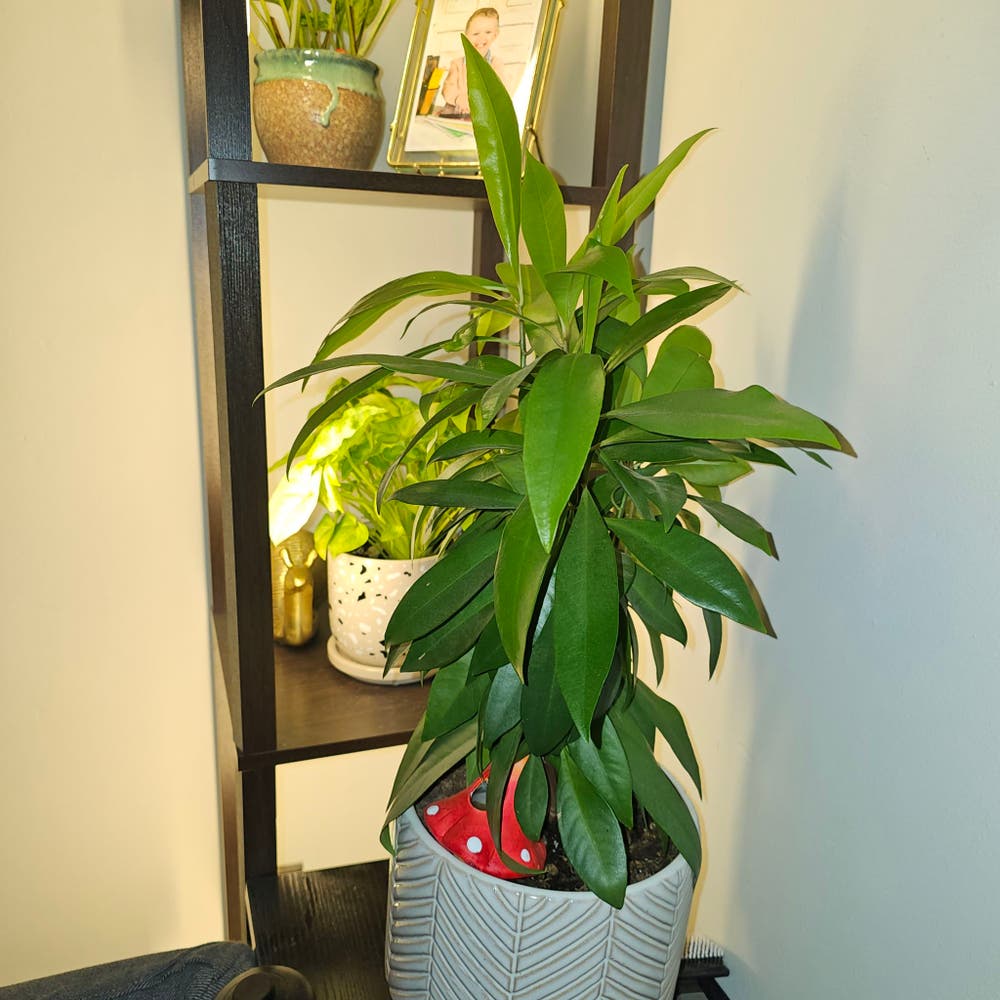
Should I Repot My Coralberry?
Ardisia elliptica
By the Greg Editorial Team
Jun 17, 2024•4 min read
This article was created with the help of AI so we can cover more plants for you. May contain errors. See one? Report it here.
Discover how to keep your Coralberry flourishing 🌿 with timely repotting secrets.
- Roots escaping drainage holes? Time to repot your Coralberry.
- 🌱 Repot in spring or early summer, avoiding blooming periods.
- Choose a pot 1-2 inches larger for optimal Coralberry growth.
Spotting the Telltale Signs It's Time to Repot
🌱 Roots Running Wild: Identifying a Root-Bound Coralberry
If your Coralberry's roots are making a break for it out of the drainage holes, it's not plotting an escape—it's root-bound. A root tangle at the pot's bottom is a silent alarm for more space.
💧 Thirsty All the Time: How Water Drainage Issues Hint at Repotting Needs
When water races through the soil like it's late for a marathon, it's a sign. Quick-drying soil means your Coralberry's roots have taken over, leaving little room for moisture.
🌿 When Growth Hits a Wall: Recognizing Stunted Growth as a Call to Action
If your Coralberry has hit a growth standstill, it's not slacking—it's cramped. Lackluster leaves and halted height are your plant's way of saying, "Upgrade needed."

Timing Is Everything: When to Repot Your Coralberry
🌸 Syncing with Seasons: Best times of year for repotting Coralberry
Spring into early summer is the sweet spot for repotting your Coralberry. This is when the plant is in its natural growth phase and can recover quickly from the stress of moving. Avoid repotting when your Coralberry is showing off its blooms—it's not the time for a major upheaval.
🌅 Daylight to Dusk: Optimal times of day for the repotting process
The best time of day to repot is in the cool morning hours or late afternoon. This allows the plant to acclimate throughout the day without the added stress of midday heat. Plus, it's a more pleasant experience for you, too—nobody enjoys sweating it out in the midday sun with a trowel in hand.

The Repotting Rundown: A Step-by-Step Guide
🏺 Prepping the New Home: Selecting the Right Pot Size and Material
Size matters. Choose a pot that's 1-2 inches larger in diameter than the old one—enough room to grow without swimming in space. Material-wise, terracotta wins for breathability, but plastic is lightweight and ceramic adds a classy touch. Ensure there's a drainage hole; soggy roots are a no-go.
🌿 The Gentle Uproot: Safely Removing Coralberry from Its Current Pot
Water the plant a day before to make the soil pliable. Turn the pot sideways, hold the plant at the base, and wiggle it out like a loose tooth. No yanking—think of it as a plant chiropractic adjustment.
🔍 Root TLC: Inspecting and Pruning Coralberry Roots Before Repotting
Lay your Coralberry on a flat surface and get up close and personal with the roots. Snip away any that are dead or circling like a confused GPS—fresh cuts encourage new growth. Use sterilized scissors, because dirty tools are the root of all evil.
🏡 Settling In: Placing Coralberry in Its New Pot and Post-repotting Care
Add a base layer of potting mix to the new pot. Position the Coralberry, ensuring it's not deeper than before—burying the stem is a rookie mistake. Fill in with more soil, tap the pot to settle, and water to help the roots make friends with their new home. Skip the fertilizer; let the plant settle before its next meal.

Choosing the Best Pot for Your Coralberry
🌱 Terracotta vs. Plastic vs. Ceramic: Weighing the Pros and Cons for Coralberry
Terracotta is the go-to for breathability, championing air flow and drainage. Yet, it's a thirsty beast, guzzling water and demanding more from you. Plastic is the lightweight contender, easy to shuffle around but a potential swamp-maker for roots if you're generous with the watering can. Ceramic pots are the diplomats, offering less porosity than terracotta but more than plastic, and they come in a smorgasbord of designs.
💧 Breathability and Moisture Control: Matching Pot Material to Coralberry's Needs
Your Coralberry isn't just another pretty face; it needs the right environment to flourish. Terracotta pulls moisture away, which is great if you've got a heavy hand with water. Plastic keeps things damp—a boon for the forgetful waterer but a curse for overdoers. Ceramic is your middle ground, providing some air to the roots while holding onto moisture just a tad longer.
🎨 Aesthetic and Practical Considerations: Finding the Balance for Your Space
Let's talk looks and logistics. Terracotta brings a classic vibe but can crack under pressure (literally). Plastic is your budget-friendly, color-fading friend that might fly away in a strong gust. Ceramic pots? They're the eye candy of the pot world, often heavier and more stable, but they can be as fragile as your grandmother's china. Choose based on your Coralberry's needs and your personal style—after all, you're the one looking at it every day.
⚠️ Safety First
This content is for general information and may contain errors, omissions, or outdated details. It is not medical, veterinary advice, or an endorsement of therapeutic claims.
Always consult a qualified healthcare professional before using any plant as food, medicine, or supplement.
Never eat any plant (or feed one to pets) without confirming its identity with at least two trusted sources.
If you suspect poisoning, call Poison Control (800) 222-1222, the Pet Poison Helpline (800) 213-6680, or your local emergency service immediately.
Spotted an error? Please report it here.
Repot your Coralberry for lush growth 🌿 with Greg's tailored reminders and pot size recommendations, ensuring it has the perfect space to flourish.