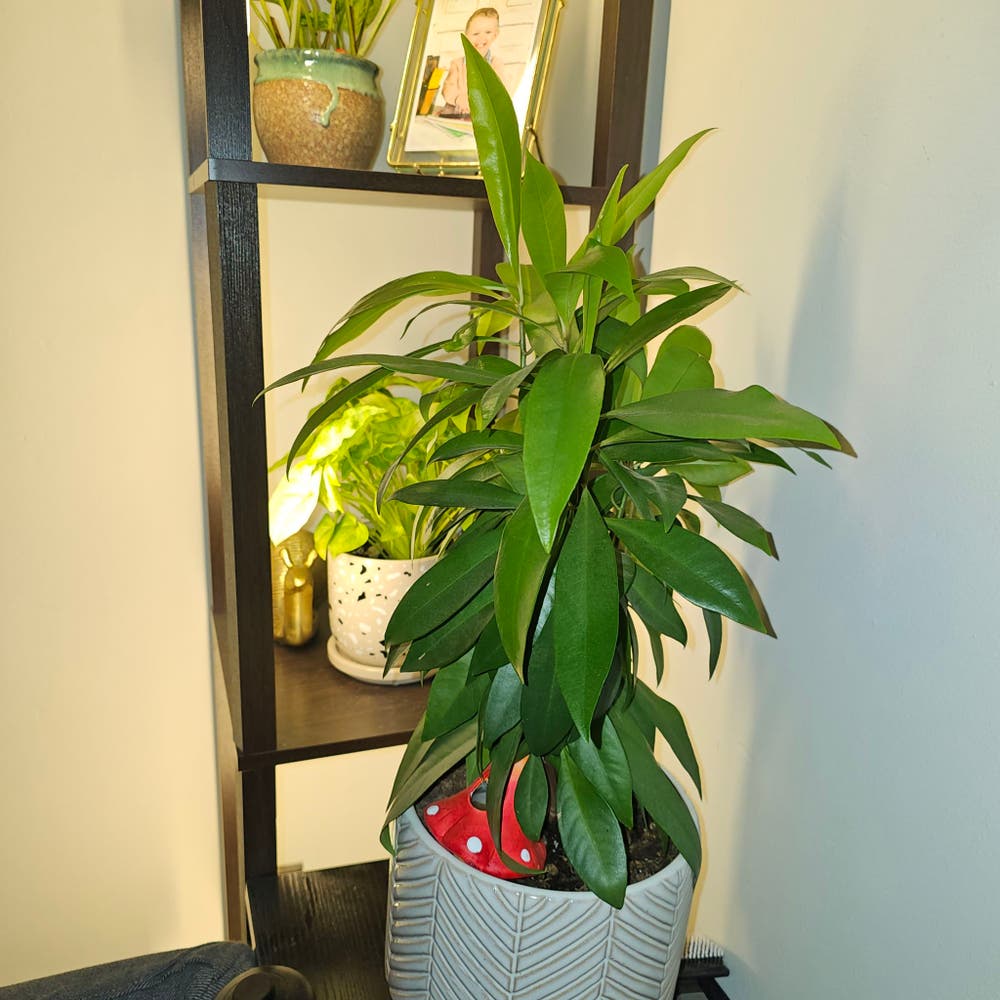
👟 Best Tips for Dropping Leaves on Shoebutton Ardisia
Ardisia elliptica
By the Greg Editorial Team
Sep 29, 2024•6 min read
This article was created with the help of AI so we can cover more plants for you. May contain errors. See one? Report it here.
Transform your Shoebutton Ardisia into a thriving beauty 🌱 by mastering essential tips to prevent leaf drop!
- 💧 Overwatering and underwatering both cause leaf drop; balance is key!
- 🌡️ Maintain 65°F to 80°F temperature and 50%-70% humidity for optimal health.
- 🐛 Regular pest inspections prevent damage; use neem oil for organic control.
Causes of Leaf Drop
💧 Overwatering and Its Effects
Overwatering is a common issue for Shoebutton Ardisia, often leading to yellowing leaves and wilting, even when the soil is wet. Root rot can develop, severely impacting the plant's health.
The excess water reduces oxygen availability to the roots, making the plant more susceptible to diseases. This can create a vicious cycle of decline if not addressed promptly.
🚰 Underwatering and Its Effects
On the flip side, underwatering can also cause significant problems. Symptoms include crispy, brown leaf edges and drooping leaves, with soil pulling away from the pot edges.
This stress can stunt growth and ultimately lead to leaf drop. It's crucial to find a balance in watering to keep your plant thriving.
🐛 Pest Infestations
Pests can wreak havoc on your Shoebutton Ardisia. Common culprits include spider mites, which leave webbing and stippled leaves, and mealybugs, identifiable by their white, cotton-like masses.
These pests suck sap from the plant, leading to nutrient deficiencies and increased vulnerability to diseases. Regular inspections can help catch these infestations early.
🌡️ Environmental Stress Factors
🌡️ Temperature
Maintaining the right temperature is vital for your plant's health. The ideal range is between 65°F to 80°F (18°C to 27°C).
Fluctuations outside this range can cause leaf drop, whether from cold drafts or heat stress. Keeping your plant in a stable environment is key.
💨 Humidity
Humidity is another critical factor, with optimal levels between 50% to 70%. Low humidity can lead to leaf curling, browning, and increased leaf drop.
Consider using a humidifier or grouping plants together to maintain adequate moisture levels in the air.
🥦 Nutrient Deficiencies
Nutrient deficiencies can also contribute to leaf drop. Common issues include a lack of nitrogen, which causes yellowing leaves, and magnesium deficiency, leading to interveinal chlorosis.
These deficiencies weaken the plant, making it more prone to dropping leaves. Regular fertilization can help prevent these problems and keep your plant healthy.
Understanding these causes is essential for maintaining a healthy Shoebutton Ardisia. By addressing these factors, you can prevent leaf drop and ensure your plant thrives. Next, we'll explore how to diagnose leaf drop issues effectively.
Diagnosing Leaf Drop Issues
🌊 Identifying Symptoms of Overwatering
Overwatering can be a sneaky culprit behind leaf drop. Look for yellowing leaves and mushy stems, which are clear visual cues that your plant is drowning.
To confirm, check the soil. If it feels consistently wet or soggy, it’s time to reassess your watering habits.
💧 Recognizing Signs of Underwatering
On the flip side, underwatering can also lead to distress. Watch for dry, crispy leaf edges and drooping leaves, which signal that your plant is thirsty.
A quick soil check can help. If the soil is dry and compacted, it’s a sign that your plant needs a drink.
🐛 Checking for Pests and Diseases
Pests can wreak havoc on your Shoebutton Ardisia. Inspect the leaves and stems for visible pests, like spider mites or mealybugs.
Additionally, look for signs of disease, such as spots or mold. Early detection is key to preventing further damage.
🌡️ Assessing Environmental Conditions
Environmental factors play a significant role in plant health. Start by checking the temperature; use a thermometer to ensure it stays within the ideal range of 65°F to 80°F (18°C to 27°C).
Next, measure humidity levels with a hygrometer. Your plant thrives in humidity between 50% to 70%. Lastly, ensure it receives adequate light exposure—bright, indirect light for 6-8 hours daily is optimal.
By diagnosing these issues early, you can take proactive steps to keep your Shoebutton Ardisia healthy and thriving. Now, let’s explore how to prevent leaf drop in the first place.
Preventing Leaf Drop
💧 Proper Watering Techniques
Watering your Shoebutton Ardisia correctly is crucial. Allow the top 1-2 inches of soil to dry out between waterings to prevent overwatering.
When you do water, ensure you do so thoroughly until it drains from the bottom. This technique promotes healthy root growth and prevents waterlogging.
🌱 Ideal Soil Conditions and Drainage
The right soil can make all the difference. Use a well-draining potting mix enriched with organic matter for optimal growth.
Additionally, ensure your pots have drainage holes. This prevents water from accumulating and causing root rot.
🌬️ Maintaining Optimal Humidity Levels
Humidity plays a significant role in plant health. Aim for humidity levels between 50% to 70% for your Shoebutton Ardisia.
To increase humidity, consider using a humidifier, grouping plants together, or placing a tray of water near the plant. These methods create a more favorable environment.
☀️ Providing Adequate Light Conditions
Light is essential for vibrant leaves. Your plant thrives in bright, indirect sunlight for 6-8 hours daily.
If you notice leaves dropping, it might be time to adjust the plant's placement. Moving it to a brighter location can help restore its health.
🌿 Fertilization Practices
Regular fertilization supports growth and vitality. Aim to fertilize monthly during the growing season.
Use a balanced, water-soluble fertilizer, such as NPK 10-10-10. This ensures your plant receives the nutrients it needs to flourish.
By implementing these preventive measures, you can significantly reduce the chances of leaf drop in your Shoebutton Ardisia. Next, let’s explore how to diagnose leaf drop issues effectively.
Treating Leaf Drop Problems
🚰 Steps for Overwatered Plants
Overwatering can be a serious issue for your Shoebutton Ardisia. Start by removing the plant from its pot to assess the situation.
Inspect the roots for any signs of rot. Trim away any affected areas to promote healthy growth.
Next, repot the plant in fresh, dry soil to ensure proper drainage. Finally, adjust your watering schedule to prevent future issues.
💧 Remedies for Underwatered Plants
Underwatering can also lead to leaf drop, but it’s easier to fix. Begin by soaking the plant in water for about 30 minutes.
After soaking, allow any excess water to drain out. Keep a close eye on soil moisture levels moving forward to maintain a healthy balance.
🐛 Pest Control Methods
Pests can wreak havoc on your plant’s health. For organic solutions, consider using neem oil or insecticidal soap to combat infestations.
If necessary, chemical options are available, but always follow the label instructions for safe application.
🌡️ Adjusting Environmental Conditions
Environmental factors play a crucial role in plant health. If temperature fluctuations are an issue, move your plant to a more stable environment.
Additionally, increasing humidity can help alleviate stress. Use the methods mentioned earlier to create a more favorable atmosphere for your Shoebutton Ardisia.
By addressing these leaf drop problems, you can help your plant thrive and enjoy its lush foliage once again. Next, let’s explore how to prevent these issues from arising in the first place.
⚠️ Safety First
This content is for general information and may contain errors, omissions, or outdated details. It is not medical, veterinary advice, or an endorsement of therapeutic claims.
Always consult a qualified healthcare professional before using any plant as food, medicine, or supplement.
Never eat any plant (or feed one to pets) without confirming its identity with at least two trusted sources.
If you suspect poisoning, call Poison Control (800) 222-1222, the Pet Poison Helpline (800) 213-6680, or your local emergency service immediately.
Spotted an error? Please report it here.
Keep your Shoebutton Ardisia thriving 🌿 by using Greg's tailored watering reminders and expert tips to prevent leaf drop and ensure vibrant growth!