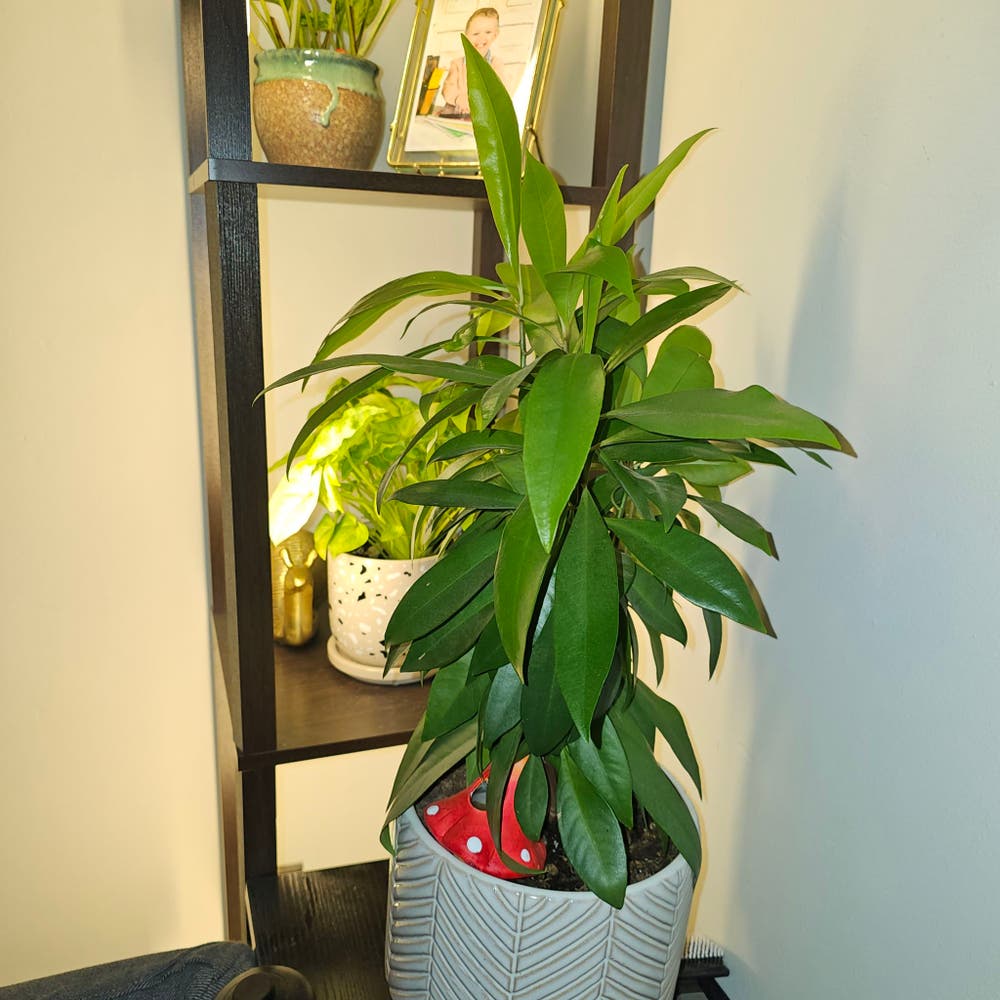
How to Cure Brown Spots on Your Shoebutton Ardisia 🩹
Ardisia elliptica
By the Greg Editorial Team
Sep 29, 2024•5 min read
This article was created with the help of AI so we can cover more plants for you. May contain errors. See one? Report it here.
Revive your Shoebutton Ardisia by quickly diagnosing and treating those pesky brown spots! 🌿
- 🌧️ Brown spots arise from overwatering, underwatering, pests, or nutrient deficiencies.
- 🌱 Regular inspections and proper care prevent and treat brown spots effectively.
- 💧 Maintain ideal humidity and drainage for healthy Shoebutton Ardisia growth.
Causes of Brown Spots
💧 Overwatering and Root Rot
Overwatering is a common issue that can lead to brown spots on your Shoebutton Ardisia. Symptoms include yellowing leaves, mushy roots, and, of course, those pesky brown spots.
Root rot occurs when fungal infections thrive in waterlogged soil. This is why ensuring proper soil drainage is crucial; well-draining soil prevents excess moisture accumulation that can harm your plant.
🚰 Underwatering and Leaf Stress
On the flip side, underwatering can also cause brown spots. Signs include crispy leaf edges, drooping leaves, and brown spots that signal your plant is in distress.
Insufficient water leads to dehydration, resulting in discoloration. To keep your plant healthy, check soil moisture weekly and water when the top inch is dry.
🍄 Fungal Infections
Fungal infections are another culprit behind brown spots. Common leaf spot diseases manifest as brown spots, often thriving in high humidity and poor air circulation.
Prompt identification is key. Early treatment can prevent the spread of these infections, saving your plant from further damage.
🕷️ Pest Infestations
🕸️ Spider Mites
Spider mites can wreak havoc on your Shoebutton Ardisia. Look for fine webbing and stippled leaves as telltale signs of their presence.
These pests weaken the plant, leading to brown spots. To control them, increase humidity and consider using insecticidal soap.
🐜 Aphids
Aphids are another pest to watch out for. Signs of their presence include sticky residue and curled leaves, indicating they’re sucking the nutrients from your plant.
Their damage can lead to nutrient depletion, resulting in leaf discoloration. Control methods include introducing beneficial insects or using neem oil for a more natural approach.
🥦 Nutrient Deficiencies
🍌 Potassium Deficiency
Potassium deficiency can manifest as marginal leaf browning and necrosis. This nutrient is essential for overall plant health and vigor.
To combat this deficiency, ensure your plant receives adequate potassium through balanced fertilization.
🌱 Magnesium Deficiency
Magnesium deficiency often presents as interveinal chlorosis, leading to brown spots. The solution is straightforward: use a balanced fertilizer to replenish nutrients and restore your plant's health.
Understanding these causes is the first step toward treating and preventing brown spots on your Shoebutton Ardisia. Next, we’ll explore how to diagnose these issues effectively.
Diagnosing Brown Spots
Identifying Symptoms 🌿
When diagnosing brown spots on your Shoebutton Ardisia, start by observing visual cues. Differentiate between yellowing, browning, and spotting to pinpoint the issue.
Regular leaf inspection is crucial. Check both sides of the leaves for pests and signs of fungal growth, as these can significantly affect plant health.
Differentiating Between Causes 🐛
Next, distinguish between pests and diseases. Look for webbing or sticky residue to identify pests; fungal infections typically present as brown spots.
Environmental factors also play a role. Assess light and humidity levels, as these can greatly influence your plant's overall well-being.
Assessing Environmental Factors ☀️
Understanding light requirements is essential. Shoebutton Ardisia thrives in indirect light; direct sunlight can lead to leaf burn.
Humidity is another critical factor. Aim for ideal humidity levels between 50-70% to prevent stress and promote healthy growth.
By carefully diagnosing the symptoms and environmental conditions, you can take informed steps toward restoring your plant's vitality. Next, let’s explore effective treatment options to address these brown spots.
Treatment Options
Adjusting Watering Practices 🌊
To keep your Shoebutton Ardisia healthy, start by checking soil moisture weekly. Water thoroughly until excess drains out, then allow the top inch of soil to dry before re-watering.
Applying Fungicides for Fungal Infections 🦠
Fungal infections can be a real threat. Use systemic or contact fungicides, applying them at the first signs of infection for the best results.
Natural Pest Control Methods 🐞
For pest control, neem oil is a safe and effective option against various pests. Insecticidal soap can also be used to target soft-bodied insects without harming your plant.
Fertilization Strategies to Address Deficiencies 🌱
To combat nutrient deficiencies, apply a balanced fertilizer every 4-6 weeks during the growing season. Keep an eye on your plant's symptoms to adjust nutrient levels as needed.
Pruning Affected Leaves ✂️
When you notice significant damage, it’s time to prune. Use clean, sharp pruning shears to remove affected leaves, which helps prevent further infection.
By following these treatment options, you can effectively manage brown spots on your Shoebutton Ardisia and promote a healthier plant. Next, let’s explore preventive measures to keep your plant thriving long-term.
Preventive Measures
Ideal Growing Conditions 🌡️
To keep your Shoebutton Ardisia thriving, maintain a temperature range between 65°F to 80°F (18°C to 27°C). This temperature zone promotes healthy growth and minimizes stress.
Humidity is equally crucial. Use a humidifier or place pebble trays filled with water near your plant to maintain optimal moisture levels.
Regular Monitoring for Pests and Diseases 🔍
Weekly inspections are key. Look for any signs of pests or diseases, such as discoloration or unusual spots.
Early detection is vital. Catching issues before they escalate can save your plant from larger infestations or infections.
Proper Watering Techniques 💧
Establish a consistent watering schedule based on your plant's needs. Regular checks will help you determine when it's time to water.
Don't underestimate the importance of drainage. Ensure your pots have drainage holes to prevent root rot and keep your plant healthy.
Soil Selection and Drainage Tips 🪴
Choose a well-draining potting mix for your Shoebutton Ardisia. This type of soil helps prevent waterlogging, which can lead to root issues.
Incorporate perlite or sand into your soil mix to improve aeration. Good drainage is essential for a thriving plant.
Seasonal Care Adjustments 🍂
As seasons change, so should your care routine. In winter, reduce watering frequency and keep an eye out for pests that may invade indoors.
Adjusting light exposure is also important. Move your plants to brighter spots during shorter days to ensure they receive adequate light.
By implementing these preventive measures, you can create a nurturing environment for your Shoebutton Ardisia, helping it flourish and stay free from brown spots. Next, let’s explore how to effectively diagnose brown spots when they do appear.
⚠️ Safety First
This content is for general information and may contain errors, omissions, or outdated details. It is not medical, veterinary advice, or an endorsement of therapeutic claims.
Always consult a qualified healthcare professional before using any plant as food, medicine, or supplement.
Never eat any plant (or feed one to pets) without confirming its identity with at least two trusted sources.
If you suspect poisoning, call Poison Control (800) 222-1222, the Pet Poison Helpline (800) 213-6680, or your local emergency service immediately.
Spotted an error? Please report it here.
Transform your Shoebutton Ardisia into a spotless beauty 🌿 with Greg's tailored watering alerts and pest control tips that keep your plant thriving!