10 Advantages of Having a Coralberry
Ardisia elliptica
By the Greg Editorial Team
Jun 17, 2024•4 min read
This article was created with the help of AI so we can cover more plants for you. May contain errors. See one? Report it here.
Transform your garden into a wildlife sanctuary 🐦 with Coralberry's year-round, vibrant charm.
- Year-round garden charm with vibrant berries and bell-shaped flowers.
- Wildlife sanctuary for birds and beneficial insects, enhancing biodiversity.
- Erosion control hero, thriving in droughts and supporting ecosystems.
A Splash of Color in Your Garden
🍇 Vibrant Ornamental Berries
The Coralberry, known scientifically as Symphoricarpos orbiculatus, is not your average shrub. Vibrant coral-colored berries steal the show in the fall and hold their ground well into the winter months. These ornamental jewels transform gardens into a visual feast, ensuring that your landscape never succumbs to the dullness of colder seasons.
🌸 Seasonal Interest
From the delicate bell-shaped flowers that herald spring to the persistent berries that offer a pop of color when most plants have retreated, Coralberry is a year-round spectacle. It's a plant that refuses to fade into the background, providing a continuous display of allure through every season.

Nature's Guests: Wildlife Attraction
🐦 Feathered Friends and More
Coralberry's berries are bird magnets. Songbirds can't seem to resist the colorful bounty, making this shrub a hotspot for avian activity. Not just a feast for the eyes, but a feast for the birds too.
The shrub's flowers are like a singles bar for bees and butterflies, buzzing with pollinator traffic. Beneficial insects thrive here, ensuring your garden's pollination game is strong.
🌿 Biodiversity Booster
Coralberry doesn't just attract wildlife; it's a full-on ecosystem engineer. Its dense foliage offers shelter for nesting and refuge from predators, creating a safe haven for a variety of garden critters.
By inviting such a diversity of life, Coralberry turns your garden into a wildlife sanctuary. It's not just growing a plant; you're curating a community.

The Ground's Guardian: Erosion Control
🌿 Soil Stabilizer
Coralberry isn't just easy on the eyes; it's tough on erosion. Its dense growth habit and spreading roots lock soil in place like nature's own Velcro. Whether it's a gentle slope or a bank that's seen better days, planting Coralberry is like enlisting a small army to hold down the fort.
🏞️ Slope Savior
On hilly terrain, Coralberry shines as a hero. It doesn't just cope with challenging landscapes; it thrives, providing a living barrier against the forces that wash soil away. Think of it as the garden equivalent of a superhero, cape and all, safeguarding your soil from erosion's dastardly deeds.

Resilience in the Face of Adversity
🏜️ Drought Tolerance
Coralberry doesn't just survive; it thrives with minimal water. Its roots dig deep into the resilience playbook, making it a standout in drought-prone gardens.
🌱 Native Plant Perks
Eco-friendly gardeners, rejoice! Coralberry is a native plant, which means it's in tune with local ecosystems. It's not just about looking pretty; it's about giving back to nature and supporting local wildlife.
A Plant with a Past: Cultural and Medicinal Significance
💊 Stories and Healing
Coralberry, known scientifically as Symphoricarpos orbiculatus, isn't just another pretty shrub. It's a plant steeped in Native American heritage, with its berries once serving as both food and medicine. Indigenous groups valued it for its healing properties, using it to treat ailments from coughs to menstrual disorders. The roots, particularly potent, were remedies for tonsillitis, earaches, and even to stimulate blood circulation. It's not just folklore; these practices highlight a deep understanding of the plant's medicinal potential.
🎨 Symbols and Sentiments
Beyond its healing prowess, Coralberry carries a bouquet of symbolism. It's been a part of ceremonies and rituals, likely due to its vibrant presence and the life-sustaining properties attributed to it. The plant also lent its color to textiles and basketry, making it a staple in cultural expressions. While it might not scream for attention like some flashier flora, Coralberry has quietly woven itself into the fabric of the communities that used it. It's a testament to the plant's resilience and the respect it garnered through the ages.
Unique Aesthetic Appeal
🌿 Whimsical Growth and Delicate Blooms
The Coralberry stands out with its whimsical growth patterns and delicate blooms. Its ornamental value is undeniable, bringing a unique aesthetic appeal to any garden setting.
🧚 The Enchanting Presence of Coralberry
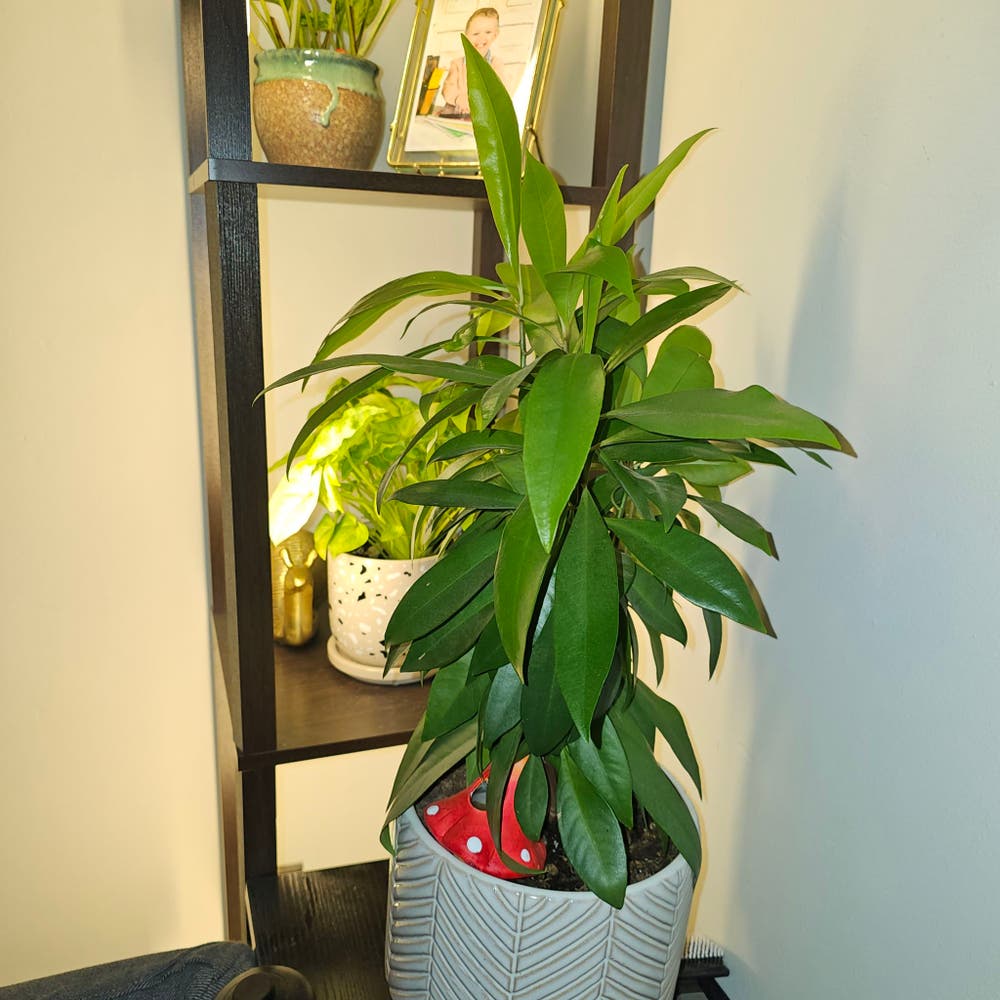
Coralberry's growth habit is a visual treat. Flexible twigs arc gracefully, adorned with narrow, dark green leaves that create a lush backdrop for the plant's true showstoppers: its flowers and berries.
🌸 Spring Blooms to Winter Berries
In spring, bell-shaped flowers in shades of pink emerge, hinting at the forthcoming spectacle. As the seasons change, these blooms give way to the plant's signature coral-colored berries. The berries cling to the branches into winter, offering a pop of color when the rest of the garden has succumbed to the cold.
🌳 A Living Sculpture
Coralberry's form and foliage make it a living sculpture in the landscape. It's a plant that doesn't just grow; it performs, transforming spaces with its year-round visual interest.
💅 Low-Maintenance Beauty
Beyond its striking appearance, Coralberry is a low-maintenance charmer. Once established, it asks little but gives much, proving that beauty need not be high-maintenance. It's a testament to the effortless charm nature can bestow upon our gardens.
⚠️ Safety First
This content is for general information and may contain errors, omissions, or outdated details. It is not medical, veterinary advice, or an endorsement of therapeutic claims.
Always consult a qualified healthcare professional before using any plant as food, medicine, or supplement.
Never eat any plant (or feed one to pets) without confirming its identity with at least two trusted sources.
If you suspect poisoning, call Poison Control (800) 222-1222, the Pet Poison Helpline (800) 213-6680, or your local emergency service immediately.
Spotted an error? Please report it here.
Embrace the wildlife oasis 🐦 your garden can become with Coralberry and let Greg provide the perfect care reminders to keep it thriving effortlessly.