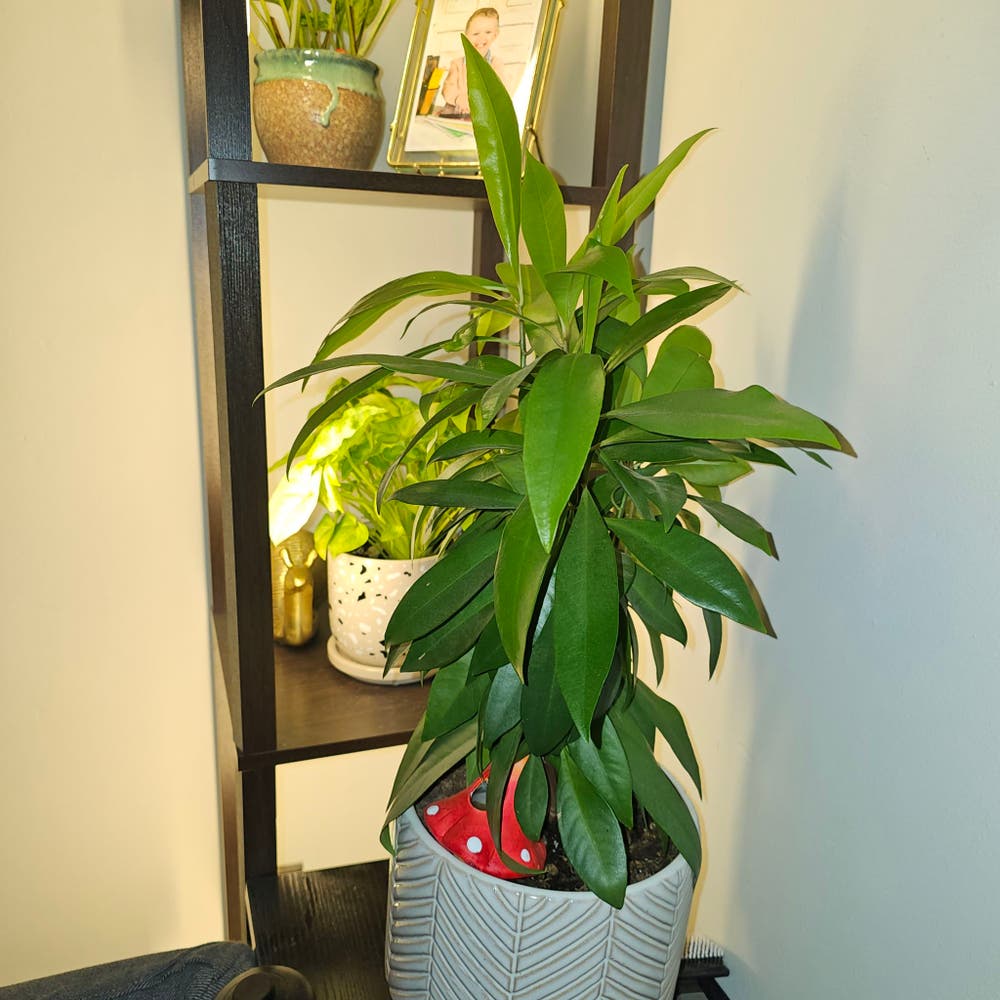
Why Are My Shoebutton Leaves Mushy?
Ardisia elliptica
By the Greg Editorial Team
Jun 17, 2024•3 min read
This article was created with the help of AI so we can cover more plants for you. May contain errors. See one? Report it here.
Rescue your Shoebutton's leaves from mushy doom 🍂 and restore plant perfection with these proven fixes!
- Overwatering leads to mushiness, adjust your watering routine.
- 🍄 Fungal infections and poor drainage can cause mushy leaves.
- Prevent with smart watering, airflow, and regular soil checks.
Spotting the Trouble: Signs of Mushy Leaves
🚨 Visual Symptoms
Leaves turning a faded green, yellow, or brown scream trouble. Discoloration is a glaring sign that your Shoebutton is in distress. Splotchy leaves or a dark perimeter are the plant's SOS—rot could be setting in.
🖐 Tactile Clues
Time to get hands-on. If your Shoebutton's leaves feel like overcooked veggies, it's intervention time. A leaf that yields to gentle pressure rather than snapping back is a clear cry for help.

The Usual Suspects: Common Causes of Mushiness
💦 Overwatering Woes
Overwatering is like giving your plants an unwanted bath. It's the top reason your Shoebutton leaves are turning to mush. If the soil feels like a wet sponge and the pot weighs a ton, you've gone overboard with the H2O.
🍄 Fungal Foes
Fungi are the stealthy saboteurs of the plant world. Powdery mildew and anthracnose are the usual suspects, leaving a trail of white or dark lesions. These fungi love a good, damp party in the soil, so if you're keeping it wet, you're basically sending out invites.
🚱 Drainage Disasters
Poor drainage is like a broken toilet for plants – it just keeps everything too wet. If your pot's lacking proper drainage holes, you're setting up your Shoebutton for a mushy downfall. Quick tip: your plant's roots shouldn't be swimming.

Turning Things Around: Remedies for Mushy Leaves
💧 Watering Wisdom
Fine-tuning your watering routine is crucial. Overwatering is often the culprit behind mushy leaves. The goal is to keep the soil moist but not soggy. Tools like moisture meters can be lifesavers, or you can rely on the classic finger test—only water when the top inch of soil feels dry.
🍄 Fungicide to the Rescue
Fungal infections can turn robust leaves into mushy messes. Copper-based fungicides are effective, but always read the label to avoid mishaps. For the organic gardener, consider beneficial fungi like Trichoderma, which can help protect your plant without harsh chemicals.
🌱 Soil Solutions
Amending your soil is like upgrading your plant's home. Mix in perlite or coarse sand to improve drainage and prevent waterlogging. If your plant's roots are suffocating, it's time to repot. Choose a pot with ample drainage holes and fresh, well-draining soil to give your plant a new lease on life.
🚑 Immediate Actions to Salvage Mushy Leaves
If you've caught the issue early, trim away any mushy roots and affected leaves. Add a layer of pebbles at the bottom of the pot for a mini drainage boost. After these steps, keep a watchful eye on your plant, adjusting care as needed to ensure recovery.

Keeping It Right: Prevention Tips
💧 Smart Watering Schedules
Craft a watering calendar that's in sync with your Shoebutton's thirst levels. Adjust for seasonal changes; your plant's water needs in the balmy days of summer will differ from the chill of winter. Remember, overwatering invites mush, so keep it balanced.
💨 Airflow and Your Plant
Position your Shoebutton where it can bask in the glory of good air circulation. This isn't just about giving your plant room to breathe; it's about thwarting the fungal party crashers before they even get an invite.
🔍 Regular Root and Soil Check-Ups
Make it a habit to dive into the dirt for soil and root inspections. Don't be afraid to get your hands dirty—this is where you'll catch early signs of distress. If the roots are looking like they've seen better days, it's time to take action.
⚠️ Safety First
This content is for general information and may contain errors, omissions, or outdated details. It is not medical, veterinary advice, or an endorsement of therapeutic claims.
Always consult a qualified healthcare professional before using any plant as food, medicine, or supplement.
Never eat any plant (or feed one to pets) without confirming its identity with at least two trusted sources.
If you suspect poisoning, call Poison Control (800) 222-1222, the Pet Poison Helpline (800) 213-6680, or your local emergency service immediately.
Spotted an error? Please report it here.
Keep your Shoebutton plant's leaves firm and perky 🌿 with Greg's custom watering reminders, ensuring just the right moisture balance to avoid those mushy leaf woes.