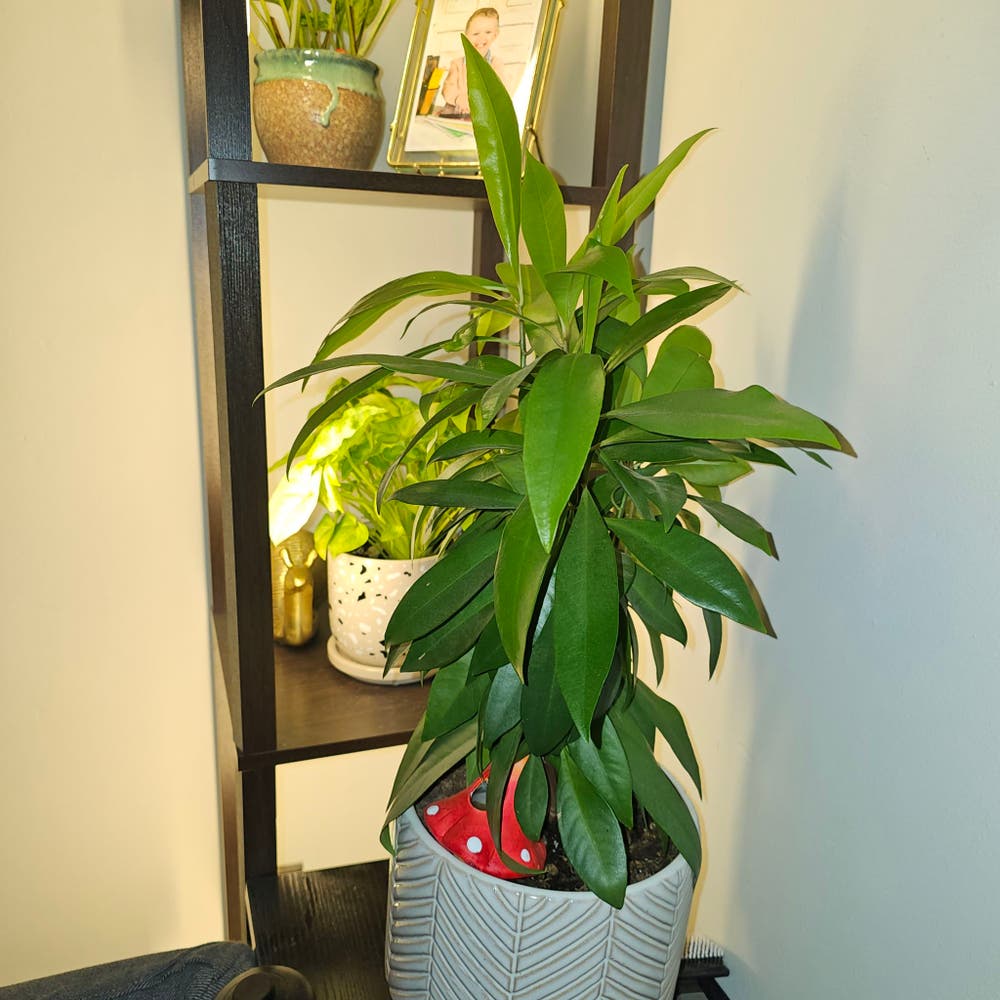
Propagating My Coralberry: Step-by-Step Guide
Ardisia elliptica
By the Greg Editorial Team
Jun 17, 2024•4 min read
This article was created with the help of AI so we can cover more plants for you. May contain errors. See one? Report it here.
Propagate your Coralberry 🌿 effortlessly with this fail-proof, step-by-step guide to lush growth!
- Spring/early summer best for robust, disease-free stem cuttings.
- 🌱 Rooting hormone speeds up growth, but honey or cinnamon work too.
- High humidity, indirect light for cuttings; chill seeds before sowing.
Snip & Dip: Preparing Stem Cuttings
🌱 Selecting the Perfect Stem
To propagate Coralberry, vigor is key. Seek out stems that are robust, green, and free from any signs of disease or damage. The optimal time for taking cuttings is during the plant's growth phase, typically in spring or early summer.
✂️ Making the Cut
Sterilize your tools first; cleanliness is non-negotiable. Aim for a 4-6 inch cutting, snipping just below a node—this is where roots will eagerly emerge. Ensure the stem has a few leaves at the top but remove any lower ones to prevent potential rot.
🌱 Rooting Hormone Magic
Rooting hormone isn't mandatory, but it's like a growth turbocharger. Dip the cut end into the hormone before planting to encourage quicker root development. If you're going au naturel, honey or cinnamon can be alternative rooting friends, though they're more old wives' tales than scientific fact.

Planting Your Future Coralberry
💧 Soil and Pot Selection
Selecting the right soil mix is crucial for your Coralberry cuttings. Aim for a well-draining potting mix that retains moisture without becoming waterlogged. A blend with peat and perlite, or a premium potting soil like PRO-MIX, can provide the perfect balance. For containers, ensure they have adequate drainage holes. Lining the bottom with porous fabric can prevent soil from clogging these holes.
🌱 The Planting Process
Planting your Coralberry cuttings is straightforward. First, sterilize your pots with a bleach solution to prevent contamination. Fill each pot with your chosen soil mix, and make a hole in the center. Insert the cutting halfway into the soil, ensuring that at least two nodes are buried where roots will form. Firm the soil around the stem to support it. Water the cutting thoroughly after planting.
🌿 Creating the Ideal Environment
Creating the right environment is key for rooting success. Keep the humidity high; using a plastic cover can help maintain moisture levels. The ideal temperature range is around 68°F (20°C). Place your cuttings in a spot with bright, indirect light to avoid scorching the tender new growth. Remember, consistent care is the secret sauce to a thriving Coralberry.

The Seed Route: A Different Approach
👩🌾 Harvesting Seeds with Care
Harvesting Coralberry seeds requires timing and technique. Wait for the fruit to mature and shrivel, a clear sign they're ripe for the picking. Don protective gloves, slice the fruit open, and extract the seeds. Rinse them well to remove any clinging pulp, then let them dry in a warm spot. Remember, patience is a virtue here; these seeds aren't in a rush.
🌱 Germination Game Plan
Before sowing, Coralberry seeds may need a chill period, mimicking winter's embrace. Store them in the refrigerator, between 33-38°F. When you're ready, bring them out to room temperature. Sow them on the surface of a well-draining soil mix, as they need light to kickstart germination. Keep the soil moist but not soggy; think of it as a tropical vacation for seeds.
🌱 From Seed to Seedling
Once you've sown your seeds, the waiting game begins. Monitor moisture levels and keep them in a spot with indirect light. Germination can be a slow dance, so don't fret if sprouts don't show up overnight. When seedlings do emerge, they're like newborns—handle with care. Transplant them only when they're sturdy enough to brave the journey to their new pot or garden space. Keep an eye out for common threats like damping off, and celebrate every new leaf as a victory.

Nurturing New Growth
🌱 The First Few Weeks
During the initial stages of rooting and germination, patience is key. Expect a slow start; Coralberry cuttings and seeds won't hurry into growth. Roots may take several weeks to develop, and it's normal for there to be no visible activity above soil. Maintain consistent moisture and keep an eye out for the subtle emergence of new shoots, indicating that your efforts are paying off.
🌿 Transitioning to the Garden
Knowing when to move your Coralberry outdoors is more art than science. Acclimatization is crucial; start by gradually introducing your plants to outside conditions. Begin with a shaded area, then slowly increase their sun exposure. This process should span over a few weeks, mimicking the gentle progression of spring. Only consider transplanting once the roots have filled their pots and the plants have been hardened off, ready to face the elements.
⚠️ Safety First
This content is for general information and may contain errors, omissions, or outdated details. It is not medical, veterinary advice, or an endorsement of therapeutic claims.
Always consult a qualified healthcare professional before using any plant as food, medicine, or supplement.
Never eat any plant (or feed one to pets) without confirming its identity with at least two trusted sources.
If you suspect poisoning, call Poison Control (800) 222-1222, the Pet Poison Helpline (800) 213-6680, or your local emergency service immediately.
Spotted an error? Please report it here.
Propagate your Coralberry effortlessly 🌿 with Greg's custom reminders for optimal moisture and light, turning these detailed steps into thriving plants!