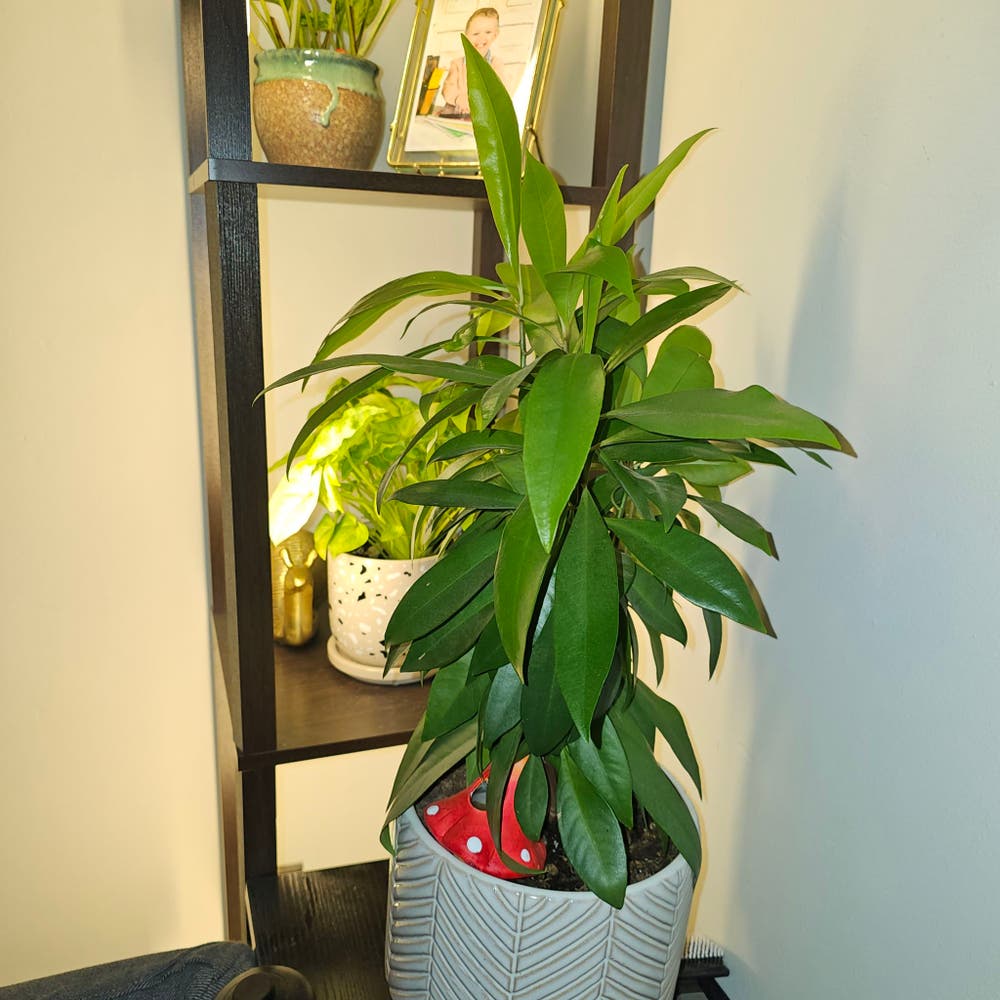
🍇 How to Fix Dropping Leaves on Your Coralberry
Ardisia elliptica
By the Greg Editorial Team
Oct 18, 2024•5 min read
This article was created with the help of AI so we can cover more plants for you. May contain errors. See one? Report it here.
Keep your Coralberry lush and vibrant 🌿 by mastering simple care tips to prevent leaf drop!
- 🌡️ Extreme temperatures and wind can cause Coralberry leaves to drop prematurely.
- 💧 Overwatering and underwatering lead to yellowing and wilting leaves; balance is key.
- 🐛 Pests and diseases threaten Coralberry health; regular inspections are essential for prevention.
Causes of Leaf Drop
🌬️ Environmental Stress Factors
Extreme temperatures can wreak havoc on your Coralberry. Frost can cause leaves to drop prematurely, while excessive heat can lead to wilting and leaf loss.
Wind exposure is another culprit. Strong winds can physically damage leaves, leading to unsightly drop and stress on the plant.
Sunlight levels also play a crucial role. Too much direct sunlight can scorch leaves, while insufficient light can weaken the plant, resulting in leaf drop.
💧 Overwatering and Underwatering
Overwatering is a common issue for Coralberry owners. Look for signs like yellowing leaves and mushy roots, which indicate that the plant is drowning.
On the flip side, underwatering can also cause problems. Wilting leaves and dry soil are clear signs that your Coralberry needs a drink.
Maintaining consistent moisture levels is vital for Coralberry health. Aim for a balanced watering routine to keep your plant thriving.
🪴 Soil Quality and Drainage Issues
The ideal soil for Coralberry is well-drained, loamy soil. This type of soil allows for proper root development and moisture retention.
Symptoms of poor drainage include water pooling around the base of the plant and root rot. These issues can lead to significant leaf drop if not addressed.
Testing soil drainage is simple. You can perform a quick drainage test by digging a hole and filling it with water to see how quickly it drains.
🐛 Pest Infestations Affecting Leaves
Common pests like aphids and spider mites can significantly impact your Coralberry. These pests suck the sap from leaves, leading to discoloration and eventual drop.
Symptoms of pest damage include discolored leaves, webbing, and noticeable leaf drop. Keeping an eye out for these signs can help you catch infestations early.
Identification methods involve visual inspections and setting traps. Regular checks can save your plant from severe damage.
🦠 Diseases That Cause Leaf Drop
Root rot and powdery mildew are two common diseases affecting Coralberry. Both can lead to significant leaf drop if not treated promptly.
Conditions that favor these diseases often include overwatering and poor air circulation. Ensuring good airflow and proper watering can help prevent these issues.
Prevention strategies include proper care and monitoring. Regularly inspect your plant to catch any signs of disease early, ensuring a healthy Coralberry.
Understanding these causes of leaf drop is the first step in addressing the issue effectively. Next, we’ll explore how to diagnose these problems accurately.
Diagnosing Leaf Drop Issues
Identifying Symptoms of Leaf Drop 🌿
Recognizing the signs of leaf drop is crucial for addressing the problem effectively. Look for visual cues like leaf color changes, wilting, and premature leaf fall.
Timing also plays a significant role. Seasonal patterns can indicate whether the leaf drop is a natural process or a sign of distress.
Assessing Environmental Conditions 🌤️
Next, evaluate the environmental conditions surrounding your Coralberry. Temperature and humidity levels can greatly impact plant health.
Additionally, check the sunlight exposure. Is your plant basking in full sun, or is it shaded? This can affect its overall vitality.
Checking for Pests and Diseases 🐛
A thorough inspection for pests is essential. Start with a step-by-step approach: examine the leaves and stems for any signs of infestation.
For diseases, familiarize yourself with common symptoms. Recognizing these patterns early can save your Coralberry from further damage.
Evaluating Watering Practices 💧
Watering frequency is another critical factor. How often should you be watering your Coralberry? Consistency is key.
Soil moisture testing can help you determine if your watering practices are on point. Techniques like the finger test can provide quick insights into moisture levels.
Analyzing Soil Conditions 🌱
Finally, analyze the soil conditions. Well-drained soil is vital for Coralberry health, so pay attention to its texture and composition.
Don’t forget about pH levels. The ideal range for Coralberry is between 6.0 and 7.5, which supports optimal growth and leaf retention.
By diagnosing these issues, you can take proactive steps to restore your Coralberry's health. Next, let’s explore effective solutions for leaf drop.
Solutions for Leaf Drop
🌊 Adjusting Watering Techniques
To keep your Coralberry thriving, establish a consistent watering schedule. Aim to water deeply once a week, adjusting based on rainfall and temperature.
Healthy leaves and moist soil are indicators of proper watering. If leaves look vibrant and the soil feels damp but not soggy, you’re on the right track.
🌱 Improving Soil Drainage
Enhancing soil drainage is crucial for Coralberry health. Consider adding organic matter like compost or using raised beds to promote better drainage.
Soil aeration is also vital. Aerate compacted soil by using a garden fork or aerator to allow air and water to penetrate effectively.
🐛 Treating Pest Infestations
Pest control is essential for preventing leaf drop. Organic methods like neem oil and insecticidal soap can effectively manage common pests.
If infestations persist, chemical treatments may be necessary. Use pesticides as a last resort, following application guidelines carefully to protect your plants.
🦠 Managing Diseases Effectively
Addressing diseases promptly can save your Coralberry. For root rot, consider soil amendments and fungicides to restore health.
Preventative measures are equally important. Crop rotation and planting resistant varieties can help keep diseases at bay.
✂️ Pruning Affected Areas
Pruning is a key step in recovery. The best time to prune is during the early spring, just before new growth begins.
Use sharp, clean tools to remove affected leaves and stems. This not only improves appearance but also encourages healthier growth.
By implementing these solutions, you can effectively combat leaf drop and ensure your Coralberry remains vibrant and healthy. Next, let’s explore how to diagnose leaf drop issues accurately.
⚠️ Safety First
This content is for general information and may contain errors, omissions, or outdated details. It is not medical, veterinary advice, or an endorsement of therapeutic claims.
Always consult a qualified healthcare professional before using any plant as food, medicine, or supplement.
Never eat any plant (or feed one to pets) without confirming its identity with at least two trusted sources.
If you suspect poisoning, call Poison Control (800) 222-1222, the Pet Poison Helpline (800) 213-6680, or your local emergency service immediately.
Spotted an error? Please report it here.
Keep your Coralberry vibrant and healthy 🌿 by using Greg's tailored watering reminders and pest alerts to tackle leaf drop head-on!