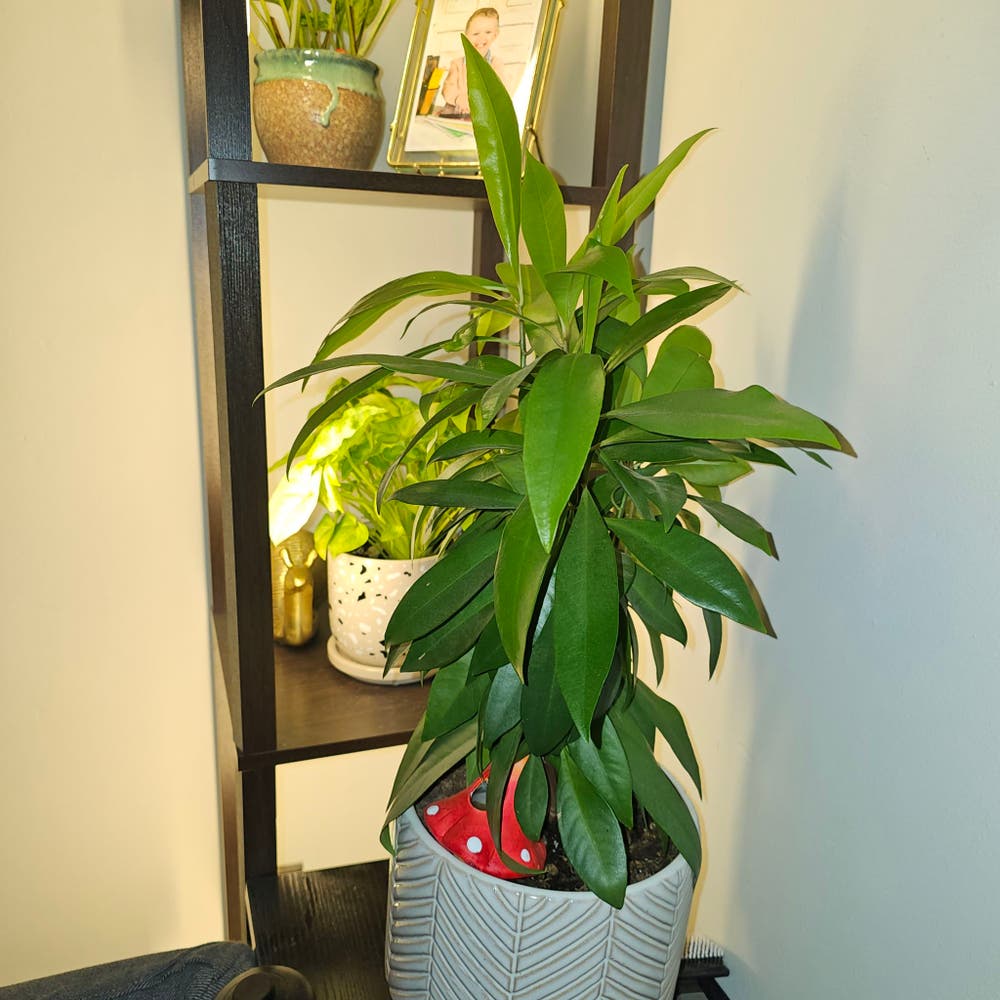
👟 Shoebutton Ardisia Care: Preventing and Treating Root Rot
Ardisia elliptica
By the Greg Editorial Team
Sep 29, 2024•6 min read
This article was created with the help of AI so we can cover more plants for you. May contain errors. See one? Report it here.
Prevent root rot 🌱 and ensure your Shoebutton Ardisia thrives with these essential care tips for vibrant growth!
- 💧 Prevent root rot by allowing top soil to dry before watering your Shoebutton Ardisia.
- 🌱 Use well-draining soil and pots with drainage holes for healthy roots.
- 🌡️ Maintain humidity between 50-70% and temperatures of 20°C to 30°C for optimal growth.
Preventing Root Rot
💧 Importance of Proper Watering Techniques
Proper watering is crucial for the health of your Shoebutton Ardisia. Allow the top inch of soil to dry out before watering to prevent excess moisture.
When you do water, ensure it’s thorough—water until it drains from the bottom. Keep an eye out for signs of overwatering, such as yellowing leaves and wilting, to catch issues early.
🪴 Choosing the Right Potting Mix
Selecting the right potting mix can make all the difference. Use a well-draining mix specifically designed for tropical plants.
Enhance drainage by incorporating perlite or coarse sand. Aim for a slightly acidic to neutral pH, ideally between 6.0 and 7.0, to create a healthy environment for your plant.
🚰 Ensuring Adequate Drainage
Adequate drainage is essential to prevent root rot. Choose pots with drainage holes to avoid water accumulation at the bottom.
After watering, always empty excess water from saucers. Regularly check the soil texture and aerate if it becomes compacted to promote healthy root growth.
🌦️ Environmental Factors Affecting Moisture Levels
Environmental conditions play a significant role in moisture levels. Maintain humidity between 50-70% to keep your Shoebutton Ardisia thriving.
Keep the plant in a warm environment, ideally between 20°C to 30°C (68°F to 86°F). Providing indirect light will also help prevent excessive moisture loss, ensuring your plant stays healthy and vibrant.
By following these preventive measures, you can significantly reduce the risk of root rot and promote a thriving Shoebutton Ardisia. Next, let’s explore how to diagnose root rot effectively.
Diagnosing Root Rot
👀 Visual Signs to Look For
Identifying root rot early can save your Shoebutton Ardisia. Look for leaf discoloration, such as yellowing or browning edges, which often indicates stress.
Another sign is stunted growth; if your plant isn't producing new leaves or is growing slowly, it may be struggling. Additionally, inspect the roots; dark, mushy roots are a clear warning sign of root rot.
🔍 Root Inspection Techniques
To diagnose root rot, start by removing the plant from its pot gently. This minimizes stress and allows for a thorough inspection.
Next, clean the roots by rinsing them under lukewarm water to remove any soil. This step is crucial for assessing root health effectively.
When examining the roots, look for healthy white roots that indicate vitality. In contrast, dark, mushy roots signal decay and require immediate attention.
🛠️ Tools Needed for Diagnosis
Having the right tools can make diagnosing root rot easier. Use clean pruning shears to cut away any affected roots, ensuring you don’t spread pathogens.
A magnifying glass can help you inspect for fungal growth or pests that may be contributing to the problem. Lastly, a moisture meter is invaluable for checking soil moisture levels accurately, helping you determine if overwatering is an issue.
By being vigilant and using these techniques, you can effectively diagnose root rot and take the necessary steps to save your plant. Next, let’s explore how to treat root rot once it’s diagnosed.
Treating Root Rot
Step-by-Step Treatment Process 🛠️
Treating root rot begins with careful inspection. First, remove the plant from its pot and examine the roots for any signs of damage.
Next, trim away all affected roots using clean shears. This step is crucial to prevent the spread of rot.
Disinfect your tools to avoid introducing pathogens. A simple wipe with rubbing alcohol will do the trick.
Finally, allow the roots to dry for a few hours before repotting. This helps to minimize moisture and encourages recovery.
Repotting Techniques for Affected Plants 🌱
When repotting, choose a new pot that is one size larger and has drainage holes. This ensures that excess water can escape, reducing the risk of future rot.
Use a fresh, well-draining potting mix to promote recovery. Look for mixes designed specifically for tropical plants.
Make sure to plant at the same depth as before. This helps the plant acclimate and thrive in its new environment.
Recommended Fungicides or Treatments 🧪
For organic options, consider using neem oil or a baking soda solution. These can effectively combat fungal issues without harsh chemicals.
If the situation is severe, chemical fungicides may be necessary. Always follow package instructions for safe application.
After initial treatment, reapply as needed based on the plant's response. Monitoring is key to ensuring recovery.
Aftercare Following Treatment 🌿
After treatment, adjust your watering schedule. Wait at least a week before watering again to allow the plant to stabilize.
Keep a close eye on the plant's recovery. Adjust care as needed based on its response to treatment.
Lastly, ensure that humidity and temperature levels are optimal. A stable environment will support your plant's healing process.
Transitioning to long-term care will help prevent recurrence and keep your Shoebutton Ardisia thriving.
Long-term Care to Prevent Recurrence
🌱 Regular Maintenance Tips
Routine inspections are essential for keeping your Shoebutton Ardisia healthy. Check for signs of stress or root issues at least once a month.
Pruning is another key practice. Remove any dead or yellowing leaves to encourage new growth and maintain the plant's vigor.
Fertilization plays a crucial role during the growing season. Use a balanced fertilizer to provide the necessary nutrients for optimal health.
🍂 Seasonal Care Adjustments
Adjusting your watering frequency is vital as seasons change. Increase watering during growth periods and reduce it during dormancy to match the plant's needs.
Light exposure is also important. Rotate your plant regularly to ensure it receives even light distribution, promoting balanced growth.
Humidity management can make a significant difference. During dry seasons, consider using a humidifier or a pebble tray to maintain adequate moisture levels.
💧 Monitoring Moisture Levels
Regular soil moisture checks are crucial for preventing root rot. Use a moisture meter or simply test with your finger to gauge the dryness of the soil.
Adjust your watering practices based on seasonal changes and the specific needs of your plant. This flexibility will help you maintain a healthy environment.
Keeping a care journal can be incredibly beneficial. Document your watering schedules and the plant's responses to track what works best for your Shoebutton Ardisia.
By implementing these long-term care strategies, you can significantly reduce the risk of root rot and ensure your plant thrives for years to come. Next, let’s explore how to diagnose root rot effectively.
⚠️ Safety First
This content is for general information and may contain errors, omissions, or outdated details. It is not medical, veterinary advice, or an endorsement of therapeutic claims.
Always consult a qualified healthcare professional before using any plant as food, medicine, or supplement.
Never eat any plant (or feed one to pets) without confirming its identity with at least two trusted sources.
If you suspect poisoning, call Poison Control (800) 222-1222, the Pet Poison Helpline (800) 213-6680, or your local emergency service immediately.
Spotted an error? Please report it here.
Keep your Shoebutton Ardisia thriving and rot-free 🌿 by using Greg's tailored care reminders and moisture monitoring to ensure your plant gets just what it needs!