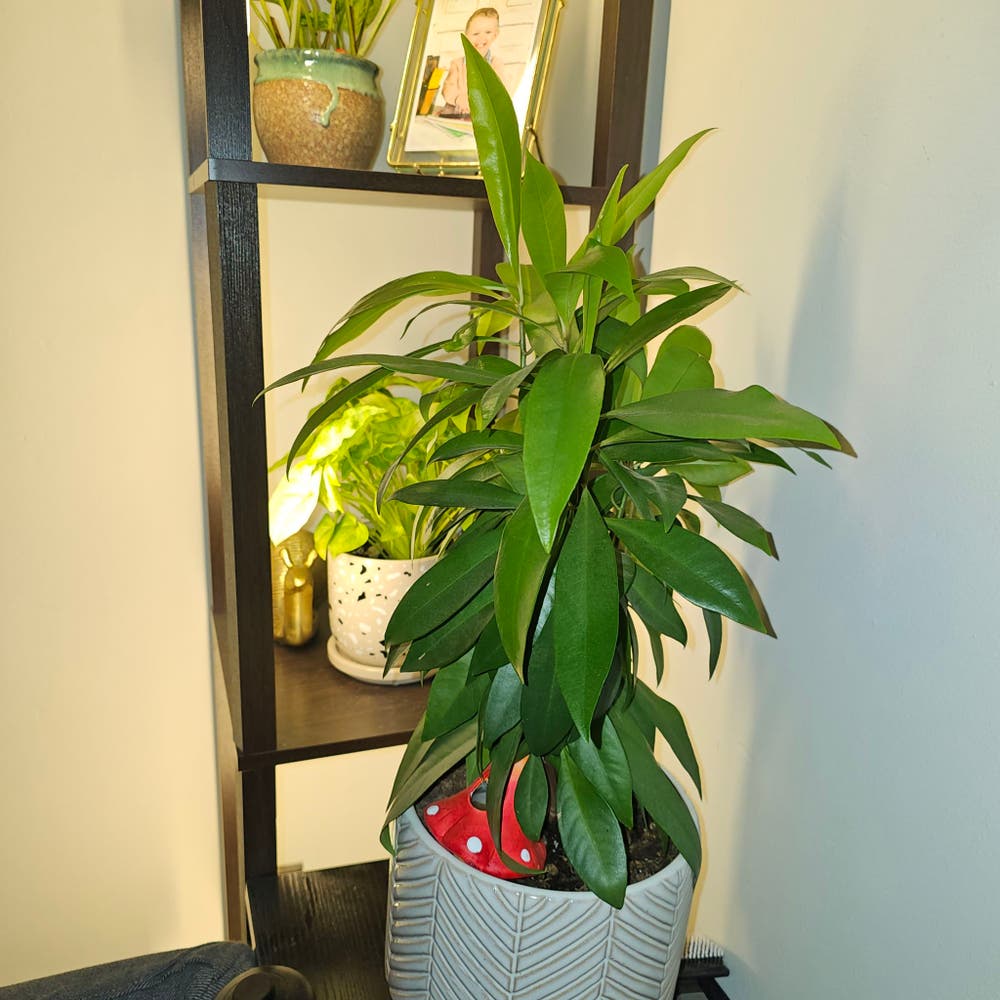
👟 Shoebutton Ardisia Roots 101
Ardisia elliptica
By the Greg Editorial Team
Sep 29, 2024•7 min read
This article was created with the help of AI so we can cover more plants for you. May contain errors. See one? Report it here.
Cultivate thriving Shoebutton Ardisia roots 🌱 for a resilient garden and flourishing plants!
- 🌱 Shoebutton Ardisia roots enhance stability and nutrient uptake, thriving in various soils.
- 💧 Consistent watering and well-draining soil prevent root rot and promote healthy growth.
- 🔍 Regular root inspections help identify issues early, ensuring plant vitality and resilience.
Root System Characteristics
Type of Root System 🌱
The Shoebutton Ardisia features a fibrous root system characterized by thin, branching roots that spread widely. This design allows for efficient nutrient uptake and provides stability across various soil conditions.
Specific Characteristics of Roots 🌍
These roots are highly adaptable, thriving in well-drained soils, which significantly influences their development. Their ability to spread extensively enhances the plant's resilience, making it better equipped to withstand environmental challenges.
In summary, understanding the root system of the Shoebutton Ardisia is crucial for fostering its growth and health. This foundation sets the stage for exploring root growth patterns in different environments, which we’ll delve into next.
Root Growth Patterns
🌱 Root Depth and Spread
The Shoebutton Ardisia typically boasts a root depth of 12 to 18 inches, which can vary based on soil conditions. This depth allows the plant to access essential nutrients and moisture effectively.
The roots can spread up to 3 feet in diameter, providing excellent stability. This expansive root system helps the plant withstand various environmental challenges.
🌍 Growth Patterns in Different Environments
Root growth can significantly vary depending on environmental factors. Moisture levels, soil type, and light exposure all play crucial roles in how roots develop.
In container settings, roots may become more confined, leading to different growth patterns compared to those in garden beds. For instance, roots in a garden often spread more freely, promoting a robust and resilient plant structure.
Understanding these growth patterns is vital for ensuring the health and longevity of your Shoebutton Ardisia. As we dive deeper into care techniques, you'll discover how to nurture these roots effectively.
Care Techniques
Impact of Watering on Root Health 🌊
Watering is crucial for the health of Shoebutton Ardisia roots. Aim for consistent moisture without waterlogging, as overly saturated soil can lead to root rot.
Check the top inch of soil; when it feels dry, it’s time to water. This practice encourages deep root growth and overall plant vigor.
Fertilizing Methods Tailored to Root Needs 🌱
Choosing the right fertilizer can significantly impact root development. Balanced NPK fertilizers and organic options are excellent choices for nurturing healthy roots.
Fertilize monthly during the growing season to provide essential nutrients. This routine supports robust growth and resilience.
Transplanting Considerations for Root Systems 🌍
Transplanting can be a delicate process for Shoebutton Ardisia. The best times to transplant are early spring or fall, as these seasons minimize stress on the plant.
When transplanting, focus on minimizing root disturbance. This approach helps maintain root integrity and promotes successful establishment in new soil.
With these care techniques, you’ll set the stage for thriving roots and a flourishing plant. Next, let’s explore common root issues that can arise and how to tackle them effectively.
Common Root Issues
Identifying Root-Related Problems 🌱
Recognizing root-related problems early can save your plant from serious distress. Look for signs like wilting, yellowing leaves, and stunted growth; these are often indicators that something is amiss below the surface.
Solutions and Prevention Tips 🛠️
One of the most common root issues is root rot, which typically arises from overwatering or poorly draining soil. To prevent this, ensure your plant is in well-draining soil and avoid letting it sit in water.
Pests can also wreak havoc on roots. Identifying pests like root aphids or nematodes early is crucial. Regularly inspect your plants and consider using organic pest control methods to keep these nuisances at bay.
By staying vigilant and addressing these common root issues, you can maintain a healthy and thriving plant. Next, let’s explore how to assess root health indicators for a more proactive approach to plant care.
Root Health Indicators
Visual Cues of Healthy vs. Unhealthy Roots 🌱
Healthy roots are a gardener's pride. They typically appear white, firm, and spread out, indicating robust growth and nutrient absorption.
In contrast, unhealthy roots present a stark warning. Look for signs like brown, mushy textures or foul smells, which can signal decay or disease.
Other Indicators of Root Health 🌿
Beyond visual cues, plant vigor is a crucial indicator of root health. A thriving plant showcases lush foliage and steady growth, suggesting its roots are doing their job.
Regular root inspections are essential. Checking roots periodically can help catch issues early, ensuring your plant remains healthy and vibrant.
With these insights, you can better understand your plant's needs and take proactive steps to maintain its root health. This foundation will support your journey into the next section on stress factors and resilience.
Stress Factors and Resilience
🌱 Role of Roots in Plant Health and Growth
Roots are the unsung heroes of plant health. They anchor the plant, providing stability while efficiently absorbing nutrients and water from the soil.
A strong root system is essential for overall plant vigor. It ensures that the plant can thrive, even in less-than-ideal conditions.
💪 Resilience Against Drought, Pests, and Diseases
Roots play a crucial role in a plant's ability to withstand stress. They help the plant adapt to drought by storing moisture and nutrients, allowing it to survive during dry spells.
Moreover, a robust root system can fend off pests and diseases. Healthy roots produce natural defenses that enhance the plant's resilience against environmental challenges.
In summary, nurturing your plant's roots is key to its overall health and adaptability. A well-developed root system not only supports growth but also equips the plant to face various stress factors effectively.
Next, we’ll explore how to identify and address common root issues that can hinder plant health.
Rootbound Plants
Definition and Recognition of Rootbound Conditions 🌱
Rootbound plants occur when their roots grow too densely within a pot, often leading to a few telltale symptoms. Look for roots circling the pot and signs of stunted growth, which indicate that the plant is struggling for space.
When and How to Address Rootbound Issues 🛠️
It's crucial to act when you notice growth slowing or roots emerging from drainage holes. These signs suggest the plant is ready for a new home.
- Repotting Timing: The best time to repot is during the growing season, ideally in spring.
- Repotting Techniques: Gently remove the plant from its pot, loosening any tightly wound roots.
- Healthy Root Expansion: Place the plant in a slightly larger pot with fresh soil to encourage new growth.
By addressing rootbound conditions promptly, you can ensure your plant thrives and continues to flourish. This proactive approach not only enhances root health but also promotes overall plant vigor.
Next, we’ll explore propagation and division techniques to further enhance your gardening skills.
Propagation and Division
🌱 Importance of Root Health in Propagation
Healthy roots are the backbone of successful plant propagation. They ensure that new plants can absorb nutrients and water effectively, setting the stage for robust growth.
Timing and conditions are crucial for optimal root development during propagation. Spring is the ideal season, as the warmer temperatures encourage active growth and root establishment.
✂️ Techniques for Dividing Plants
Dividing plants can rejuvenate them and promote healthy growth. Here’s a straightforward guide to get you started:
- Timing: Aim to divide your plants in spring when they are just waking up from dormancy.
- Tools: Use a clean, sharp knife or spade to minimize damage to the roots.
- Method: Carefully separate the roots, ensuring each division has a healthy portion of roots and foliage. Replant them in suitable soil to encourage new growth.
By following these steps, you can effectively propagate your Shoebutton Ardisia and enjoy a thriving garden. With healthy roots, your plants will flourish, making your gardening journey even more rewarding.
⚠️ Safety First
This content is for general information and may contain errors, omissions, or outdated details. It is not medical, veterinary advice, or an endorsement of therapeutic claims.
Always consult a qualified healthcare professional before using any plant as food, medicine, or supplement.
Never eat any plant (or feed one to pets) without confirming its identity with at least two trusted sources.
If you suspect poisoning, call Poison Control (800) 222-1222, the Pet Poison Helpline (800) 213-6680, or your local emergency service immediately.
Spotted an error? Please report it here.
Unlock the secret to thriving roots 🌱 with Greg's tailored care tips and reminders, ensuring your Shoebutton Ardisia flourishes in any environment!