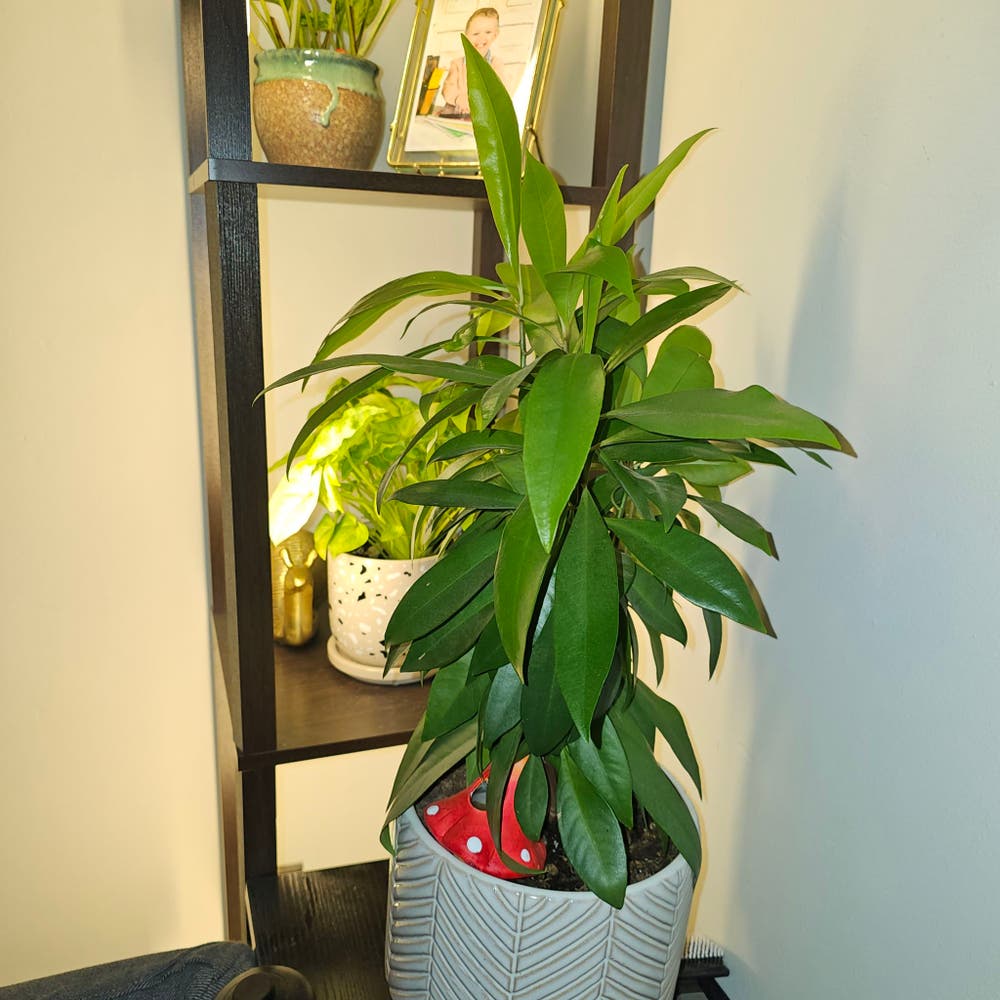
💧 How Often Do I Need to Water My Coralberry?
Ardisia elliptica
By the Greg Editorial Team
Jun 17, 2024•3 min read
This article was created with the help of AI so we can cover more plants for you. May contain errors. See one? Report it here.
Nurture a lush coralberry 🌿 by mastering the art of watering—season to season, rain or shine. ☔☀️
- 🍂 Spot drooping leaves to identify coralberry's thirst.
- Seasons change watering needs: more in summer, less in winter.
- 🌧️ Local weather and drainage crucial for coralberry watering.
When to Water: Timing is Everything
🚰 Spotting the Signs
Identifying when your coralberry is parched is crucial. Leaves drooping like a bad posture? That's your green light to water. Check the top 2 to 3 inches of soil; if it feels like a dry spell in the Sahara, it's time to quench that thirst.
🌞 Seasonal Sips
Your coralberry's watering needs shift with the seasons. In the growth-friendly spring and fall, it's all about consistent moisture. Come winter, ease off the hydration highway. Summer? It's peak thirst season, so keep the water coming.
💧 The Environmental Effect
Local weather and microclimate play stage director to your watering routine. Humidity high enough to ruin a good hair day? Cut back on watering. Arid as a desert wind? Ramp up the water supply. Your coralberry's need for water will dance to the tune of your environment's rhythm.

The Right Way to Water Coralberry
💧 Deep Drink vs. Light Spritz
Deep watering is essential for encouraging robust root growth in coralberry plants. By allowing the water to penetrate deeply into the soil, you promote a strong and extensive root system. This method is far superior to light spritzing, which can lead to shallow roots and a weaker plant. Ensure the top inch of soil is dry before watering again to provide the perfect balance of moisture.
🚰 The Drainage Dilemma
Proper drainage is non-negotiable for coralberry plants. Overwatering is a common pitfall that can lead to root rot, a death sentence for many plants. To prevent this, make sure your pots have adequate drainage holes. If you're dealing with heavy soil, consider amending it with perlite or sand to improve water flow. Remember, waterlogged soil is trouble; aim for moist, not marshy.

The Balancing Act: Avoiding Too Much or Too Little
🚱 Symptoms of Overindulgence
Yellowing leaves on your coralberry could be a red flag for overwatering. If the foliage starts to drop like flies, you've likely been too generous with the H2O. Mushy stems? That's the plant equivalent of a waterlogged sponge. Time to reassess your watering routine.
🏜️ The Perils of Neglect
On the flip side, an underwatered coralberry sends out distress signals through wilted, crispy leaves. They'll look as sad as a forgotten salad in the back of your fridge. If the growth is stunted and the soil feels drier than a stand-up comedian's wit, it's time to up the hydration game.

Special Considerations for Container-Grown Coralberry
🌱 Container Quirks
Container size and material play a crucial role in how often your coralberry needs water. Small pots dry out faster, so they demand more frequent watering. Materials like clay or terracotta wick moisture away from the soil, which can be both a blessing and a curse. Choose wisely based on your ability to keep up with the watering needs.
🌧 Monitoring Moisture
Forget fancy gadgets; your index finger is your best tool for checking soil moisture. Plunge it into the top inch of soil—dry? Time to water. Remember, overwatering is just as deadly as underwatering, so look for a happy medium. If you're the type who forgets to water, consider a self-watering container, but don't get too comfortable; you still need to check on it. Keep your coralberry's feet dry by ensuring excellent drainage and elevate the pot to prevent waterlogging.
⚠️ Safety First
This content is for general information and may contain errors, omissions, or outdated details. It is not medical, veterinary advice, or an endorsement of therapeutic claims.
Always consult a qualified healthcare professional before using any plant as food, medicine, or supplement.
Never eat any plant (or feed one to pets) without confirming its identity with at least two trusted sources.
If you suspect poisoning, call Poison Control (800) 222-1222, the Pet Poison Helpline (800) 213-6680, or your local emergency service immediately.
Spotted an error? Please report it here.
Ensure your coralberry thrives in every season with Greg's adaptive watering reminders 🌦, tailored to prevent over or underwatering by considering your local climate and plant's needs.