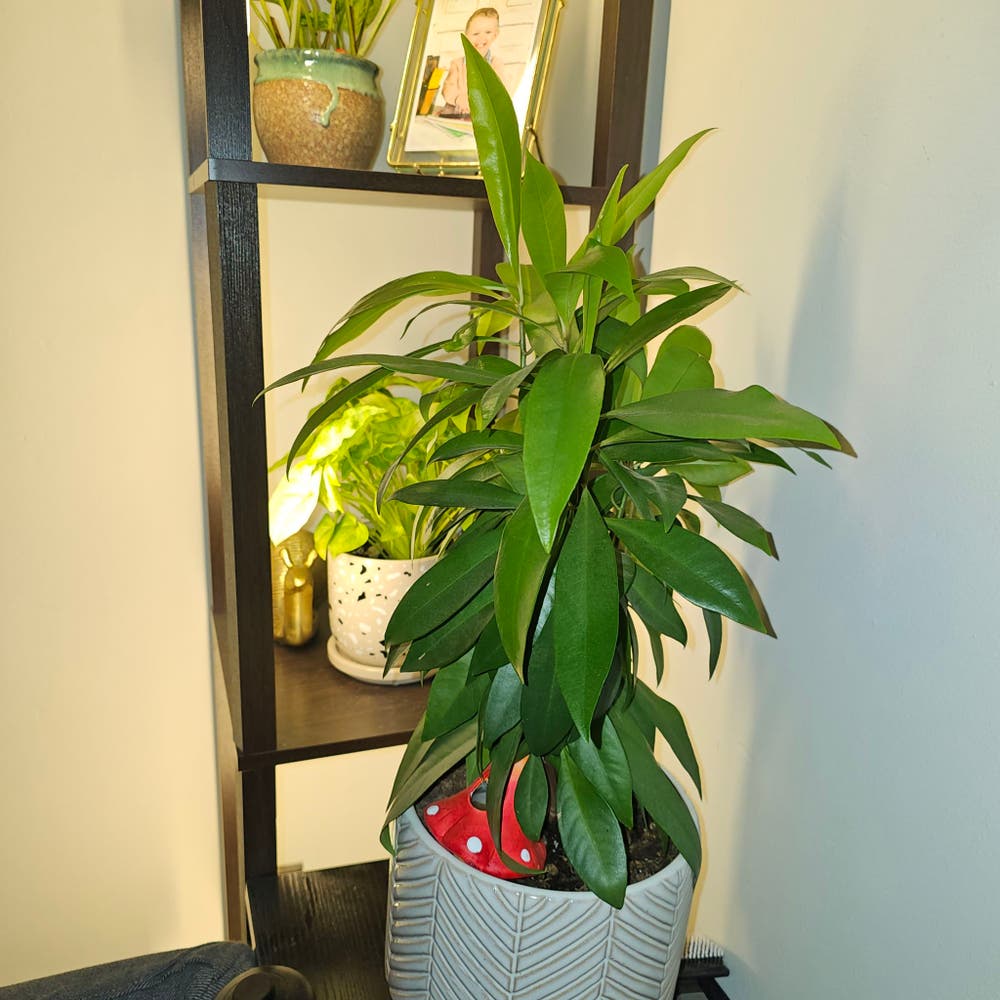
How to Know When to Repot a Shoebutton?
Ardisia elliptica
By the Greg Editorial Team
Jun 17, 2024•4 min read
This article was created with the help of AI so we can cover more plants for you. May contain errors. See one? Report it here.
Discover the secret to a flourishing Shoebutton by mastering the art of timely repotting. 🌱✨
- Roots peeking out? Time to repot your Shoebutton.
- 🌱 Spring repotting aligns with growth cycles for plant health.
- Choose the right pot - terracotta, plastic, or ceramic for Shoebutton needs.
Spot the Telltale Signs It's Time to Repot
🌱 Root Tango in the Pot
Roots should stay hidden, but when they peek out of drainage holes, it's a repotting red flag. A root-bound plant is like a dancer with no room to move—it's stifled.
💧 Watering Woes
When water speeds through the pot, barely touching the sides, it's not just quirky—it's a sign of a root-packed pot. The soil should be a sponge, not a sieve.
🌿 Growth Gets Grounded
A Shoebutton that's stopped growing or becomes top-heavy isn't just being dramatic—it's literally outgrowing its space. If your plant's growth is more snail-paced than racehorse, it's time for a change.

Timing Is Everything: When to Give Your Shoebutton a New Home
🌸 Seasonal Sweet Spot
Spring ushers in new beginnings for both flora and fauna, making it the ideal season for repotting your Shoebutton. This period of active growth helps the plant recover quickly and thrive after the transition.
🌱 Growth Cycles and Repotting
Understanding your Shoebutton's growth cycle is crucial for timely repotting. Aim to repot after a growth spurt but before the plant enters its dormant phase. This ensures the plant has the energy to establish itself in its new home without the added stress of adapting to dormancy.

The Great Move: Repotting Your Shoebutton Step by Step
🏡 Prepping the New Residence
Right pot size and soil mix are key. Choose a pot one size up—big enough for growth but not so large it drowns the roots in soil. Mix in perlite or coarse sand for drainage.
🌱 The Gentle Uproot
Never yank your Shoebutton by the stems. Tilt and tap the pot, or run a knife around the edge if it's stubborn. Ease it out, respecting the root's personal space.
🕵️♂️ Root Health Check-Up
Inspect the roots like you're on a first date—look for good signs and red flags. Prune any dead or rotting parts with a clean, sharp knife. It's like giving your plant a haircut, but, you know, for survival.
🏠 Settling into the New Pad
Center your Shoebutton in its new abode. Backfill with soil, tamping down to avoid air pockets. Water to settle the soil—think of it as a welcome drink for your plant's new start.

Picking the Perfect Pot: Material Matters
🌱 Terracotta vs. Plastic vs. Ceramic
Terracotta pots are the breathable choice, allowing air and water to move through the walls, promoting healthy root systems and preventing root rot. They're your go-to for a Shoebutton that craves a dry-out period between waterings. However, they can be heavy and may break if you're clumsy.
Plastic pots, on the flip side, are lightweight champions and retain moisture longer, which can be a double-edged sword. They're a boon for the forgetful waterers but a bane for those prone to overwatering. Ensure they have drainage holes to avoid soggy soil situations.
Ceramic pots are the stylish cousins, often glazed and coming in a plethora of designs. They're less porous than terracotta, offering a middle ground between moisture retention and breathability. But watch out for the weight and the potential lack of drainage holes.
No-Go for Shoebutton: Pot Materials to Avoid
Metal pots might look sleek, but they're a no-go. They can overheat and cook your Shoebutton's roots on a sunny day. Plus, they may rust, which is not a good look or feel for your plant's home.
Glass pots are another pretty but impractical option. They offer no breathability and can lead to waterlogging unless you're meticulous with watering. Stick to using these for your terrariums, not your Shoebuttons.
In the end, match the pot to your Shoebutton's needs and your own watering habits. Your plant will thank you with lush growth, and you'll thank yourself when you don't have to deal with the aftermath of a poor pot choice.
⚠️ Safety First
This content is for general information and may contain errors, omissions, or outdated details. It is not medical, veterinary advice, or an endorsement of therapeutic claims.
Always consult a qualified healthcare professional before using any plant as food, medicine, or supplement.
Never eat any plant (or feed one to pets) without confirming its identity with at least two trusted sources.
If you suspect poisoning, call Poison Control (800) 222-1222, the Pet Poison Helpline (800) 213-6680, or your local emergency service immediately.
Spotted an error? Please report it here.
Ensure your Shoebutton is happily repotted 🌱 with Greg's custom reminders and pot size recommendations, tailored to your plant's growth and your home's environment.