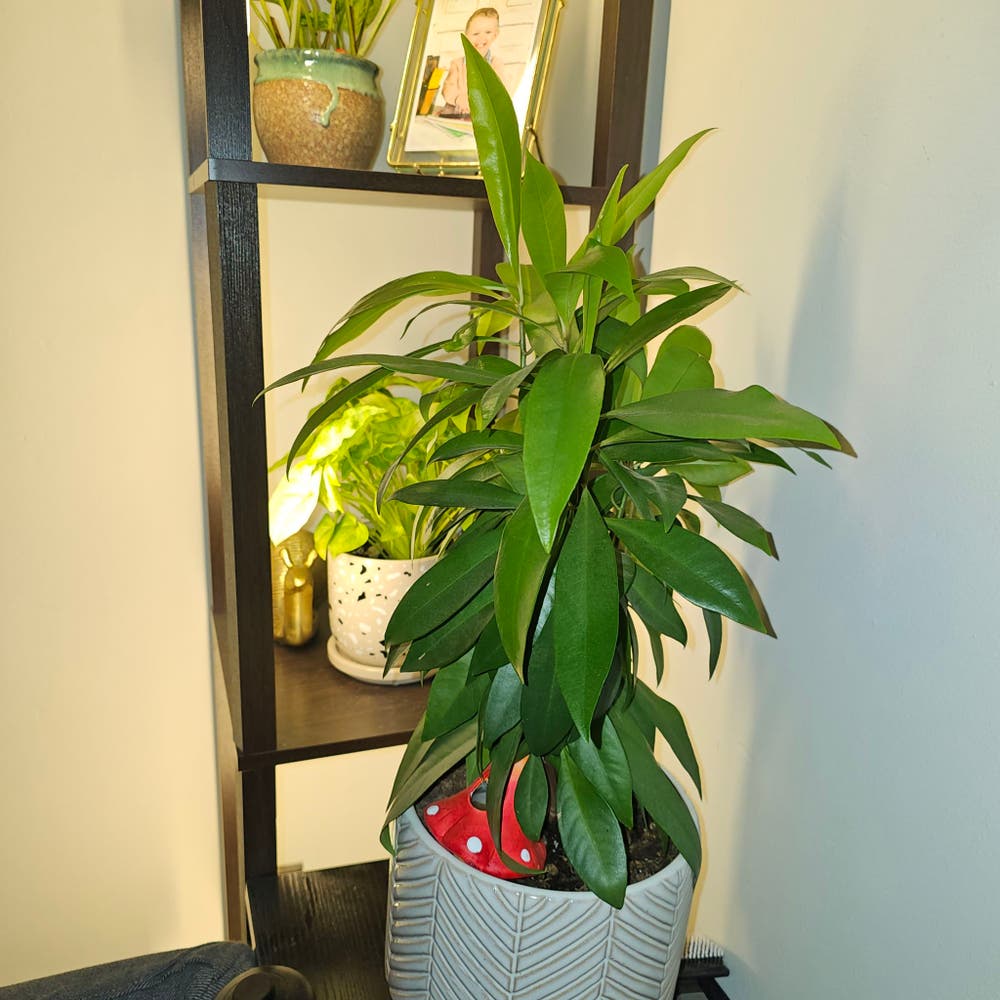
What Do I Do About Shoebutton Root Rot?
Ardisia elliptica
By the Greg Editorial Team
Jun 17, 2024•4 min read
This article was created with the help of AI so we can cover more plants for you. May contain errors. See one? Report it here.
Stop root rot in its tracks 🛑 and revive your Shoebutton with these proven rescue and prevention tactics! 🌿
- Yellow leaves and mushy roots signal Shoebutton root rot.
- Prune, dry, repot with well-draining soil to treat root rot.
- Prevent rot with correct watering, fungicides, and clean environment.
Spotting the Red Flags: Early Signs of Root Rot in Shoebutton
🚩 Yellowing Leaves and Wilting
The first whisper of trouble in your Shoebutton plant is a visual one. Yellowing leaves and a wilting posture are the plant's SOS signal. It's not just being dramatic; it's likely a cry for help from its roots.
🍄 Mushy Roots and Foul Odor
Dive below the surface, and you'll find the root of the problem—literally. Healthy roots are firm and white, but with root rot, they turn into a mushy mess. And the smell? If your plant's soil smells like a forgotten gym locker, that's the stench of root rot. Trust your nose; it's rarely wrong on this one.

The Rescue Operation: Treating Shoebutton Root Rot
🌱 Soil and Root Inspection
First, halt watering immediately to stop exacerbating the issue. Gently remove your Shoebutton from its pot and commence a thorough root examination. Healthy roots boast a firm texture and a light color, while rotting ones are mushy and dark. Sniff for a foul odor – a telltale sign of rot.
✂️ Pruning the Damage
Armed with sterilized scissors, it's time for some root surgery. Trim away all the rotted parts. It's a delicate balance – remove enough to save the plant but not so much that it can't recover. Post-trim, consider a fungicide application to ward off further fungal insults.
🌿 Drying Out and Repotting
After the operation, let the roots air out a bit. Then, repot your Shoebutton in fresh, well-draining soil. Ensure the new pot has adequate drainage holes – think Swiss cheese. Adjust your watering habits moving forward; when in doubt, less is more. Remember, your Shoebutton's survival hinges on a careful reboot of its environment.

Fungus Among Us: Addressing the Invisible Culprit
🌿 Choosing the Right Fungicide
In the quest to combat root rot, selecting an effective fungicide is like choosing the right weapon for battle. Timing is critical; deploy fungicides at the first whisper of trouble. When it comes to application, precision is key—follow the label like it's the holy grail of plant health.
🏡 Homemade Solutions
But hey, not everyone's keen on the chemical route. For the DIY crowd, a baking soda solution or a copper-based concoction might just be your plant's saving grace. Pair these with a solid routine of sterilizing your tools and ensuring good air flow, and you're on your way to creating a no-fungus land.
🛡️ Systemic vs. Contact Fungicides
When the fungus is stubborn, systemic fungicides such as Cleary's 3336 or Daconil can be lifesavers. They don't just sit on the surface; they get all up in your plant's system, offering protection from the inside out. Remember to rotate your fungicides to keep those pesky pathogens guessing and prevent resistance.
🎯 Application Tactics
Consistency is your friend here. Apply fungicides at the first sign of any fungal shenanigans. If you're mixing your own, a weekly spritz should suffice. Keep it up until the conditions are less "fungus-friendly."
🛡️ Preventing Fungus Damage
And let's not forget about prevention. A monthly fungicide spritz can significantly improve plant health. It's like giving your plants a regular health check-up to ward off any fungal intruders before they get too comfortable.

Keeping the Rot at Bay: Prevention Tactics
💧 Watering Wisdom
Overwatering is the fast track to root rot. To prevent this, establish a watering routine that caters to the Shoebutton's thirst without drowning it. Check the soil's moisture with a finger—if it's damp, hold off on the H2O. Remember, the Shoebutton prefers a drink only when its soil is dry to the touch.
🏺 The Perfect Home: Soil and Pot Selection
Choosing the right soil and pot is crucial. Opt for a well-draining mix and a pot with drainage holes to avoid waterlogging. A pot's size should match the plant's root system—too big, and you risk excess soil moisture; too small, and you'll stunt the growth.
🌡️ Environmental Mastery
Your Shoebutton's environment can make or break its health. Temperature, humidity, and air circulation need to be just right. Avoid extremes by keeping your plant in a stable environment and rotate the pot occasionally for even exposure. Cleanliness is next to godliness—keep the area free of debris to prevent fungal parties.
⚠️ Safety First
This content is for general information and may contain errors, omissions, or outdated details. It is not medical, veterinary advice, or an endorsement of therapeutic claims.
Always consult a qualified healthcare professional before using any plant as food, medicine, or supplement.
Never eat any plant (or feed one to pets) without confirming its identity with at least two trusted sources.
If you suspect poisoning, call Poison Control (800) 222-1222, the Pet Poison Helpline (800) 213-6680, or your local emergency service immediately.
Spotted an error? Please report it here.
Eradicate Shoebutton root rot and foster resilient roots 🌱 with Greg's tailored watering schedule and treatment reminders, ensuring your plant thrives.