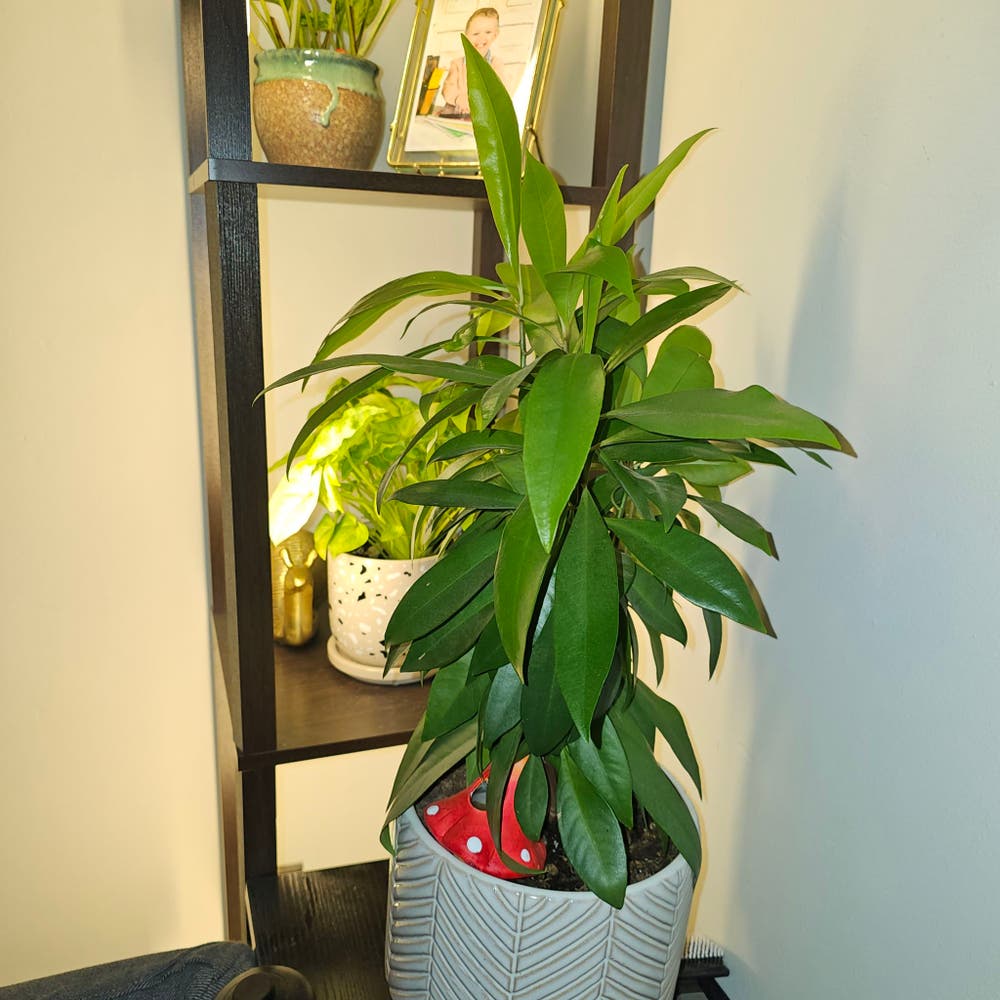
What Do Coralberry Flowers Mean?
Ardisia elliptica
By the Greg Editorial Team
Jun 17, 2024•4 min read
This article was created with the help of AI so we can cover more plants for you. May contain errors. See one? Report it here.
Unveil the secret language of Coralberry blooms and nurture their splendor in your garden. 🌿✨
- Coralberry's rich heritage reflects in Native American culture and modern symbolism.
- 🌡️ Thrives in 60-75°F and bright, indirect light for vibrant blooms.
- Pruning and balanced watering are key to a healthy, flowering Coralberry.
Decoding the Language of Coralberry Blooms
🌿 Historical and Cultural Significance
Coralberry, known scientifically as Symphoricarpos orbiculatus, holds a special place in Native American heritage. Medicinal uses and food sources aside, the plant's vibrant berries served as a dye for textiles, infusing everyday items with a splash of natural color. Ceremonial roles for the shrub highlight its spiritual significance, linking it to rituals that span generations.
🌱 Modern Interpretations
Today, the Coralberry's allure isn't just rooted in tradition. Indoor gardeners celebrate its blooms as a nod to their nurturing prowess. While not as encoded with meaning as some flowers, Coralberry's modern symbolism is budding. It's a living testament to a grower's dedication, flourishing under attentive care. In the contemporary floral language, it's less about the message and more about the joy of coaxing nature into bloom.

Tailoring the Environment for Vibrant Blooms
💡 Light: The Beacon for Blooming
Coralberry plants are light lovers, but they don't appreciate the harshness of direct sunlight. They thrive in bright, indirect light that mimics the dappled sunlight of a forest understory. To hit the sweet spot, position your Coralberry where it can bask in plenty of light without being scorched by the midday sun. Rotate your plant occasionally to ensure even light distribution and prevent lopsided growth.
🌡️ Climate: Crafting the Perfect Atmosphere
Temperature and humidity are the yin and yang of the Coralberry's world. These plants prefer a consistent temperature range of 60-75°F (15-24°C), with a no-go zone below 45°F (8°C). Sudden temperature swings are a big no-no, so keep your Coralberry away from drafty windows and heat sources. As for humidity, think of it as setting the mood—average house humidity works, but a pebble tray or a misting session can up the ante during dry spells. Remember, a humidifier isn't just for your sinuses; it can be a Coralberry's best friend during those parched winter months.

Nourishing the Roots to See the Fruits
💩 Soil and Fertilization: The Foundation of Flowering
Coralberry plants don't just settle for any dirt; they thrive in well-draining soil. To hit the jackpot of blooming, mix in organic matter like compost or manure. It's like upgrading from economy to first-class for your plant's roots.
💧 Watering Wisdom
Overwatering is the fast track to root rot, while underwatering turns your Coralberry into a desert dweller. Check the soil moisture with your finger; if it sticks, skip the watering can. Aim for a consistent watering schedule, adjusting for the plant's thirst level, not your own.
🌱 The Perfect Potting Mix
A potting mix that holds moisture without causing a flood is crucial. Consider a blend with peat moss or vermiculite to keep things just moist enough. It's about creating a cozy, yet breathable bed for your plant's roots.
🍽️ Fertilization: Less is More
When it comes to nutrients, think of it as a balanced diet for your plant. Too much and you'll overwhelm it, too little and it's malnourished. Regular, balanced fertilization is key, but don't go overboard. It's a marathon, not a sprint, to flowering success.
💦 The Watering Rhythm
Coralberry plants don't come with a playlist, but they do have a preferred watering rhythm. Adjust your watering frequency with the seasons; more in the summer, less in the winter. Keep it regular, keep it right, and you'll see those blooms ignite.

Pruning: The Art of Encouraging Coralberry Flowers
🌸 Strategic Snips for Spectacular Blooms
Pruning your Coralberry isn't just about keeping it tidy; it's crucial for promoting those vibrant blooms we all adore. Early spring is your window of opportunity, a time to remove dead or damaged branches, allowing the plant to focus its energy on new growth. Aim for a light touch; think of it as a trim rather than a full-blown haircut. One to five branches annually should suffice, ensuring you don't stress the shrub into a blooming boycott.
🩺 Health Checks and Balancing Acts
Beyond aesthetics, pruning is a health check for your Coralberry. It's about spotting the early signs of trouble, like damaged foliage that could harbor fungi or bacteria. Snip these away to prevent any unwelcome guests. Keep your shears clean, a quick wipe with rubbing alcohol post-snipping keeps diseases at bay. Remember, each cut is a decision that shapes your plant's future. Too much, and you risk a bloom bust; too little, and you might as well be a bystander. Get it right, and you're the maestro of a floral symphony.
⚠️ Safety First
This content is for general information and may contain errors, omissions, or outdated details. It is not medical, veterinary advice, or an endorsement of therapeutic claims.
Always consult a qualified healthcare professional before using any plant as food, medicine, or supplement.
Never eat any plant (or feed one to pets) without confirming its identity with at least two trusted sources.
If you suspect poisoning, call Poison Control (800) 222-1222, the Pet Poison Helpline (800) 213-6680, or your local emergency service immediately.
Spotted an error? Please report it here.
Nurture your Coralberry to flourishing beauty 🌸 with Greg's tailored watering and light reminders, ensuring your dedication is reflected in every lush bloom.