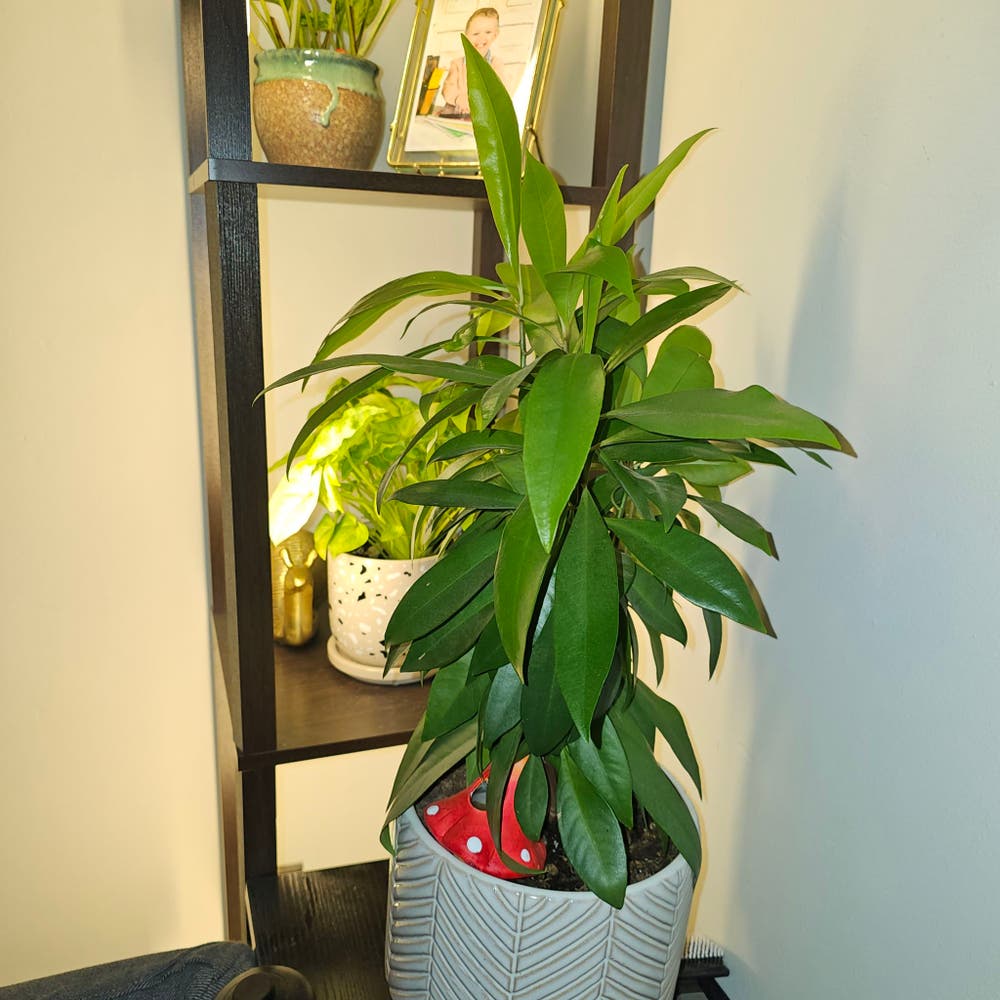
👟 What to Do About Black Spots on Your Shoebutton Ardisia
Ardisia elliptica
By the Greg Editorial Team
Sep 29, 2024•5 min read
This article was created with the help of AI so we can cover more plants for you. May contain errors. See one? Report it here.
Revive your Shoebutton Ardisia from pesky black spots 🌱 with essential diagnosis and treatment tips for thriving plants! 🌿
- 🌱 Black spots are often fungal infections; treat with copper fungicides or neem oil.
- 💧 Maintain humidity between 50-70% to prevent fungal growth on Shoebutton Ardisia.
- 🌞 Bright, indirect sunlight is ideal; avoid extremes to keep your plant healthy.
Causes of Black Spots
🦠 Fungal Infections
Black spots on your Shoebutton Ardisia often indicate fungal infections, which thrive in humid conditions. Two common culprits are Alternaria and Phyllosticta, both notorious for causing leaf spot disease.
Fungal growth is typically encouraged by high humidity and poor air circulation. If your plant is in a damp environment with little airflow, it’s a recipe for trouble.
🦠 Bacterial Infections
Bacterial infections can also manifest as black spots on your Ardisia. Look out for pathogens like Pseudomonas and Xanthomonas, which can lead to significant leaf damage.
Symptoms of bacterial infections include water-soaked lesions and rapid leaf decay. If you notice these signs, it’s crucial to act quickly to protect your plant.
🌪️ Environmental Stress
Environmental factors play a significant role in the health of your Shoebutton Ardisia. The ideal humidity range is between 50-70%, which helps keep the plant thriving.
Temperature fluctuations can also stress your plant. Conditions below 60°F (15°C) or above 80°F (27°C) can weaken it, making it more susceptible to diseases. Additionally, insufficient light exposure can hinder growth and increase vulnerability to infections.
Understanding these causes is essential for effective treatment and prevention. Next, we’ll explore how to diagnose the problem accurately.
Diagnosing the Problem
🕵️ Assessing Plant Health
To effectively diagnose black spots on your Shoebutton Ardisia, start by checking for pests. Look for signs of infestations, such as webbing or visible insects, which can indicate a larger issue.
Next, evaluate the soil conditions. Use a moisture meter to check soil moisture levels, ensuring your plant is neither overwatered nor underwatered. Additionally, confirm that the soil composition is well-draining to prevent root rot.
🔍 Differentiating Between Causes
Understanding the root cause of black spots is crucial. Fungal infections often present with distinct black spots that can spread rapidly across leaves.
On the other hand, bacterial infections may show water-soaked lesions, indicating a different type of problem. Environmental stress typically correlates with an overall decline in plant health, making it essential to assess all factors affecting your Ardisia.
By carefully examining these aspects, you can pinpoint the issue and take appropriate action. This proactive approach will help ensure your plant thrives and remains healthy.
Treatment Options
🧪 Chemical Treatments
Fungicides for Fungal Infections
Fungal infections can wreak havoc on your Shoebutton Ardisia, but the right fungicides can help. Consider using copper-based fungicides or systemic fungicides, applying them every 7-14 days until you see improvement.
Bactericides for Bacterial Issues
For bacterial infections, effective treatments include copper soap and streptomycin. Always follow the label instructions to ensure proper application and effectiveness.
🌱 Organic Treatments
Neem Oil Application
Neem oil is a fantastic organic option for treating black spots. Mix 2 tablespoons of neem oil with 1 gallon of water and apply it every two weeks during the growing season for best results.
Homemade Remedies
A simple baking soda solution can also be effective. Combine 1 tablespoon of baking soda with 1 gallon of water and spray it on affected leaves every 7-10 days to help combat the issue.
By utilizing these treatment options, you can effectively manage black spots on your Shoebutton Ardisia. Next, let’s explore preventive measures to keep your plant healthy and thriving.
Preventive Measures
Proper Watering Techniques 🌊
Avoiding Overwatering
Overwatering is a common mistake that can lead to serious issues for your Shoebutton Ardisia. Look for signs like yellowing leaves and soggy soil to identify if you're giving it too much water.
To maintain a healthy watering schedule, only water when the top inch of soil feels dry. This simple practice can help keep your plant thriving.
Ensuring Good Drainage
Good drainage is crucial for preventing root rot and fungal growth. Without it, your plant may struggle to absorb nutrients effectively.
Use a potting mix that includes perlite or sand to enhance aeration. This will help ensure that excess water drains away quickly.
Environmental Adjustments 🌍
Ideal Humidity and Temperature Levels
Maintaining the right humidity is essential for your Shoebutton Ardisia. Aim for a humidity level between 50-70% to keep your plant happy.
Consider using a humidifier or pebble trays filled with water to boost humidity levels. Additionally, keep the temperature between 65°F (18°C) and 75°F (24°C) for optimal growth.
Proper Light Exposure
Your plant thrives in bright, indirect sunlight. This light condition helps it grow strong and healthy.
Be cautious of direct sunlight, as it can scorch the leaves and lead to stress. Finding the right balance will keep your Shoebutton Ardisia looking its best.
By implementing these preventive measures, you can significantly reduce the risk of black spots and other issues. Next, let's explore ongoing care and maintenance to ensure your plant remains vibrant and healthy.
Ongoing Care and Maintenance
Regular Inspection of Leaves 🌿
Regularly checking your Shoebutton Ardisia is essential. Aim for weekly inspections to catch early signs of black spots or pests.
Early detection is key for effective intervention. The sooner you spot an issue, the better your chances of keeping your plant healthy.
Pruning Affected Areas ✂️
If you notice affected leaves, it’s time to prune. Use clean, sharp scissors to remove any leaves showing black spots.
Timing matters; prune during the growing season for optimal recovery. This helps your plant redirect energy to healthier growth.
Fertilization Practices to Boost Plant Health 🌱
To keep your Shoebutton Ardisia thriving, consider using a balanced NPK fertilizer, like 10-10-10. Apply it every 4-6 weeks during the growing season for best results.
Maintaining nutrient balance is crucial. It supports overall plant health and enhances resilience against diseases, ensuring your plant remains vibrant and strong.
With these ongoing care practices, your Shoebutton Ardisia can flourish. Next, let’s explore preventive measures to keep your plant in top shape.
⚠️ Safety First
This content is for general information and may contain errors, omissions, or outdated details. It is not medical, veterinary advice, or an endorsement of therapeutic claims.
Always consult a qualified healthcare professional before using any plant as food, medicine, or supplement.
Never eat any plant (or feed one to pets) without confirming its identity with at least two trusted sources.
If you suspect poisoning, call Poison Control (800) 222-1222, the Pet Poison Helpline (800) 213-6680, or your local emergency service immediately.
Spotted an error? Please report it here.
Keep your Shoebutton Ardisia spot-free 🌿 by using Greg's tailored care reminders to maintain optimal humidity and health for your plant!