👟 Shoebutton Ardisia: A Common Weed
Ardisia elliptica
By the Greg Editorial Team
Sep 29, 2024•6 min read
This article was created with the help of AI so we can cover more plants for you. May contain errors. See one? Report it here.
Protect your garden's biodiversity 🌱 by mastering effective strategies against invasive Shoebutton Ardisia!
- 🌱 Shoebutton Ardisia is a competitive weed, threatening native plants and biodiversity.
- 🐦 Bright red berries attract birds, aiding in its rapid seed dispersal.
- ⚠️ Early detection and management are crucial to mitigate its ecological impact.
Plant Classification
Definition of Weeds and Invasive Species 🌱
Weeds are often seen as the unwanted guests in our gardens. They thrive in cultivated areas, competing fiercely with the plants we actually want to grow.
Invasive species take this a step further. These non-native plants spread aggressively, disrupting local ecosystems and pushing out native flora.
Criteria for Classifying as a Weed 🏷️
To be classified as a weed, a plant typically exhibits rapid spread. This can happen through both seed dispersal and vegetative reproduction.
Weeds are also highly competitive. They can thrive in various soil types and light conditions, making them tough opponents for native plants.
Additionally, many weeds can alter soil chemistry and moisture levels. This ability impacts local plant communities, often to the detriment of native species.
Understanding these classifications helps us recognize the challenges posed by plants like Shoebutton Ardisia. By identifying them early, we can take steps to manage their spread effectively.
Identification
Key Identifying Features 🌿
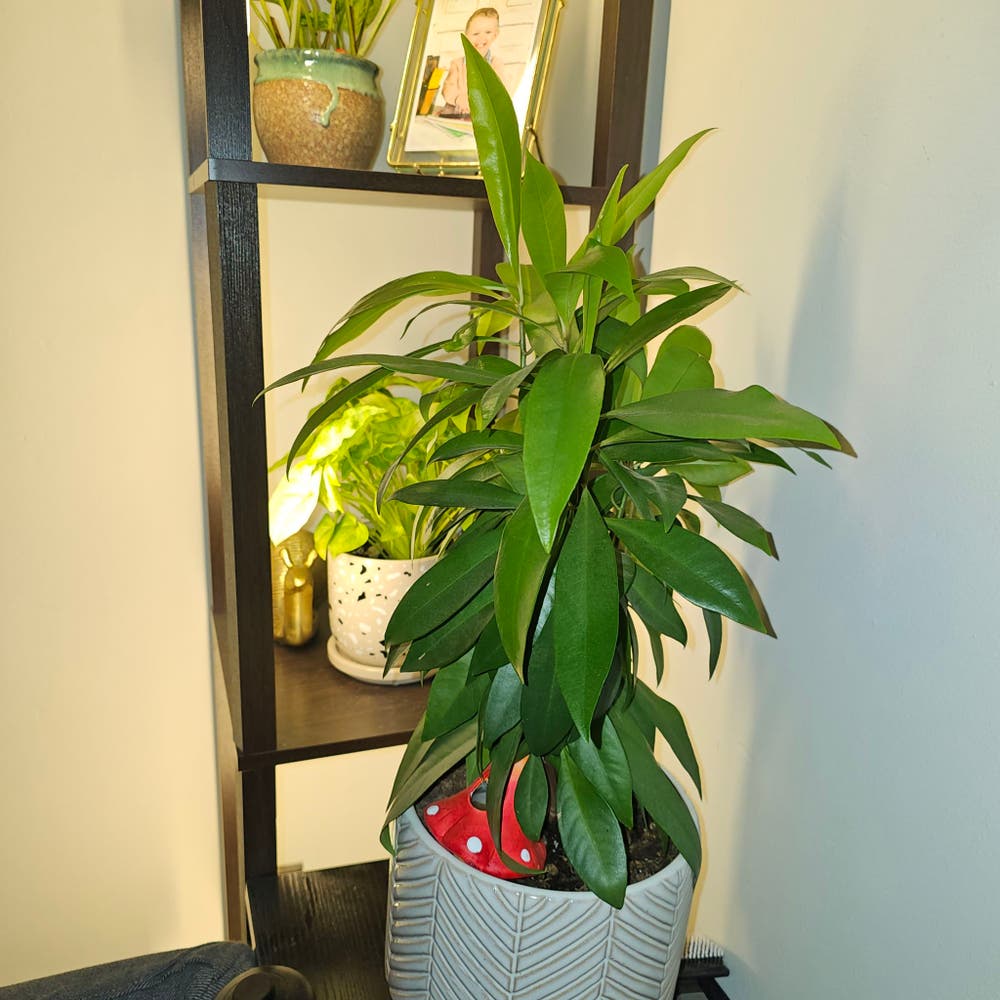
Shoebutton Ardisia is easily recognizable by its glossy, dark green leaves. These oval-shaped leaves typically measure between 3 to 6 inches in length, providing a lush backdrop for its flowers.
The flowers are small and can range from white to pink, blooming in charming clusters. Following the flowering phase, the plant produces bright red berries that not only add a pop of color but also attract birds, aiding in seed dispersal.
Comparison with Look-Alike Plants 🔍
When identifying Shoebutton Ardisia, it's essential to distinguish it from similar species, particularly other Ardisia varieties. Key differences include the specific leaf shape and size, as well as the unique clustering of its flowers.
Familiarizing yourself with these distinguishing features can help prevent confusion and ensure accurate identification in the field. Understanding these nuances is crucial for effective management and control of this invasive species.
Growth Habits and Spread
🌱 Typical Growth Patterns
Shoebutton Ardisia can grow impressively tall, reaching heights of up to 6 feet. Its dense, bushy appearance allows it to form thickets, which can dominate the landscape.
🍒 Reproductive Strategies and Methods of Spread
This plant employs two main strategies for reproduction. First, seed dispersal occurs when birds and other wildlife consume its bright red berries, effectively spreading the seeds far and wide.
Additionally, Shoebutton Ardisia can reproduce vegetatively. It roots from stem fragments, enabling rapid colonization of new areas.
🌍 Environmental Conditions that Favor Growth
Shoebutton Ardisia thrives in a variety of soil types and moisture levels. Its adaptability makes it particularly successful in disturbed areas, such as urban and suburban environments.
These conditions allow it to outcompete many native plants, further solidifying its presence in local ecosystems. Understanding these growth habits is crucial for effective management and control.
As we delve deeper into the ecological impact of Shoebutton Ardisia, we will explore how its growth and spread affect native plant communities and wildlife.
Ecological Impact
🌱 Effects on Native Plant Communities
Shoebutton Ardisia poses a significant threat to native plant communities. Its aggressive growth allows it to outcompete local flora for essential resources like sunlight, water, and nutrients.
This competition can lead to a decline in biodiversity, as native plants struggle to survive in the shadow of dense Ardisia thickets. Over time, these thickets can fundamentally alter the habitat structure, making it less hospitable for other species.
🦉 Impact on Wildlife and Biodiversity
The impact of Shoebutton Ardisia extends beyond plants; it also affects wildlife. Many native animals depend on indigenous plants for food and shelter, and the proliferation of Ardisia can disrupt these vital relationships.
As native plants diminish, so too do the animals that rely on them, leading to a ripple effect throughout the ecosystem. This loss of biodiversity can weaken the resilience of local habitats.
🌊 Influence on Soil and Water Resources
Shoebutton Ardisia can also alter soil chemistry, affecting nutrient availability. Its presence may lead to changes in moisture retention, which can further impact the surrounding plant life.
These shifts in soil and water resources can create a challenging environment for native species, making it crucial to monitor and manage the spread of this invasive plant. Understanding these ecological impacts is essential for effective control and management strategies.
As we delve deeper into control methods, it's vital to consider how early detection and rapid response can mitigate these ecological challenges.
Control and Management
🛠️ Manual Removal Techniques and Best Practices
Manual removal is a hands-on approach to managing Shoebutton Ardisia. Start by identifying and marking infested areas to keep track of where the plants are located.
Next, use hand tools like shovels and hoes to carefully remove the plants. It's crucial to ensure that the entire root system is extracted to prevent regrowth.
Finally, dispose of the removed plants properly. This step is vital to avoid re-establishment in the same area.
⚗️ Chemical Control Options and Safety Considerations
Chemical control can be effective but comes with its own set of challenges. Several herbicides are known to work against Shoebutton Ardisia, so it's essential to choose the right one for your situation.
When using herbicides, always prioritize safety. Wear protective gear, apply at the recommended times, and consider environmental impacts to minimize harm to surrounding ecosystems.
🦠 Biological Control Methods and Their Effectiveness
Biological control methods can offer a more sustainable approach. While specific biological control agents for Shoebutton Ardisia may not be widely available, research is ongoing.
It's important to evaluate the effectiveness and limitations of any biological control methods. They can be a valuable part of an integrated management strategy but may not completely eliminate the problem.
🚫 Preventive Measures to Limit Spread
Prevention is key in managing Shoebutton Ardisia. Implement best practices in your garden and landscape management to limit its establishment.
Regular monitoring and early detection are crucial. Keeping an eye out for new infestations can save you time and effort down the line.
👀 Importance of Early Detection and Rapid Response
Early detection can make all the difference. Develop strategies to identify new infestations quickly, such as regular site inspections.
The benefits of rapid intervention are significant. Acting swiftly can minimize both ecological and economic impacts, ensuring that your environment remains healthy and vibrant.
By staying proactive, you can effectively manage Shoebutton Ardisia and protect your local ecosystem.
⚠️ Safety First
This content is for general information and may contain errors, omissions, or outdated details. It is not medical, veterinary advice, or an endorsement of therapeutic claims.
Always consult a qualified healthcare professional before using any plant as food, medicine, or supplement.
Never eat any plant (or feed one to pets) without confirming its identity with at least two trusted sources.
If you suspect poisoning, call Poison Control (800) 222-1222, the Pet Poison Helpline (800) 213-6680, or your local emergency service immediately.
Spotted an error? Please report it here.
Protect your garden from the invasive Shoebutton Ardisia 🌱 by using Greg's plant identification feature to spot and manage this weed effectively!