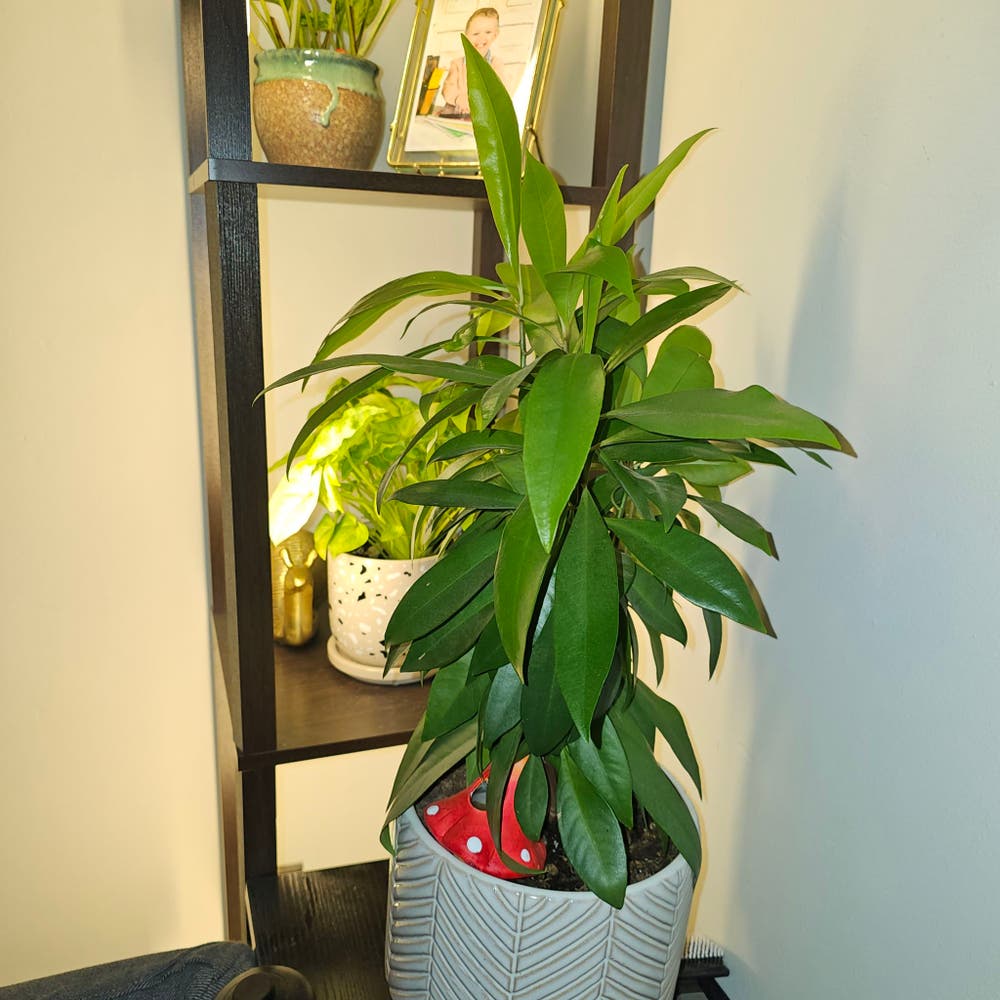
How Should Coralberry Be Cut Back?
Ardisia elliptica
By the Greg Editorial Team
Jun 17, 2024•4 min read
This article was created with the help of AI so we can cover more plants for you. May contain errors. See one? Report it here.
Discover the secret to vibrant Coralberry growth 🌿—timing your pruning right with our expert guide!
- Late winter pruning maximizes growth and berry display.
- Selective and rejuvenation cuts shape and invigorate Coralberry.
- Pruning benefits health by preventing disease and encouraging blooms.
Best Time to Prune Coralberry
🌱 Seasonal Timing
Pruning Coralberry? Late winter to early spring is your window. It's the sweet spot when plants are dormant but poised for growth. Pruning too early exposes plants to winter damage; too late, and you'll snip off emerging buds.
🍇 Flowering and Fruiting Considerations
After the berries drop—that's your cue. Prune post-harvest to avoid berry-less branches. Remember, Coralberry's charm is its fruit; time your cuts to maximize this ornamental feature.

Pruning Techniques for Shape and Vigor
🌿 Selective Pruning
Selective pruning is key to maintaining a Coralberry's shape and encouraging vigorous growth. Here's how to finesse your plant into tip-top form:
- Inspect your Coralberry, looking for overgrown or weak stems.
- Snip these stems back to a lateral branch or to the ground, aiming to keep the plant's natural shape.
- Tip-prune the stems by trimming a few inches off the top to promote a fuller plant.
- Assess the plant's silhouette after each cut—balance is crucial.
- Repeat throughout the growing season, focusing on the strongest stems to guide the plant's architecture.
🌱 Rejuvenation Pruning
When your Coralberry starts to look more like a wild thicket than a garden showpiece, it's time for some tough love:
- Identify the oldest, bulkiest canes.
- Cut these canes to the ground early in the spring; this may be one to five branches, depending on the plant's size.
- Reduce the overall height if necessary, but do this in conjunction with cane removal for a natural look.
- Wait for new growth to emerge, which will be healthier and more robust.
- Avoid over-pruning—less is more, and patience is a virtue when waiting for regrowth.

Ensuring Coralberry's Health Through Pruning
💉 Disease Prevention
Pruning isn't just about looks; it's a health check for your Coralberry. By cutting back overgrown branches, you're giving the plant a breath of fresh air—literally. Air circulation is key to preventing the damp, stale conditions that diseases love. And let's not forget about sunlight; it's like a disinfectant for plants. Strategic snips allow light to penetrate the thicket, keeping your Coralberry's foliage dry and less susceptible to fungal invaders.
🌸 Encouraging Flowering
Want more blooms? Prune for performance. Timing is everything; snip after the Coralberry flowers to avoid cutting off next year's show. Focus on thinning out the old wood; this encourages new growth, where the flowers actually do their thing. It's like telling your plant, "Out with the old, in with the new." And remember, it's not a race—prune gradually to avoid shocking the plant and stunting flower production. Keep your shears sharp and your eyes on the prize: a Coralberry that's both healthy and a heavy hitter in the bloom department.

Pruning Best Practices
🛠️ Choosing the Right Tools
Sharpness is non-negotiable. Dull blades mangle stems, inviting disease. Opt for tools that make clean cuts, like hand pruners for small branches, loppers for medium ones, and a pruning saw for the thick guys. Comfort matters too; if it feels like an extension of your arm, you're on the right track.
Keep your tools disinfected; think of it as hand sanitizer for your plants. A quick dip in rubbing alcohol or a bleach solution post-use prevents the spread of plant pathogens. It's like dental hygiene for your garden—prevents cavities, or in this case, cankers.
🦜 Wildlife-Friendly Pruning
Consider wildlife; your garden is a sanctuary, not just a showroom. Leave some branches for the birds and the bees—literally. It's a balancing act; trim enough for plant health but leave some cover for critters seeking refuge or a snack.
Pruning isn't just about aesthetics; it's about ecology. So, before you go Edward Scissorhands on your Coralberry, remember that every snip affects a mini ecosystem. Aim for a haircut that keeps everyone, from the smallest ant to the nosiest neighbor, thoroughly impressed.
⚠️ Safety First
This content is for general information and may contain errors, omissions, or outdated details. It is not medical, veterinary advice, or an endorsement of therapeutic claims.
Always consult a qualified healthcare professional before using any plant as food, medicine, or supplement.
Never eat any plant (or feed one to pets) without confirming its identity with at least two trusted sources.
If you suspect poisoning, call Poison Control (800) 222-1222, the Pet Poison Helpline (800) 213-6680, or your local emergency service immediately.
Spotted an error? Please report it here.
Ensure your Coralberry is pruned to perfection 🌿 with Greg's timely reminders, tailored to keep your shrub healthy and ready for vigorous growth.