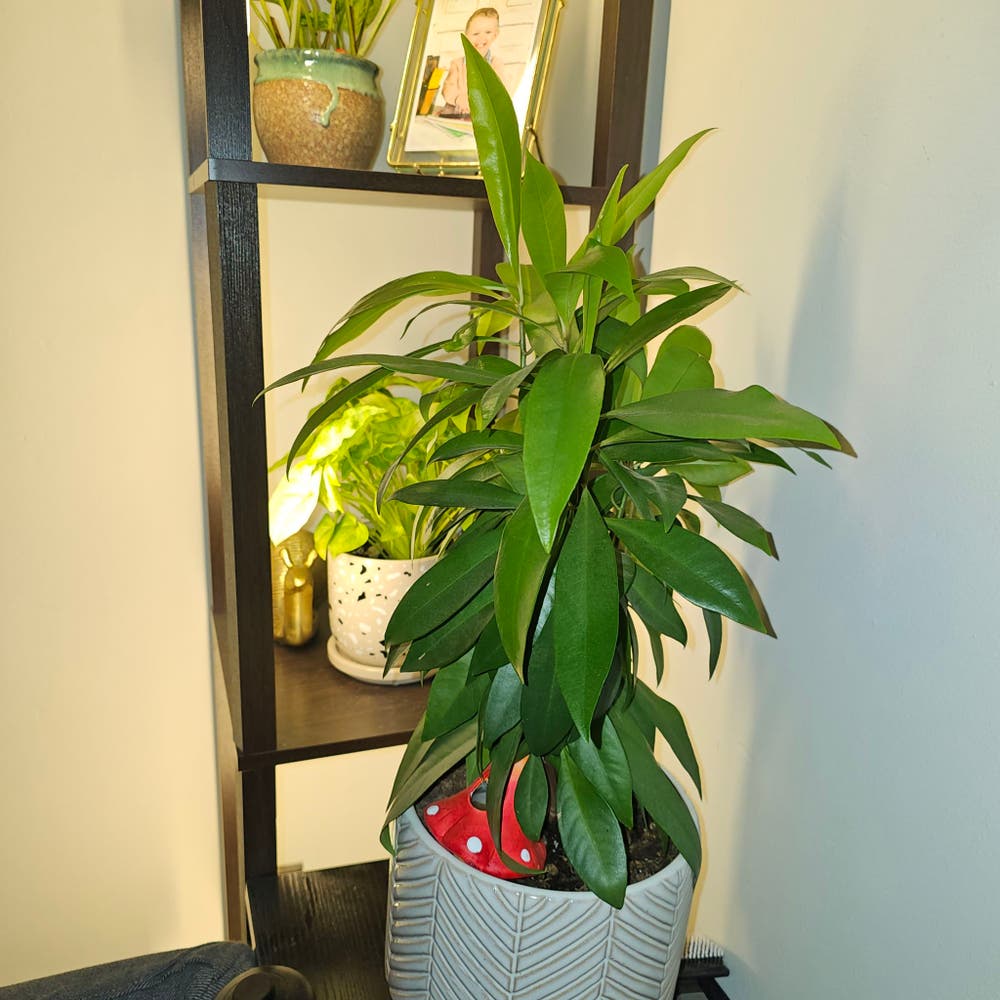
How to Cure Curling Leaves on Your Coralberry 🩹
Ardisia elliptica
By the Greg Editorial Team
Oct 18, 2024•5 min read
This article was created with the help of AI so we can cover more plants for you. May contain errors. See one? Report it here.
Revive your coralberry 🌱 by quickly diagnosing and treating curling leaves for a thriving plant!
- 🌱 Curling leaves indicate stress from pests, nutrients, or watering issues—act quickly!
- 💧 Maintain consistent soil moisture; use the finger test to avoid over/underwatering.
- 🌞 Coralberry thrives in full sun; ensure 6-8 hours of sunlight daily for optimal growth.
Causes of Curling Leaves
🌡️ Environmental Stress Factors
Temperature extremes can wreak havoc on your coralberry. The ideal range for healthy growth is between 60°F to 75°F (15°C to 24°C); anything outside this can lead to noticeable stress symptoms like leaf curling and discoloration.
Humidity also plays a crucial role. Coralberries thrive in humidity levels of 40% to 60%. When humidity dips too low, you may notice curling leaves and browning edges, signaling that your plant is struggling.
🥦 Nutrient Deficiencies
A nitrogen deficiency is another culprit behind curling leaves. Symptoms include yellowing leaves and stunted growth, which weaken the plant's structure and lead to curling.
Potassium deficiency can also cause issues. Look for marginal leaf burn and curling, as potassium is vital for water regulation and overall plant health.
🐜 Pest Infestations
Pests like aphids can significantly impact your coralberry. Signs include sticky residue (honeydew) and curled leaves, which indicate that the plant is weakening under their attack.
Spider mites are another concern. They leave fine webbing and stippled leaves in their wake, reducing the plant's vigor and causing further leaf curling.
🍄 Fungal Infections
Fungal infections, such as powdery mildew, can also lead to curling leaves. You might notice white, powdery spots on the leaves, which can signal a decline in overall plant health.
💧 Overwatering or Underwatering Issues
Overwatering is a common mistake that can lead to wilting, yellowing leaves, and even root rot. This poor root health often results in leaf curl.
On the flip side, underwatering can cause dry, crispy leaves and stunted growth. As the plant struggles to conserve moisture, curling becomes a visible symptom of distress.
Understanding these causes is essential for diagnosing and treating curling leaves effectively. With this knowledge, you can take proactive steps to restore your coralberry's health.
Diagnosing Curling Leaves
Identifying Symptoms 🌿
Curling leaves can be a distress signal from your coralberry. Look for visual indicators like curling edges, discoloration, and wilting, as these symptoms often point to underlying issues.
Early detection is crucial. Catching these signs early can prevent further damage and help your plant recover more effectively.
Differentiating Between Pest Damage and Environmental Stress 🐛
Understanding the source of the problem is key. For pest damage, inspect the underside of leaves for any visible pests and look for sticky residue or webbing.
On the other hand, environmental stress can be assessed by evaluating the overall condition of the plant and its surrounding environment. Factors like temperature and humidity play a significant role here.
Assessing Soil Moisture Levels 💧
Soil moisture is another critical factor in diagnosing leaf curl. You can check moisture levels using simple techniques, such as the finger test—just insert your finger 1-2 inches into the soil.
Alternatively, a soil moisture meter can provide accurate readings. Ideally, the soil should be consistently moist but not soggy.
Checking for Signs of Disease 🦠
Fungal infections can also lead to curling leaves. Conduct a visual inspection for any signs of fungal growth or discoloration on the leaves.
Early intervention is essential to prevent the spread of disease. Addressing these issues promptly can save your coralberry from further decline.
By diagnosing the problem accurately, you can take the necessary steps to restore your plant's health. Next, we'll explore effective treatment options to tackle these curling leaves head-on.
Treatment Options
🌱 Organic Pest Control Methods
When dealing with pests, neem oil is a fantastic option. Simply spray it on the affected areas every 7-14 days to keep those pesky invaders at bay.
Insecticidal soap is another effective method. Apply it as needed, following the label instructions for best results.
💧 Adjusting Watering Practices
Establishing a consistent watering schedule is crucial. Water your coralberry when the top inch of soil feels dry to the touch.
Deep watering techniques can encourage robust root growth, helping your plant thrive.
🌿 Fertilization Strategies
For optimal growth, consider using a balanced NPK fertilizer. Apply it every 4-6 weeks during the growing season to keep nutrient levels steady.
Watch for signs of improvement, such as new growth and healthier leaves, as indicators that your efforts are paying off.
✂️ Pruning Affected Leaves
Pruning is essential when you notice the first signs of curling. Use clean, sharp pruning shears to make precise cuts.
Aim to cut just above a healthy leaf node, promoting better overall plant health.
🦠 Applying Fungicides
If fungal infections arise, consider organic fungicides like sulfur-based or copper options. Apply them at the first sign of infection, adhering to the label instructions for effective treatment.
By implementing these treatment options, you can help your coralberry recover and flourish. Next, let’s explore some preventative measures to keep your plant healthy in the long run.
Preventative Measures
Best Practices for Care 🌱
Maintaining a regular watering schedule is crucial for your Coralberry. Aim for consistent moisture without overwatering, as this helps prevent stress and curling leaves.
Fertilization is equally important. Using slow-release fertilizers ensures that your plant maintains adequate nutrient levels throughout its growing season.
Ideal Growing Conditions ☀️
Your Coralberry thrives in full sun to partial shade, requiring about 6-8 hours of sunlight daily. This optimal light exposure promotes healthy growth and vibrant foliage.
Soil quality matters too. Ensure you have well-draining, moist soil with a pH between 6.0 and 7.0 for the best results.
Regular Monitoring 🔍
Make it a habit to inspect your Coralberry weekly for pests and symptoms of distress. Early detection is key to preventing larger infestations that could harm your plant.
Regular checks can save you time and effort in the long run, keeping your Coralberry healthy and thriving.
Seasonal Care Tips 🍂
In spring, focus on fertilizing and pruning as needed to encourage new growth. This is the perfect time to give your plant a fresh start.
During summer, keep an eye out for pests and adjust your watering practices accordingly.
As fall approaches, clean up any debris around your Coralberry to prevent overwintering pests. This simple step can make a significant difference in your plant's health come spring.
By following these preventative measures, you’ll set your Coralberry up for success, ensuring it remains vibrant and resilient against curling leaves.
⚠️ Safety First
This content is for general information and may contain errors, omissions, or outdated details. It is not medical, veterinary advice, or an endorsement of therapeutic claims.
Always consult a qualified healthcare professional before using any plant as food, medicine, or supplement.
Never eat any plant (or feed one to pets) without confirming its identity with at least two trusted sources.
If you suspect poisoning, call Poison Control (800) 222-1222, the Pet Poison Helpline (800) 213-6680, or your local emergency service immediately.
Spotted an error? Please report it here.
Transform your coralberry's curling leaves into lush growth 🌿 by using Greg's tailored care reminders and pest alerts to keep your plant thriving and vibrant!