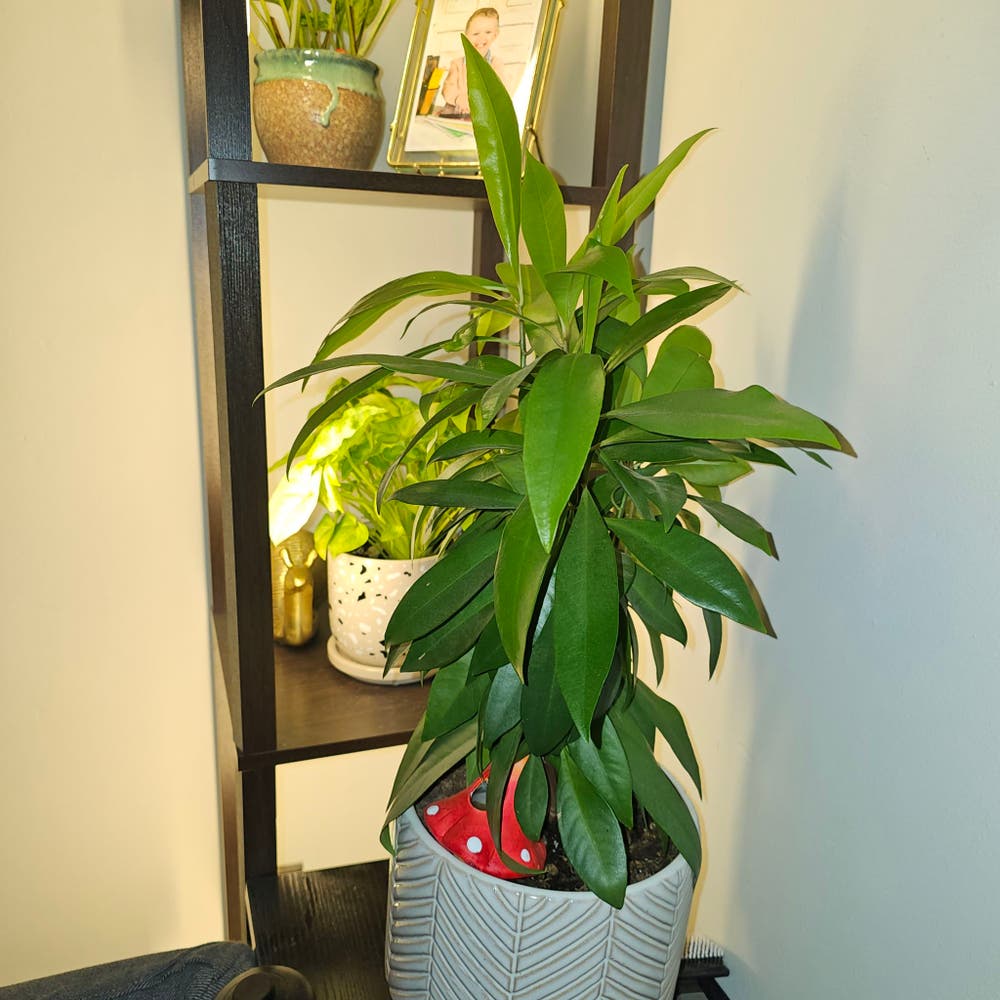
What to Do About Yellow Leaves on Your Coralberry 🌊
Ardisia elliptica
By the Greg Editorial Team
Oct 18, 2024•6 min read
This article was created with the help of AI so we can cover more plants for you. May contain errors. See one? Report it here.
Transform your Coralberry's health by tackling the causes of yellow leaves! 🌱
- 🌱 Yellow leaves indicate nutrient deficiencies, especially nitrogen and iron.
- 💧 Overwatering and underwatering both cause yellowing; balance is key!
- 🐛 Pests and diseases like aphids and mildew can also lead to yellow leaves.
Causes of Yellow Leaves
🌱 Nutrient Deficiencies
Nitrogen Deficiency
Yellowing of older leaves and stunted growth are clear signs of nitrogen deficiency. This nutrient is vital for chlorophyll production, which is essential for the plant's green color and overall health.
Iron Deficiency
If you notice yellowing between leaf veins while the veins themselves remain green, your Coralberry may be suffering from iron deficiency. Iron plays a crucial role in photosynthesis and maintaining plant vitality.
💧 Overwatering and Root Rot
Signs of Overwatering
Overwatering can lead to yellowing leaves, wilting, and mushy roots. These symptoms indicate that the plant is not thriving due to excess moisture.
Root Rot
Fungal pathogens thrive in waterlogged conditions, leading to root rot. To prevent this, ensure your Coralberry is planted in well-drained soil and follow proper watering techniques.
🌵 Underwatering and Drought Stress
Signs of Underwatering
If your Coralberry displays yellowing leaves, crispy edges, and drooping, it may be underwatered. Consistent moisture is crucial, especially during dry seasons.
Impact on Coralberry
Coralberry thrives with regular watering, making it essential to monitor moisture levels closely. Drought stress can significantly affect its health and appearance.
🐛 Pests Affecting Coralberry
Common Pests
Aphids and spider mites are common pests that can harm your Coralberry. Look for curled leaves and sticky residue from aphids, or fine webbing and stippled leaves from spider mites.
Impact on Plant Health
Pests weaken plants, leading to yellowing leaves and overall decline. Regular inspections can help catch these issues early.
🦠 Diseases
Fungal Infections
Fungal infections can manifest as yellowing leaves, wilting, and potential leaf drop. Common diseases affecting Coralberry include powdery mildew and root rot, both of which require prompt attention.
Understanding these causes is the first step in addressing yellow leaves on your Coralberry. By identifying the underlying issues, you can take effective action to restore your plant's health. Next, we’ll explore how to diagnose yellow leaves accurately.
Diagnosing Yellow Leaves
👀 Visual Signs to Look For
When diagnosing yellow leaves on your Coralberry, start by observing the leaf color. General yellowing may indicate nutrient deficiencies, while specific patterns, like yellowing between the veins, can point to iron deficiency.
Next, assess the leaf texture. Wilting, crispiness, or softness can signal various issues, from underwatering to disease.
🧪 Soil Testing for pH and Nutrients
To ensure your Coralberry thrives, conduct a soil test. Use a soil test kit to determine both pH and nutrient levels.
Aim for a pH range of 6.0 to 7.0, as this is optimal for Coralberry growth. Proper soil conditions can significantly impact plant health.
🐛 Checking for Pests and Diseases
Inspect your Coralberry for pests and diseases. Examine the undersides of leaves and stems for any signs of infestation.
Look for symptoms like spots or mold, which can indicate disease. Early detection is key to preventing further damage.
💧 Assessing Watering Practices
Evaluate your watering practices to ensure your Coralberry receives adequate moisture. Check if the soil feels soggy or dry, as both extremes can lead to yellowing leaves.
Signs of improper watering include soggy soil or dry, cracked earth. Adjust your watering routine based on these observations to keep your plant healthy.
By diagnosing these issues early, you can take proactive steps to restore your Coralberry's vibrant health. Next, we’ll explore effective solutions to address yellow leaves and promote robust growth.
Solutions for Yellow Leaves
🌊 Adjusting Watering Practices
Watering is crucial for Coralberry health. Aim for a deep but infrequent watering schedule, providing 1-2 inches of water per week.
To ensure proper hydration, check that the soil remains moist without becoming waterlogged. This balance is key to preventing yellow leaves.
🌱 Fertilization Techniques
Fertilization can significantly impact your Coralberry's vitality. Use a balanced fertilizer with an N-P-K ratio, such as 10-10-10, to provide essential nutrients.
Timing is also important; apply fertilizer in early spring and again in mid-summer for optimal growth.
🐛 Pest Control Methods
Pests can wreak havoc on your Coralberry, leading to yellowing leaves. Consider organic options like neem oil or insecticidal soap, which are effective and environmentally friendly.
If necessary, targeted chemical pesticides can be used as a last resort. Always prioritize the health of your plants.
🦠 Disease Management Strategies
Preventing diseases is essential for maintaining healthy Coralberry. Ensure good air circulation around your plants and avoid overhead watering to minimize fungal infections.
If you notice signs of disease, promptly remove affected leaves and apply fungicides as needed. Quick action can save your plant.
✂️ Pruning Affected Leaves
Pruning is a proactive way to manage yellow leaves. Remove any yellowing or diseased foliage during the growing season to encourage new growth.
Always use clean, sharp tools to prevent the spread of diseases. This simple step can make a big difference in your plant's health.
With these solutions in hand, you can effectively tackle yellow leaves on your Coralberry. Next, let’s explore how to prevent these issues from arising in the first place.
Preventing Yellow Leaves
🌱 Best Practices for Coralberry Care
Regular monitoring is key to keeping your Coralberry healthy. Check for signs of stress, pests, or diseases frequently to catch issues early.
Proper spacing between plants is essential for good air circulation. This simple step can significantly reduce the risk of fungal infections and promote overall plant health.
🌿 Ideal Soil Conditions and Amendments
Coralberry thrives in well-drained, loamy soil. This type of soil provides the right balance of moisture retention and drainage.
To enhance soil quality, consider adding organic matter. This improves soil structure and boosts nutrient content, giving your Coralberry the best chance to flourish.
🌸 Seasonal Care Tips
In spring, it’s time to fertilize and prune as needed. This helps rejuvenate the plant after winter and prepares it for the growing season.
During summer, keep an eye out for pests and ensure consistent watering. Coralberry needs regular moisture, especially in hotter months.
As fall approaches, prepare your plants for winter. Mulching and reducing watering can protect roots and help them survive the colder months.
🔍 Monitoring and Maintenance Routines
Schedule monthly inspections for pests and diseases. Regular checks can prevent small issues from becoming big problems.
Utilize tools like the Greg plant care app for AI-powered reminders on watering and fertilization. Staying organized can make a world of difference in maintaining healthy Coralberry.
By following these preventive measures, you can enjoy vibrant Coralberry plants year-round. Next, let’s dive into diagnosing yellow leaves to address any existing issues effectively.
⚠️ Safety First
This content is for general information and may contain errors, omissions, or outdated details. It is not medical, veterinary advice, or an endorsement of therapeutic claims.
Always consult a qualified healthcare professional before using any plant as food, medicine, or supplement.
Never eat any plant (or feed one to pets) without confirming its identity with at least two trusted sources.
If you suspect poisoning, call Poison Control (800) 222-1222, the Pet Poison Helpline (800) 213-6680, or your local emergency service immediately.
Spotted an error? Please report it here.
Keep your Coralberry vibrant and healthy 🌿 by using Greg's tailored reminders to tackle yellow leaves caused by nutrient deficiencies or watering issues—stay proactive and watch your plant thrive!