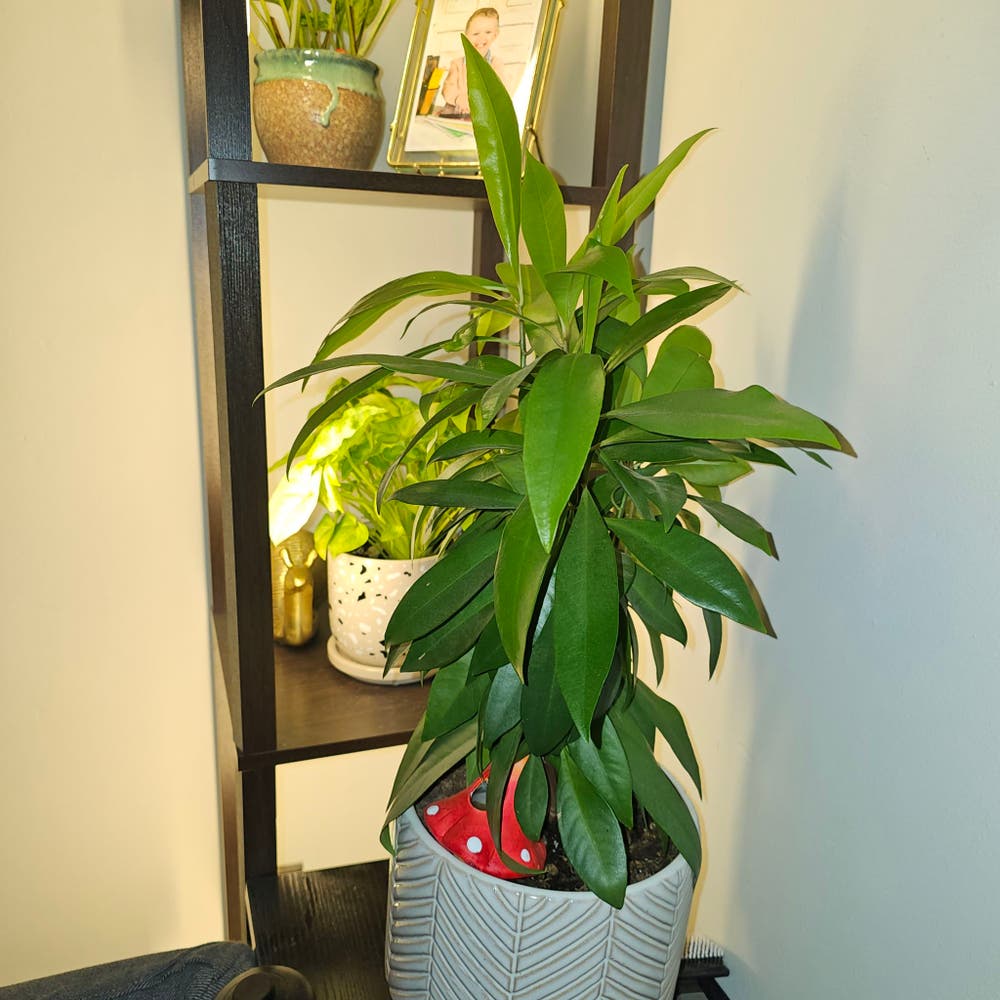
Light Requirements For Your Shoebutton by Season
Ardisia elliptica
By the Greg Editorial Team
Jun 17, 2024•4 min read
This article was created with the help of AI so we can cover more plants for you. May contain errors. See one? Report it here.
Nurture your Shoebutton to perfection 🌿 with savvy seasonal light adjustments! 🌞🌛
- Spring sun kickstarts growth, place within 3 feet of a window.
- Summer requires dappled light, avoid leaf burn with morning sun.
- Use grow lights in winter to compensate for limited natural light.
Spring Sunshine Strategies
🌞 Welcoming Growth with Gentle Rays
- Ideal light conditions for spring are about balance. Position your Shoebutton within 3 feet of a window to soak in the mild sun.
- Longer days bring more than just warmth; they signal your Shoebutton to kickstart growth. It's like flipping the switch from 'hibernate' to 'high gear.'
🌸 Flower Power: Does Light Trigger Blooms?
- Spring light does more than just brighten leaves; it's a green light for flowering. Ensure consistent lighting to encourage your Shoebutton to strut its stuff.
- If your Shoebutton is playing hard to get with its blooms, consider a lighting shuffle. A move to a spot with dappled sunlight might just be the nudge it needs.

Summer Light Balancing Act
🌞 Avoiding the Scorch: Protecting Shoebutton from Harsh Sun
In the summer heat, Shoebutton plants can quickly go from sun-kissed to sun-scalded. Adjusting outdoor light exposure is crucial to prevent leaf burn. Position them where they'll receive morning sunlight and dappled afternoon shade, perhaps under a tree or behind a sheer curtain. Rotating the plant ensures all sides receive equal light, preventing lopsided growth and burn.
🏡 Indoor Oasis: Finding the Sweet Spot for Light
Indoors, your Shoebutton should avoid the midday glare. East or north-facing windows are ideal, bathing it in bright but indirect light. If a south or west window is your only option, pull back with a sheer curtain or place the plant a few feet away from the window. Remember, the goal is a luminous lounge, not a desert disco. Keep an eye out for signs of distress and be ready to shuffle your green friend to a better spot if needed.

Autumn Illumination Adjustments
🌅 Prepping for the Light Shift
As autumn rolls in, shorter days mean less natural light for your Shoebutton. It's time to get proactive. Gradually move your plant closer to the brightest windows, but avoid direct sun that can still be harsh in early fall. Think of it as a plant's version of stretching before a workout—necessary to prevent injury.
💡 Keeping the Glow Alive Indoors
Indoor lighting becomes your Shoebutton's best friend as days shorten. Rotate the plant regularly to ensure even growth; it's like turning a rotisserie chicken for that perfect golden-brown, minus the heat. If your windows are starting to resemble a dimly lit diner, consider grow lights. They're the plant equivalent of a caffeine boost—pick one that mimics natural light and watch your Shoebutton perk up. Use timers to maintain a consistent light schedule, because plants, much like us, thrive on routine.

Winter Light Woes and Wins
⛅️ Combatting the Gloom: Maximizing Limited Light
In the darkest season, ensuring your Shoebutton plant gets enough light is crucial. The sun's vacation can spell gloom for your green buddy, but fear not. Rotate your plant regularly to give all sides equal time in the spotlight. If natural light is as scarce as a snowman in the Sahara, it's time to bring in the big guns: artificial grow lights. These can help maintain consistent growth and prevent the issues associated with low light levels, like etiolation or a general case of the plant blues.
💡 Grow Lights: The Winter Blues Antidote
Choosing the right grow light is like picking the perfect pair of sunglasses – it needs to fit just right. LEDs are the way to go; they're energy-efficient and won't turn your electricity bill into a horror story. Place them a few inches above your Shoebutton, ensuring the light is bright but not a plant-scorching laser beam. Use timers to mimic the natural rhythm of day and night, because even plants need their beauty sleep. Remember, it's about quality, not just quantity. Too much artificial light can be like a never-ending day at the disco – exhausting and potentially harmful.
⚠️ Safety First
This content is for general information and may contain errors, omissions, or outdated details. It is not medical, veterinary advice, or an endorsement of therapeutic claims.
Always consult a qualified healthcare professional before using any plant as food, medicine, or supplement.
Never eat any plant (or feed one to pets) without confirming its identity with at least two trusted sources.
If you suspect poisoning, call Poison Control (800) 222-1222, the Pet Poison Helpline (800) 213-6680, or your local emergency service immediately.
Spotted an error? Please report it here.
Let your Shoebutton plant bask in the seasonal glow 🌞 with ease, as Greg guides you to the ideal spot and reminds you when it's time for a light adjustment.