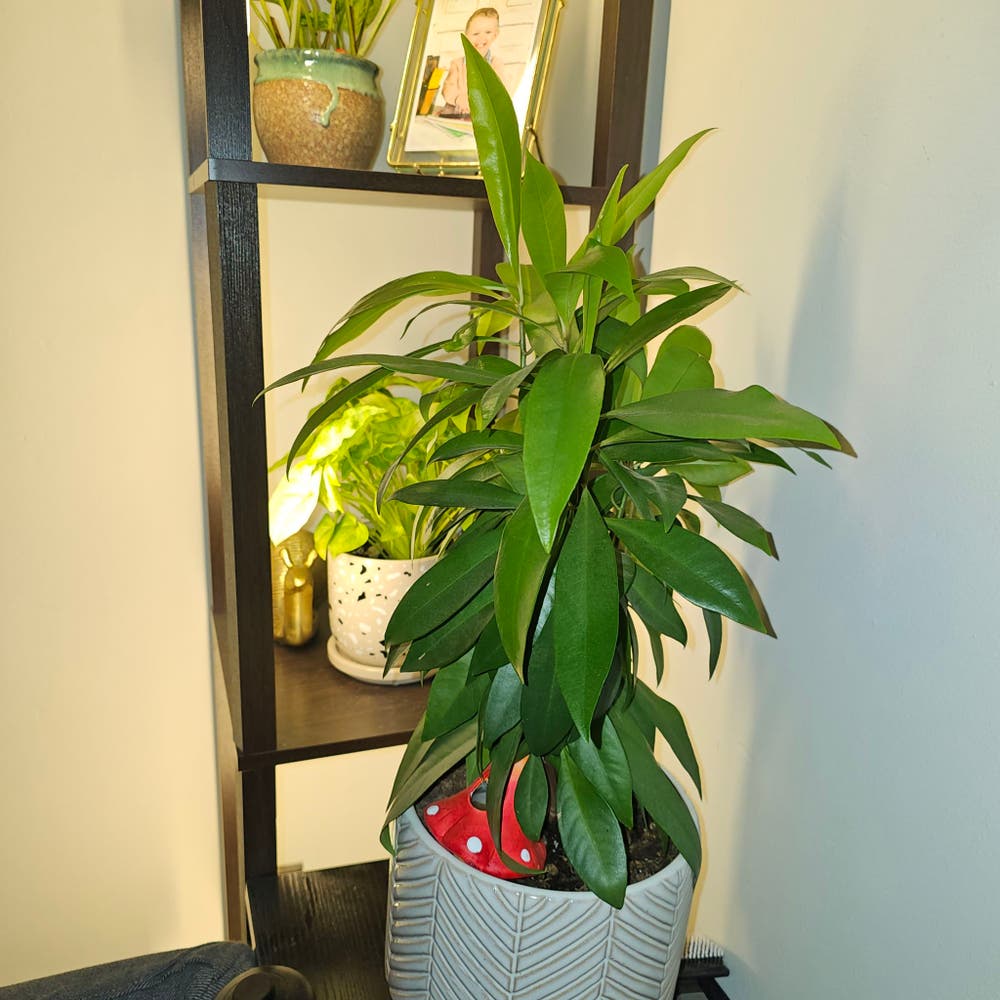
What Are The Bugs on My Shoebutton?
Ardisia elliptica
By the Greg Editorial Team
Jun 17, 2024•11 min read
This article was created with the help of AI so we can cover more plants for you. May contain errors. See one? Report it here.
Shield your Shoebutton's beauty 🌿 from tiny terrors with these essential pest management tips!
- Spider mites and scale insects: Look for yellowing leaves, webs, and bumps.
- Fungus gnats, fruit flies, mealybugs: Prevent with dry soil, remove with alcohol.
- Aphids, whiteflies: Treat with soapy water, introduce predators, and use sticky traps.
Identifying and Treating Spider Mites on Shoebutton
🕷 Signs of Spider Mite Infestation
Spider mites are tiny terrorists that can launch a full-scale invasion on your Shoebutton plant. Yellowing leaves or a silvery, stippled appearance are your first red flags. If you're squinting to see them, grab a magnifying glass and look for delicate webs, especially under the leaves. These critters are so small they could be partying on a dot at the end of this sentence.
🚨 Immediate Action Steps
Once you've spotted the signs, isolate your plant faster than a sneeze in a silent room. Prune the infested areas with the precision of a ninja, and remember, those webs and mites are not souvenirs—dispose of them like last year's fashion.
🚿 Shower Power
Give your plant a shower—yes, you heard that right. A gentle blast of water can send those mites packing. Focus on the underside of leaves where they love to hang out. It's like a surprise water balloon fight for them, and they hate it.
🦟 Natural Predators
Predatory mites are like the bouncers at the club of your Shoebutton plant. Introduce Phytoseiulus persimilis, and watch them take out the spider mite riffraff. It's a bug-eat-bug world, and we're just living in it.
☠️ Chemical Warfare
If things are looking dire, insecticidal soap is your trusty sidekick. It's like throwing a wrench in the spider mites' plans—effective and satisfying. For a more stealthy approach, systemic treatments enter the scene. They're the undercover agents that protect from the inside out.
🚫 Prevention is Key
Keep your Shoebutton plant clean and dust-free. Spider mites are like guests that won't leave because they love your dusty leaves. Wipe them down regularly, and keep the watering on point to avoid water stress. It's like telling the mites the party's over before it even starts.
Remember, these spider mites are more persistent than a popcorn kernel in your teeth. Stay vigilant, and your Shoebutton will thank you with growth and vigor, minus the eight-legged freeloaders.

Scale Insects: Shoebutton's Hidden Enemy
🕵️ Spotting the Pests
Scale insects are masters of disguise. On your Shoebutton, look for brown or tan bumps along the stems and the undersides of leaves. These bumps are the scale's protective covering. If you notice a sticky residue, known as honeydew, on the leaves or beneath the plant, it's a telltale sign of a scale infestation.
🛡️ Effective Eradication Methods
Isolation is your first line of defense. Move the infested Shoebutton away from other plants to prevent the spread. Next, physically remove the scales using a toothbrush or a Q-tip dipped in rubbing alcohol. For stubborn adults, apply slight pressure. After manual removal, rinse the plant to wash away any stragglers.
🌿 Biological Controls
Introduce natural predators like ladybugs or lacewings into your indoor garden. These beneficial insects can help control the scale population.
🧪 Chemical Treatments
If the infestation persists, consider using insecticidal soaps or neem oil. Apply these treatments sparingly, focusing on infested areas. Repeat applications may be necessary, as scales are resilient and may have laid eggs.
🌱 Cultural Practices
Prevent future infestations by keeping your Shoebutton healthy and stress-free. Proper watering, adequate light, and regular inspection are crucial. A healthy plant is less likely to succumb to scale and other pests.
Remember, when battling scale insects, persistence and attention to detail are key. Keep a vigilant eye and act quickly at the first sign of these sneaky pests.

Fungus Gnats and Fruit Flies: Preventing Soil Pests
🕵️ Identifying Fungus Gnat and Fruit Fly Activity
Fungus gnats and fruit flies can turn your Shoebutton plant's soil into a buzzing circus. Spot these pests by their hovering presence around the soil or plants. Fungus gnats are the tiny black flies with a penchant for moist soil, while fruit flies prefer the sweet decay of overripe fruit. Look out for the gnat's larvae too, which love to munch on organic matter in the soil.
🌱 Soil Management Practices
Dry out the soil surface between waterings to discourage gnat larvae, which thrive in a damp environment. A well-draining potting mix is your first line of defense, preventing water from pooling and creating a gnat nursery.
Keeping It Clean
Remove plant debris regularly; it's like taking out the trash to avoid attracting pests. Inspect new plants with a detective's eye before they join your collection, ensuring you're not importing a mini ecosystem of unwanted guests.
Trapping and Natural Predators
Yellow sticky traps are the flypaper for the gnat world, snagging adults mid-flight. Introduce beneficial nematodes or predatory mites to the soil, and watch them work their pest-eating magic.
Chemical-Free Solutions
For those who prefer a non-toxic approach, a hydrogen peroxide solution can be a soil drench that's tough on larvae but gentle on plants. Remember, over-fertilizing is like setting out a buffet for these pests, so keep it to what's necessary for the plant.
Sand as a Barrier
A layer of sand on top of the soil can act as a scratchy deterrent, breaking the life cycle of gnats by keeping the top layer inhospitable.
Watering Wisely
Less is more when it comes to watering. Let the soil go a bit thirsty to make gnats seek hydration elsewhere.
Sticky Situations
Sticky traps are not just effective; they're a satisfying way to see the results of your anti-gnat campaign.
Biological Warfare
Nematodes are like the special ops of the insect world, targeting gnat larvae without collateral damage to your Shoebutton.
By staying vigilant and employing these strategies, you can keep your Shoebutton plant's soil free of the nuisance of fungus gnats and fruit flies, ensuring your green companion thrives without the buzzkill.

Mealybugs: The Cottony Curse of Shoebutton
Spotting mealybugs on your Shoebutton plant is like finding uninvited guests at a party – annoying and potentially harmful. These pests, resembling tiny cotton clusters, target the tender parts of your plant, sapping its vitality.
🕵️ Early Detection
Check beneath leaves and around new growth for telltale white fluff. Mealybugs love these spots. Ignoring them means risking a full-blown infestation, as these critters breed faster than bunnies in spring.
🚨 Immediate Action
Upon discovery, isolate the affected plant. It's like putting your Shoebutton in a time-out corner, but for its own good. This prevents the mealybugs from spreading their cottony chaos to your other green friends.
👋 Physical Removal
Don a pair of gloves and get ready to evict these pests. Use a cotton swab dipped in rubbing alcohol to wipe them out. It's a hands-on approach that's oddly satisfying – you're literally picking off the bad guys.
🐞 Natural Predators
Introduce natural enemies like ladybugs or lacewings. These beneficial insects are like the superheroes of your garden, swooping in to save the day and devour mealybugs.
🌿 Organic Treatments
Neem oil is a go-to for many gardeners. It's like a Swiss Army knife for plant care – versatile and effective. Apply it as directed, ensuring you reach those sneaky spots where mealybugs hide.
🛡️ Persistent Problems
If the infestation is more stubborn than a stain on your favorite shirt, consider insecticidal soap. It's a stronger line of defense that can help reclaim your Shoebutton from the cottony curse.
Remember, vigilance is key. Regularly inspect your Shoebutton, because when it comes to mealybugs, an ounce of prevention is worth a pound of cure.
Aphids: Safeguarding Shoebutton's New Growth
Aphids are sap-suckers that love to feast on the new shoots of your Shoebutton plant. Vigilance is key; look for clusters of small, black insects and a sticky residue known as honeydew on the young leaves.
🕵️ Recognizing Aphid Presence
Shiny leaves may be your first clue. This glossiness is due to the honeydew aphids excrete. If left unchecked, a black sooty mold can develop, further harming the plant.
🛡️ Aphid Control Techniques
Isolation is your first line of defense. Separate the infested plant to prevent the aphids from spreading.
Physical Removal
- Wipe off the aphids with a soft cloth soaked in soapy water.
- For more stubborn cases, a diluted isopropyl alcohol spray can be effective.
Pruning
Sometimes, it's best to cut your losses—literally. Trim back the worst-affected growth and dispose of it properly to prevent reinfestation.
Chemical Solutions
If natural methods don't cut it, consider horticultural soaps. These are designed to target pests without harming your plant. Always follow the manufacturer's instructions to the letter.
Preventative Measures
Keep aphids at bay with regular inspections of new growth. Introduce beneficial insects like ladybugs, which are natural predators of aphids, to maintain a balanced ecosystem around your Shoebutton.
Whiteflies: Keeping Shoebutton Leaves Unblemished
Identifying whitefly damage is crucial for maintaining the health of your Shoebutton plant. Look for tell-tale signs such as a sticky residue known as honeydew, yellowing leaves, and a cloud of tiny white insects when the plant is disturbed.
🕵️ Spotting the Damage
Whiteflies suck sap from the leaves, causing them to wilt and yellow. They can also lead to sooty mold growth on leaves due to the honeydew they excrete. Vigilance is key; the sooner you spot them, the better.
🚨 Immediate Actions
Upon detection, isolate your Shoebutton to prevent the whiteflies from spreading to other plants. Remove any heavily infested leaves to curb their numbers.
🌿 Organic Remedies
For a non-toxic approach, introduce natural predators like ladybugs, or use a soapy water spray to suffocate the whiteflies. Sticky yellow traps can also be effective in reducing adult populations.
☣️ Chemical Controls
If the infestation is severe, you might need to resort to insecticides. Choose products specifically designed for whiteflies and apply as directed, usually in the evening to avoid harming beneficial insects.
🚫 Prevention
Prevent future invasions by inspecting new plants for whiteflies before introducing them to your space. Regularly check your Shoebutton for early signs of pests and maintain good air circulation around your plants.
Remember, consistency is your ally in the battle against whiteflies. Repeat treatments may be necessary to completely eradicate these persistent pests from your Shoebutton plant.
Tailored Pest Management for Shoebutton
Shoebutton plants, with their tropical origins, are not immune to the scourge of pests. Implementing a customized pest management strategy is crucial for their health and vitality.
🐞 Understanding Shoebutton's Predicaments
Spider mites and scale insects are the usual suspects, but each pest demands a unique battle plan. Knowing your enemy is half the battle, and with Shoebutton, it's no different.
🌿 Biological Controls: Nature's Hitmen
Ladybugs and lacewings are not just pretty faces; they're voracious predators of aphids and other soft-bodied pests. Introducing these biological hitmen can keep pest populations under control. For the more tenacious pests, like scale insects, a soft brush and some patience can work wonders for physical removal.
🌱 Cultural Practices: The First Line of Defense
Well-draining soil is non-negotiable. Overwatering is like sending out invites to a fungus gnat party. Keep the soil on the drier side to avoid unwanted guests. Regular pruning of Shoebutton plants not only keeps them looking sharp but also removes potential pest hideouts.
🦟 Chemical Warfare: The Last Resort
When push comes to shove, and pests are throwing a rave on your Shoebutton, neem oil might just be the bouncer you need. It's effective against a broad range of pests and is less toxic than a full-blown chemical apocalypse. Remember, always test on a few leaves before going all-in.
🔄 Consistency: The Secret Sauce
Whether you're unleashing predatory insects or wiping down leaves, consistency is key. Pests are like bad habits; turn your back for a second, and they're back with a vengeance.
🌿 Integrated Pest Management (IPM): The Big Picture
Combining cultural, biological, and chemical methods, IPM is the holistic approach that Shoebutton deserves. It's about being smart, not just strong, in the fight against pests.
🔍 Pro Tip: Stay Vigilant
Regular inspections are not just a chore; they're a ritual. Catching pests early can mean the difference between a minor annoyance and a full-blown infestation. Keep those peepers peeled!
🌿 The Takeaway
Tailoring your pest management to the specific needs of Shoebutton plants is not just smart gardening; it's a sign of respect for these resilient beauties. With the right combination of tactics, your Shoebutton will thrive, pest-free.
Proactive Prevention of Pests on Shoebutton
In the battle against pests, prevention is your Shoebutton's armor.
🕵️♂️ Routine Care Tips
Inspect your Shoebutton regularly; pests love a good surprise party, and you're not invited. Keep the leaves clean—think of it as a spa day for your plant, minus the cucumber slices. Overwatering is a no-go; soggy soil is a VIP lounge for fungus gnats.
🚨 Quarantine New Plants
New Shoebutton on the block? Quarantine it. You wouldn't skip the meet-and-greet with a new neighbor, so don't skip this step. It's not being rude, it's being cautious. Inspect new additions like a detective at a crime scene—look for sticky residue, odd spots, or uninvited guests.
🔍 Inspection Protocols
Got a magnifying glass? Get up close and personal with your Shoebutton. If you spot any pests, isolate the plant faster than you'd unfriend someone oversharing on social media. Use a disinfectant on your tools; think of it as hand sanitizer for your pruners.
🌿 Preventing Infestations
Humidity and cleanliness are your plant's BFFs. Avoid the "set it and forget it" mentality—your Shoebutton's health is a daily commitment. And remember, the best offense is a good defense; keep your Shoebutton happy and pests will swipe left.
⚠️ Safety First
This content is for general information and may contain errors, omissions, or outdated details. It is not medical, veterinary advice, or an endorsement of therapeutic claims.
Always consult a qualified healthcare professional before using any plant as food, medicine, or supplement.
Never eat any plant (or feed one to pets) without confirming its identity with at least two trusted sources.
If you suspect poisoning, call Poison Control (800) 222-1222, the Pet Poison Helpline (800) 213-6680, or your local emergency service immediately.
Spotted an error? Please report it here.
Eradicate invaders and maintain a pest-free paradise 🐞 with Greg's tailored care reminders that include proactive pest prevention tips for your Shoebutton!