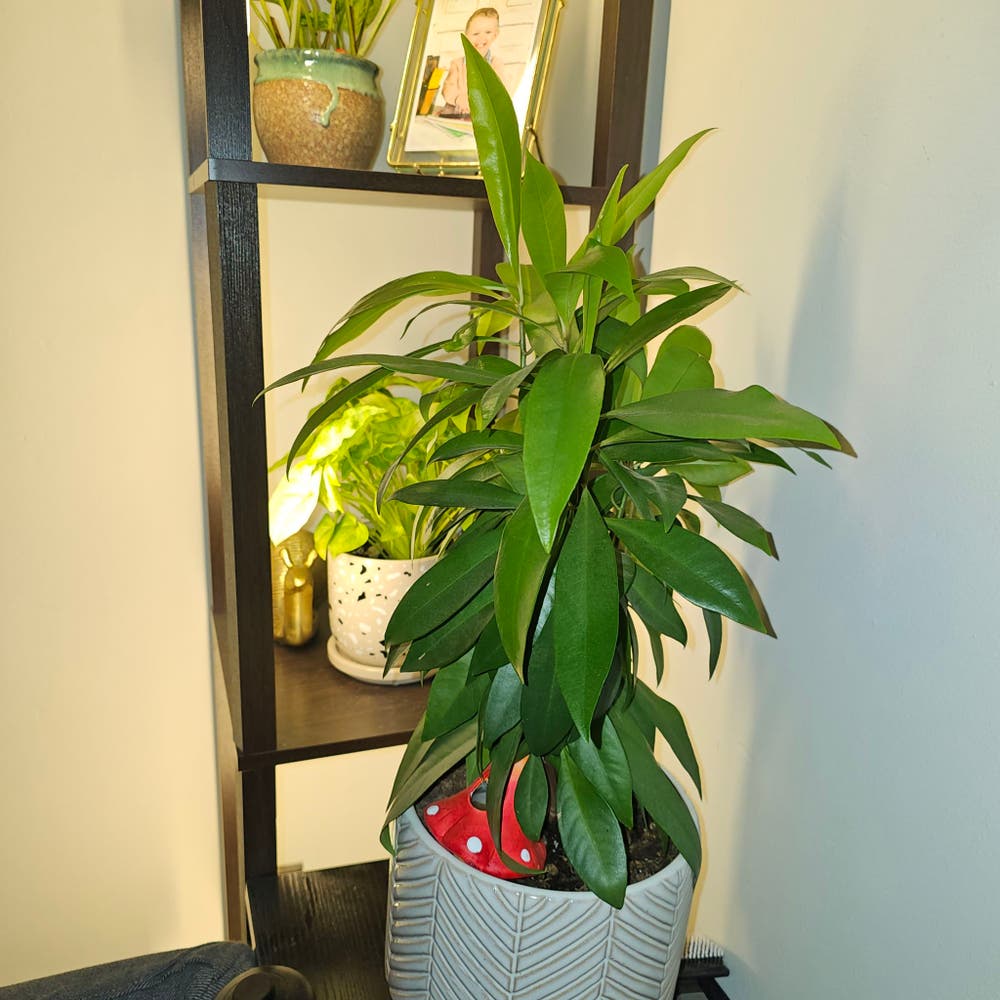
Propagating Your Shoebutton: Step-by-Step Guide
Ardisia elliptica
By the Greg Editorial Team
Jun 17, 2024•7 min read
This article was created with the help of AI so we can cover more plants for you. May contain errors. See one? Report it here.
Propagate Shoebutton plants 🌿 effortlessly with our step-by-step guide to greener growth!
- 🌱 Choose semi-hardwood stems for successful stem cutting propagation.
- 💧 Regular water changes are crucial for water propagation technique.
- ✂️ Sterilize tools, use rooting hormone, and watch for propagation pitfalls.
Snip & Plant: Stem Cutting Method
🌱 Choosing Your Champion: Selecting the Best Stems for Propagation
Selecting the right stem is crucial; it's like picking the best athlete for your team. Look for semi-hardwood stems, about 4-6 inches long, that scream health and vitality. Ensure they're free from disease and pests—only the best for your Shoebutton squad.
🛠 Prepping Your Cuttings: From Snipping to Dipping in Rooting Hormone
Once you've eyed your MVP, it's time for action. Sterilize your tools—think surgeon-clean. Snip just below a leaf node, at an angle, to maximize the area that will soon be bustling with roots. Before you plant, give your cuttings a dip in rooting hormone; it's like a pre-game pep talk for root growth.
🌱 Planting Your Future Shoebutton: Soil and Care for Rooting Success
Now, let's get down and dirty. Plant your stem cuttings in moist, well-draining soil—think of it as a cozy bed for your future Shoebuttons. Patience is your new best friend; keep the soil damp but not waterlogged. In a few months, when roots start to peek out, you'll know it's time for the next big step in their growth journey.

Dive In: Water Propagation Technique
💦 The Water Way: Preparing Your Cuttings for a Swim
Diving into water propagation is like hitting the refresh button on your plant parenting journey. Snip a healthy stem from your Shoebutton plant, ensuring it's a few inches long with several leaf nodes. Strip off any leaves that might end up underwater to prevent rot. Grab a clear glass container and fill it with room-temperature, filtered water—tap water can be a shock to their delicate systems. Submerge the cut end of the stem, but keep those leaves high and dry.
🔍 Root Watch: Changing Water and Spotting Root Growth
Now, play the waiting game. Change the water every couple of days to keep it oxygen-rich and algae-free. If you notice a slimy film on the roots—yuck—give them a gentle rinse. Keep your cuttings in a spot with indirect sunlight; direct rays are a no-no, as they can cook your roots. Patience is your friend here; roots can be shy and take their sweet time to emerge.
🌱 Making the Move: When and How to Transition to Soil
Once your roots look like they've hit the gym—robust and a couple of inches long—it's time to transition to soil. Choose a pot that's snug enough to give your roots a sense of security without drowning them in excess soil. Use a well-draining potting mix to avoid waterlogged roots. Plant your rooted cutting, water it with the same TLC you'd show a delicate pastry, and provide a balanced fertilizer to kickstart its growth in its new home. Remember, overwatering is the fast track to root rot city, so keep it balanced.

Multiply with Division: Separating Shoebutton Plants
🌱 The Division Dance: When and How to Divide Your Shoebutton
Dividing your Shoebutton plant isn't just about multiplying your green friends—it's a plant party where everyone leaves with a goody bag. Timing is crucial; spring or early summer gives your divisions the whole growing season to establish. Water the plant a day before to make the roots more flexible. Gently slide the plant out of its pot and brush off excess soil. Look for natural separations in the root ball, and if the plant's tight-lipped, use a clean, sharp knife to divide it. Ensure each new plant has a solid root system and a few leaves to photosynthesize.
🌿 Rooting for Success: Ensuring Each Division Thrives
After the split, it's time to root for your team. Plant each division in fresh, well-draining soil, keeping them at their original depth. Water them in and place in a spot with bright, indirect light. Don't expect a Broadway show immediately—new growth might take a while as the divisions settle in. Keep the soil moist but not soggy, and resist the urge to fertilize until you see new growth.
🏡 Homecoming: Potting and Caring for Your New Shoebutton Babies
Once you've potted your divisions, it's like a housewarming for your Shoebutton babies. They'll need some time to acclimate to their new pots. Keep an eye on the moisture level and be patient; these little ones are building their strength. As they grow, you'll see the fruits of your labor—a lush, leafy expansion of your indoor jungle. And hey, maybe share the Shoebutton love with friends; plants make the best housewarming gifts, after all.

High in the Sky: Air Layering Approach
🌱 Air Layering 101: What Makes It Different and Exciting
Air layering is like propagation on steroids. It's a technique that lets you grow a new plant from a branch still attached to the parent. No cuttings, no waiting for roots to sprout in water. You're essentially giving birth to a plant with a head start in life.
Step-by-Step: Preparing and Wrapping Your Shoebutton for Air Layering
- Gather Your Gear: You'll need a sharp blade, sphagnum moss, rooting hormone, clear plastic wrap, and something to tie it all up, like wire or twist ties.
- Make the Cut: Choose a healthy branch and make two parallel cuts about an inch apart. Remove the bark between the cuts to expose the inner wood.
- Rooting Hormone: Apply it to the exposed wood. This is like a pep talk for the plant, encouraging roots to come out and play.
- Moss It Up: Soak your sphagnum moss, then pack it around the wounded area. This keeps the spot moist and root-friendly.
- Wrap It: Cover the moss with plastic wrap and secure it. This mini greenhouse keeps humidity high and nosy pests out.
- Wait for Magic: Roots will start to show in a few months. Patience is key; don't rush the plant, or you'll both be stressed.
The Big Reveal: When to Separate and Pot Your Air-Layered Shoebutton
When you can see a healthy network of roots through the plastic, it's time for the big snip. Cut below the roots, remove the wrap gently, and pot your new Shoebutton in well-draining soil. Voilà, you've just cloned a plant without any sci-fi gadgets.
Overcoming Propagation Pitfalls
🌱 Identifying Issues Unique to Shoebutton Propagation
Propagation can be a fickle friend, especially with Shoebutton plants. Yellowing leaves or a growth pace that would lose to a snail can signal trouble. It's like your plant is sending an SOS; you just need to decode the message.
🛡️ Solutions to Get Back on Track
🚰 Root Rot: The Silent Assassin
If your Shoebutton's roots are looking more like a horror movie than a healthy plant, you've got root rot. Act fast: trim the mush, let the survivors dry, and replant in soil that drains like a dream. Overwatering is a rookie mistake; keep it moist, not marshy.
🐜 Pests and Diseases: Uninvited Guests
Fungal fiends like gray mold can crash your propagation party. Good airflow is your best defense, acting like a bouncer at a club. If they slip past, remove the affected areas and hit them with fungicide—precision is key.
🌱 Stagnant Growth: The Waiting Game
When your Shoebutton cuttings are more statue than plant, it's time to tweak the care routine. Check the lighting—too much shade can put them in a perpetual nap mode. And remember, patience is a virtue, but so is vigilance. Keep an eye out and adjust as needed.
🌡️ Temperature and Humidity: The Goldilocks Zone
Your cuttings need conditions that are just right. If they're wilting, they might be too cold. Move them to a warmer spot and watch them perk up. And don't forget about humidity; it's like the secret sauce for propagation success.
🛠️ Tools of the Trade: Keep Them Sharp
A dull blade can do more harm than good, stressing both you and your plant. Keep your tools sharp and clean to make those cuts clean and stress-free. It's like giving your Shoebutton a smooth ride to its new home.
Propagation isn't a sprint; it's a marathon. With these tips, you'll be ready to tackle any hiccups on the road to a thriving Shoebutton plant.
⚠️ Safety First
This content is for general information and may contain errors, omissions, or outdated details. It is not medical, veterinary advice, or an endorsement of therapeutic claims.
Always consult a qualified healthcare professional before using any plant as food, medicine, or supplement.
Never eat any plant (or feed one to pets) without confirming its identity with at least two trusted sources.
If you suspect poisoning, call Poison Control (800) 222-1222, the Pet Poison Helpline (800) 213-6680, or your local emergency service immediately.
Spotted an error? Please report it here.
Propagate your Shoebutton with confidence as Greg sends you custom reminders 🌿 for watering and monitors your environment, ensuring each cutting grows into a healthy plant.