3 Top Pot Choices for Your Common Rue 🪴
Ruta graveolens
By the Greg Editorial Team
Sep 30, 2024•6 min read
This article was created with the help of AI so we can cover more plants for you. May contain errors. See one? Report it here.
Unlock your plants' full potential 🌿 by mastering the art of choosing the perfect pot size for every growth stage!
- 🌱 Choose a 4-6 inch pot for seedlings to prevent overwatering and promote growth.
- 🪴 Repot every 1-2 years to avoid root binding and maintain plant health.
- 💧 Ensure proper drainage with 3-5 holes to prevent root rot and yellowing leaves.
Importance of Pot Size for Different Growth Stages
🌱 Seedling Stage
For seedlings, a container size of 4-6 inches in diameter is ideal. Smaller pots encourage root development and help prevent overwatering, which can be detrimental at this fragile stage.
🌿 Young Plant Stage
As your plant grows, transition to an 8-10 inch pot. This larger size supports the expanding root system and provides the stability needed for young plants to thrive.
🌳 Mature Plant Stage
When your plant reaches maturity, opt for a pot that is 12-14 inches in diameter. This size accommodates plants that can grow up to 3 feet tall and ensures there’s enough soil volume for healthy growth.
Understanding the right pot size for each growth stage is crucial for your common rue's health. Proper potting not only supports root development but also enhances overall plant vitality.
Drainage Considerations
Importance of Drainage Holes 🌧️
Drainage holes are crucial for preventing water from accumulating at the bottom of your pot. Aim for at least 3-5 holes to ensure optimal drainage.
How Drainage Impacts Root Health 🌱
Good drainage is essential for preventing root rot and promoting healthy growth. Pairing drainage holes with well-draining soil creates an ideal environment for your plants.
Signs of Poor Drainage in Pots 🚫
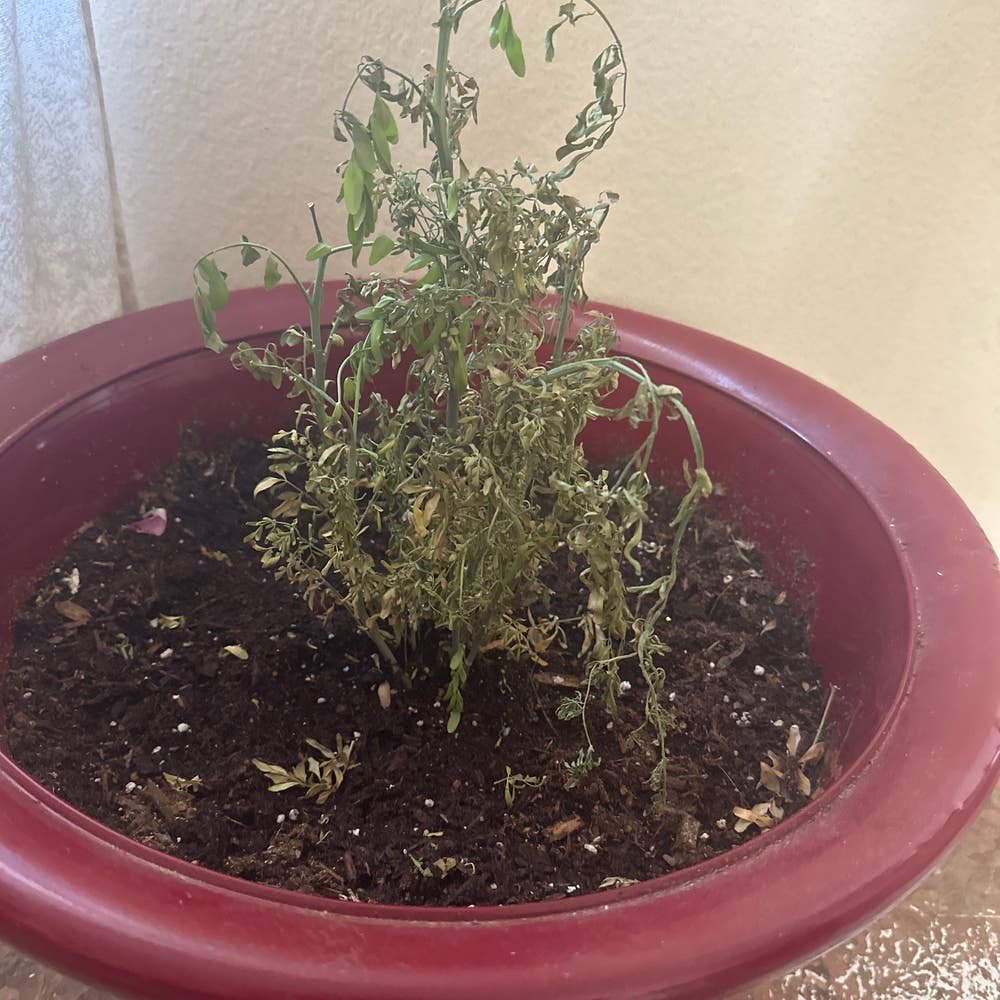
Watch for yellowing leaves and wilting, even when you’ve watered adequately. Other red flags include water pooling on the soil surface and foul odors, which can indicate root decay.
Understanding these drainage considerations will help you maintain a thriving common rue. Next, let’s explore when and how to repot your plants for continued growth.
Repotting
When to Repot 🌱
Repotting is essential for maintaining healthy plants. Look for signs like roots growing out of drainage holes or stunted growth; these indicate it's time for a change.
It's generally recommended to repot every 1-2 years or whenever your plant outgrows its pot. Keeping an eye on these signs ensures your plant has the space it needs to thrive.
How to Choose the Right Pot When Repotting 🪴
Selecting the right pot is crucial for your plant's health. Choose a pot that is 2 inches larger in diameter than the current one to give roots room to expand.
Also, make sure the new pot has adequate drainage holes. This will help prevent water accumulation, which can lead to root rot.
Step-by-Step Guide to Repotting 📝
Repotting can seem daunting, but it’s straightforward. Follow these steps for a smooth transition:
- Prepare the new pot with fresh, well-draining soil. This sets the stage for healthy growth.
- Gently remove the plant from its current pot, taking care not to damage the roots. A little patience goes a long way here.
- Place the plant in the center of the new pot and fill with soil, leaving space for watering. This ensures stability and proper moisture levels.
- Water thoroughly and allow excess water to drain. This final step is crucial for settling the soil around the roots.
Repotting not only gives your plant a fresh start but also enhances its growth potential. With the right pot and care, your common rue will flourish beautifully. Next, let’s explore pot size recommendations to ensure your plant continues to thrive.
Pot Size Recommendations
Recommended Pot Sizes for Seedlings 🌱
For seedlings, a pot size of 4-6 inches in diameter is ideal. This smaller size encourages strong root development and helps prevent overwatering, which can be detrimental at this fragile stage.
Recommended Pot Sizes for Mature Plants 🌳
As your common rue matures, it will need more space. A pot size of 12-14 inches in diameter is recommended for full-grown plants, accommodating their height and providing ample soil volume for nutrient uptake.
Adjusting Pot Size as the Plant Grows 📏
Monitoring your plant's growth is crucial. Repotting as necessary will prevent root binding and ensure your common rue thrives in its environment. Keep an eye on root development and be proactive about transitioning to larger pots when needed.
This attention to pot size not only supports healthy growth but also enhances the overall vitality of your plant. Next, let’s explore the importance of drainage considerations to further promote a thriving environment for your common rue.
Material Comparisons
Pros and Cons of Clay Pots 🌱
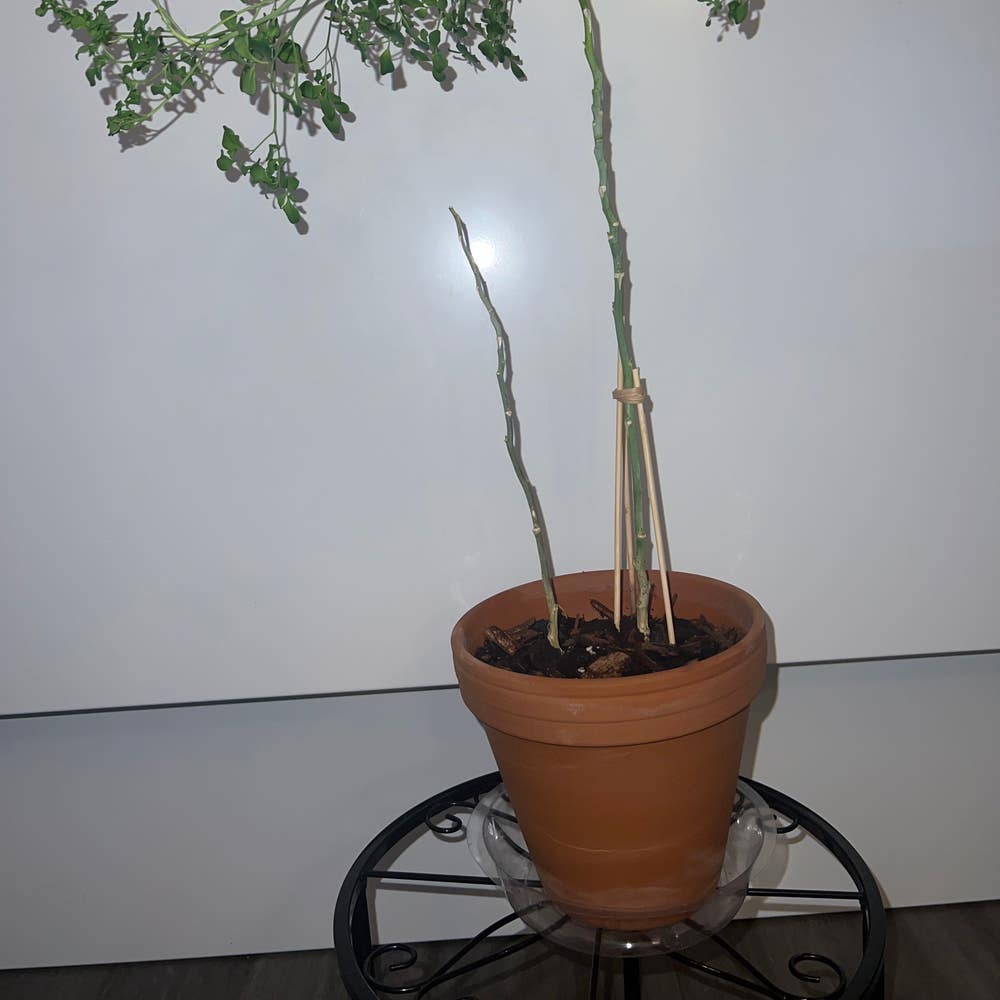
Clay pots are a gardener's classic choice. They offer excellent drainage, allowing excess water to escape, which is crucial for healthy root systems.
However, they come with some downsides. Clay pots are heavier than other options, can dry out quickly, and may crack in extreme temperatures, which can be a hassle.
Pros and Cons of Plastic Pots ♻️
Plastic pots are gaining popularity for good reason. They are lightweight and retain moisture better than clay, making them easier to handle and maintain.
On the flip side, plastic pots are less breathable. This can lead to root rot if drainage isn't managed properly, so keep an eye on your plants.
Other Materials to Consider 🏺
Ceramic pots add a touch of elegance to any plant display. They are visually appealing but can be heavy and often come with a higher price tag.
Biodegradable pots are an eco-friendly alternative, especially for seedlings. While they are great for the environment, they may not hold up long-term, so consider your plant's future needs.
Understanding the pros and cons of each material can help you make informed decisions. Choosing the right pot not only enhances your plant's growth but also complements your gardening style.
Next, let’s dive into common mistakes in pot selection to ensure your plants thrive!
Common Mistakes in Pot Selection
🪴 Overpotting vs. Underpotting
Overpotting can be a sneaky trap for many plant lovers. When you choose a pot that's too large, it can lead to excess soil moisture, which often results in root rot.
On the flip side, underpotting restricts root growth and limits nutrient uptake. This can stunt your plant's overall health and growth, leaving you frustrated.
🚰 Ignoring Drainage Needs
One of the most critical aspects of pot selection is ensuring adequate drainage. Without proper drainage holes, water can accumulate at the bottom, leading to waterlogging and unhealthy roots.
Always check for at least 3-5 drainage holes to promote healthy growth. This simple step can save your plants from a lot of unnecessary stress.
🌡️ Choosing the Wrong Material for Climate Conditions
The material of your pot can significantly impact your plant's health, especially in varying climates. In hot climates, opt for materials that retain moisture to keep your plants hydrated.
Conversely, in colder climates, choose pots that provide insulation against temperature fluctuations. This consideration can make a world of difference in how your plants thrive.
By avoiding these common mistakes, you can create a nurturing environment for your common rue and other plants. Next, let’s explore the importance of pot size for different growth stages to ensure your plants flourish at every phase.
⚠️ Safety First
This content is for general information and may contain errors, omissions, or outdated details. It is not medical, veterinary advice, or an endorsement of therapeutic claims.
Always consult a qualified healthcare professional before using any plant as food, medicine, or supplement.
Never eat any plant (or feed one to pets) without confirming its identity with at least two trusted sources.
If you suspect poisoning, call Poison Control (800) 222-1222, the Pet Poison Helpline (800) 213-6680, or your local emergency service immediately.
Spotted an error? Please report it here.
Select the perfect pot for your common rue 🌿 with Greg's tailored reminders and expert tips, ensuring your plant thrives in its ideal environment!