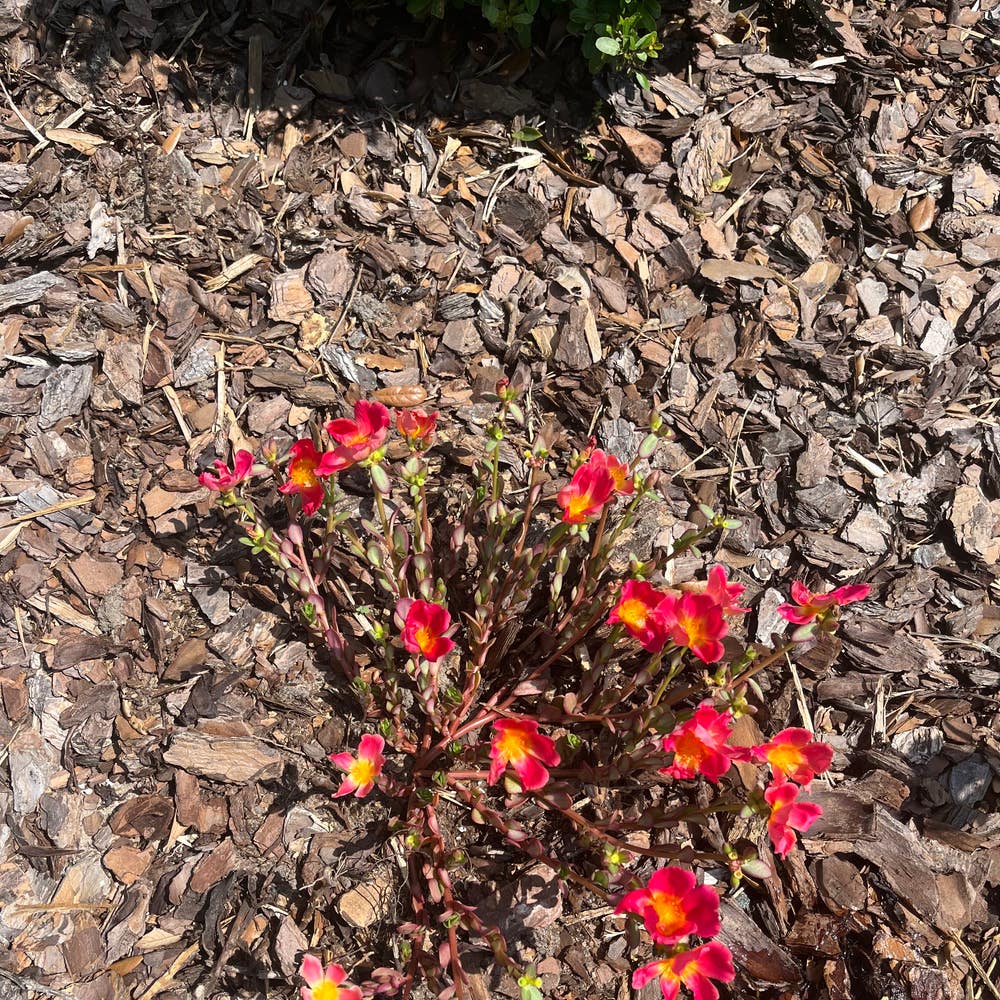
Why Are My Wingpod Purslane Leaves Turning Yellow?
Portulaca umbraticola
By the Greg Editorial Team
Jun 17, 2024•6 min read
This article was created with the help of AI so we can cover more plants for you. May contain errors. See one? Report it here.
Say goodbye to yellow leaves 🍂 and hello to vibrant Wingpod Purslane with these expert plant care tips! 🌿
- 💧 Over/underwatering causes yellow leaves; aim for wrung-out sponge soil moisture.
- 🌡️ Moderate sunlight and stable temperatures between 65°F to 80°F prevent yellowing.
- 🌱 Address nutrient deficiencies with balanced fertilizer; monitor for pests.
Water-Related Causes and Solutions for Yellowing Leaves
💧 Overwatering: The Root of the Problem
Overwatering can suffocate your Wingpod Purslane's roots, leading to a sad, yellowed appearance. If the soil feels more like a swamp than a moist haven, it's time to cut back on the H2O.
🏜️ Underwatering: A Thirsty Purslane
Conversely, underwatering leaves your plant parched and its leaves yellow from neglect. If the soil is drier than a stand-up comedian's wit, it's a cry for water.
🚰 The Perfect Sip
Aim for soil moisture akin to a wrung-out sponge—damp, but not dripping. Use your finger as a dipstick; if the top inch is dry, it's time to water.
💦 Water Quality Counts
Tap water can be a cocktail of fluoride, salts, and chlorine, which might not be Purslane's drink of choice. Consider using distilled water or let tap water sit overnight to let those extras evaporate.
🌊 Drainage: Your Plant's Life Jacket
Ensure your pot has proper drainage to prevent the dreaded root rot. If water pools at the bottom like a neglected birdbath, it's time for a pot intervention.
🔄 Consistency is Key
Like a good skincare routine, your watering schedule should be consistent. Not too much, not too little, just right. This balance prevents the yellowing of leaves and keeps your Purslane in the green zone.
👀 Signs to Watch For
Yellowing leaves, wilting, and a general look of despair are cries for help. Address your watering habits before your Purslane sends out an SOS.
Remember, Wingpod Purslane isn't asking for a monsoon or a drought—just a steady, loving supply of water to keep it from turning a sickly yellow.

Light and Temperature Factors Affecting Leaf Color
💡 Recognizing Light and Temperature Stress
Light too intense or too scarce can send your Wingpod Purslane into a state of panic. Leaves turning yellow? That's your plant's distress signal. Temperature swings are like a bad rollercoaster for your green buddy – too hot or too cold, and your plant's leaves may start looking more like a sad salad than a vibrant greenery.
🌞 Adjusting the Plant's Environment
Sunlight is the lifeblood of your Wingpod Purslane, but moderation is key. Aim for a Goldilocks zone – not too much, not too little. If your plant's leaves are fading faster than your favorite jeans, dial back the sun exposure. Temperature needs to be just right. Keep it between the sweet spots of 65°F to 80°F to avoid leaves turning into yellow flags of surrender. Too cold? Think of your plant as a tropical vacationer – it hates the chill. Keep it away from drafty windows and doors.
🕵️ Monitoring and Adapting
Stay vigilant. Your plant's leaves are like mood rings, changing colors with the environment. Keep an eye out for the telltale signs of stress: yellowing, browning, or drooping. Adjust your plant's position or environment accordingly, and you'll have a happier, greener Wingpod Purslane. Remember, it's not just about keeping your plant alive, it's about letting it thrive.

Nutrient Deficiencies Leading to Yellow Leaves
🌿 Recognizing Nutrient Deficiencies
Yellowing leaves on your Wingpod Purslane can scream nutrient deficiency. If you spot yellowing on the lower leaves, nitrogen could be the culprit. Potassium issues often cause yellow leaf edges, while a magnesium deficiency will have yellowing between the veins of older leaves. Iron deficiency? Look for trouble on the younger leaves first.
💡 Fertilization Solutions
To combat these deficiencies, a balanced fertilizer is your best friend. Think of it as a multivitamin for your plant. It's not just about slapping on some plant food; it's about understanding what your green buddy needs. For instance, a water-soluble fertilizer can quickly make up for missing nutrients, while organic options like bonemeal provide a slow-release buffet.
🚀 Quick Fixes and Long-Term Strategies
Got a nitrogen deficiency? Adding a fertilizer high in nitrogen can turn things around fast. But don't just fix; prevent. Regular applications of a comprehensive fertilizer can keep your plant from sending out those yellow distress signals. And remember, foliar applications can be like a nutrient IV drip for your plant, giving it a quick health boost.
🧪 Soil Testing: The Secret Weapon
If you're the type to leave nothing to chance, get your soil tested. It's like getting a blood test for your plant – it'll tell you exactly what's missing. Then, you can tailor your fertilization plan with surgical precision.
🎯 Addressing Specific Deficiencies
- Nitrogen: Yellowing lower leaves? More nitrogen, stat!
- Potassium: Yellow edges? Potassium to the rescue.
- Magnesium: Yellow between veins? Magnesium is your go-to.
- Iron: Young leaves yellowing? Iron is likely the missing link.
Remember, overdoing it with nutrients can be just as bad as a deficiency. If you suspect manganese toxicity, for example, hold off on manganese-heavy fertilizers and consider adding lime to balance things out. Balance is key – you're not just throwing nutrients at the problem; you're crafting a gourmet meal for your plant.

Pest Infestation and Leaf Health
🐛 Identifying the Culprits
Pests can turn your Wingpod Purslane's vibrant green into a yellow mess. Let's dive into the buggy underworld and see how to keep your leaves in the clear.
🌿 Organic Warfare
Neem oil and insecticidal soap are your go-to for eco-friendly pest control. They're like the bouncers at the club, showing pests the exit without trashing the place. Apply as directed, usually in the cooler parts of the day to avoid leaf burn.
🏡 Cultural Practices
Keep your plant's environment clean. Remove debris and avoid wetting the leaves too much, as this can invite fungal friends that pests love. Prune away any yellow or damaged leaves to prevent the spread of pests and diseases.
🐞 Biological Controls
Introduce ladybugs or lacewings if you're feeling like playing matchmaker. These beneficial insects love to snack on aphids and mites, keeping your Purslane pest-free.
☠️ Chemical Solutions
If things get dire, you might need to bring out the big guns. Use pesticides as a last resort and always follow the label instructions. Remember, overuse can harm more than just pests.
🕵️ Monitoring
Keep an eye on your plant. Regular checks will help you catch any new infestations early, when they're easier to control. Remember, a healthy plant is less likely to succumb to pests, so give your Purslane the care it craves.
🛡️ Preventive Measures
Prevention is better than cure. Ensure your Wingpod Purslane isn't stressed from underwatering or poor nutrition, as this can make it more susceptible to pests. A happy plant is a resilient plant.
⚠️ Safety First
This content is for general information and may contain errors, omissions, or outdated details. It is not medical, veterinary advice, or an endorsement of therapeutic claims.
Always consult a qualified healthcare professional before using any plant as food, medicine, or supplement.
Never eat any plant (or feed one to pets) without confirming its identity with at least two trusted sources.
If you suspect poisoning, call Poison Control (800) 222-1222, the Pet Poison Helpline (800) 213-6680, or your local emergency service immediately.
Spotted an error? Please report it here.
Banish the yellowing woes of your Wingpod Purslane by tapping into Greg's community wisdom 🌟 and environmental monitoring for a thriving, vibrant plant.