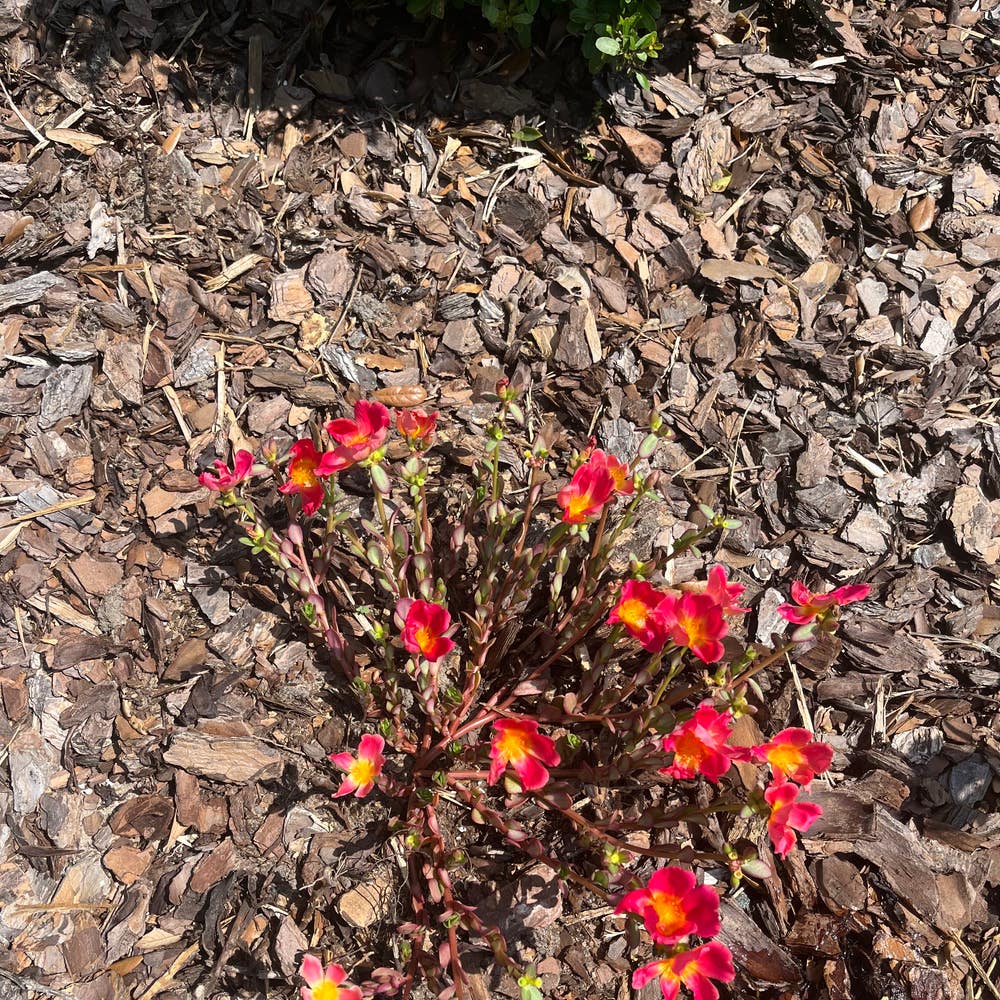
Wingpod Purslane Fertilizer: How and When to Use It
Portulaca umbraticola
By the Greg Editorial Team
Jun 17, 2024•4 min read
This article was created with the help of AI so we can cover more plants for you. May contain errors. See one? Report it here.
Boost your garden's wow factor 🌺 with perfectly timed Wingpod Purslane fertilization for stunning blooms.
- Balanced NPK 10-10-10 ideal; phosphorus-rich 5-10-5 for vibrant blooms.
- Fertilize spring to fall, starting with new growth; monthly for active growth.
- Prevent over-fertilization: yellow leaves, brown tips signal to flush soil, pause feeding.
Best Fertilizers for Wingpod Purslane Blooming
Wingpod Purslane, with its vibrant blooms, demands a balanced diet to flourish. The ideal NPK (Nitrogen-Phosphorus-Potassium) ratio for these succulent beauties is a 10-10-10 mix. This balanced approach supports both foliage and flower production without overwhelming the plant.
🌱 Organic vs. Synthetic Fertilizers
When it comes to choosing between organic and synthetic fertilizers, it's not just about feeding the plant; it's about nurturing the soil ecosystem too. Organic options, like compost or fish emulsion, release nutrients slowly and improve soil structure. They're like a gourmet meal for your plants, with added benefits for the microorganisms in the dirt.
Synthetic fertilizers, on the other hand, are the fast food of plant nutrition – quick and concentrated. They can give your Wingpod Purslane a rapid boost, especially during the peak blooming period. However, they lack the soil health benefits of their organic counterparts and can lead to nutrient build-up if not used judiciously.
🌺 The Right Choice for Blooming
For those who want to see their Wingpod Purslane pop with color, a fertilizer high in phosphorus is key. Phosphorus is the wingman for blooming, encouraging those ruffled petals to unfurl in all their glory. A ratio that's slightly higher in phosphorus, like a 5-10-5, can be particularly effective during the flowering stage.
Remember, more is not always better. Overdoing it with fertilizer can lead to a lush plant with few blooms – a classic case of all leaf, no flower. Stick to the recommended dosages and watch your Wingpod Purslane put on a show that's worth every bit of your gardening effort.

Timing and Technique for Fertilizing Wingpod Purslane
💡 Ideal Fertilization Periods
Spring to fall marks the prime time for Wingpod Purslane's bloom cycle. Kickstart the process with fertilizer as new growth appears in spring. Continue applications through summer, tapering off as fall approaches to avoid promoting growth susceptible to winter damage.
💡 Fertilization Dosage and Application
Aim for a balanced NPK ratio, like 10-10-10, to support robust flowering. Slow-release formulas are your friend, providing consistent nutrition without the risk of overfeeding. Apply according to the manufacturer's guidelines, typically once per month during active growth.
💡 Application Techniques
- Water plants before fertilizing to prevent root burn and aid in nutrient absorption.
- Sprinkle granular fertilizers around the base, avoiding direct contact with foliage.
- For liquid fertilizers, dilute as directed and apply to the soil, not the leaves.
- Less is more: it's better to underfeed than overfeed, as excess nutrients can inhibit blooming.
Remember, Wingpod Purslane isn't a glutton. Overzealous fertilizing can lead to lush leaves at the expense of flowers. Stick to the schedule, watch your dosages, and let the plant's response guide your hand.

Recognizing and Treating Over-Fertilization in Wingpod Purslane
🌱 Symptoms of Over-Fertilization
Wingpod Purslane is a low-maintenance charmer that doesn't like to be smothered in nutrients. Spotting the tell-tale signs of over-fertilization is crucial. Yellowed leaves or brown tips can signal nutrient overload. If your plant's roots are turning a ghastly black or brown, it's screaming for a detox. Wilting leaves with damp soil? That's not a cry for water—it's fertilizer burn. And if your blooms are suffering, it's likely the soil is more buffet than balanced meal.
🛠️ Steps to Mitigate Over-Fertilization
Caught your Wingpod Purslane on a fertilizer binge? First things first: remove any visible fertilizer from the soil's surface. Then, give the soil a thorough flush with water to wash away excess nutrients. This might feel like a workout, but repeat every few days until your plant stops looking like it partied too hard.
For potted plants, consider a change of scenery with a new pot and fresh, unfertilized soil. It's like a spa retreat for your green buddy. Trim away any damaged leaves—they're just dead weight at this point. Hold off on the fertilizer cocktails for at least three to four weeks; let your plant sober up and find its natural balance again.
Remember, Wingpod Purslane isn't a greedy feeder. It's more of a 'quality over quantity' kind of plant. Keep an eye out for overindulgence, and you'll have a happier, blooming buddy.

⚠️ Safety First
This content is for general information and may contain errors, omissions, or outdated details. It is not medical, veterinary advice, or an endorsement of therapeutic claims.
Always consult a qualified healthcare professional before using any plant as food, medicine, or supplement.
Never eat any plant (or feed one to pets) without confirming its identity with at least two trusted sources.
If you suspect poisoning, call Poison Control (800) 222-1222, the Pet Poison Helpline (800) 213-6680, or your local emergency service immediately.
Spotted an error? Please report it here.
Boost your Wingpod Purslane's blooms by mastering fertilizer timing and application 🌸 with Greg's custom care reminders, ensuring you never miss a feeding.