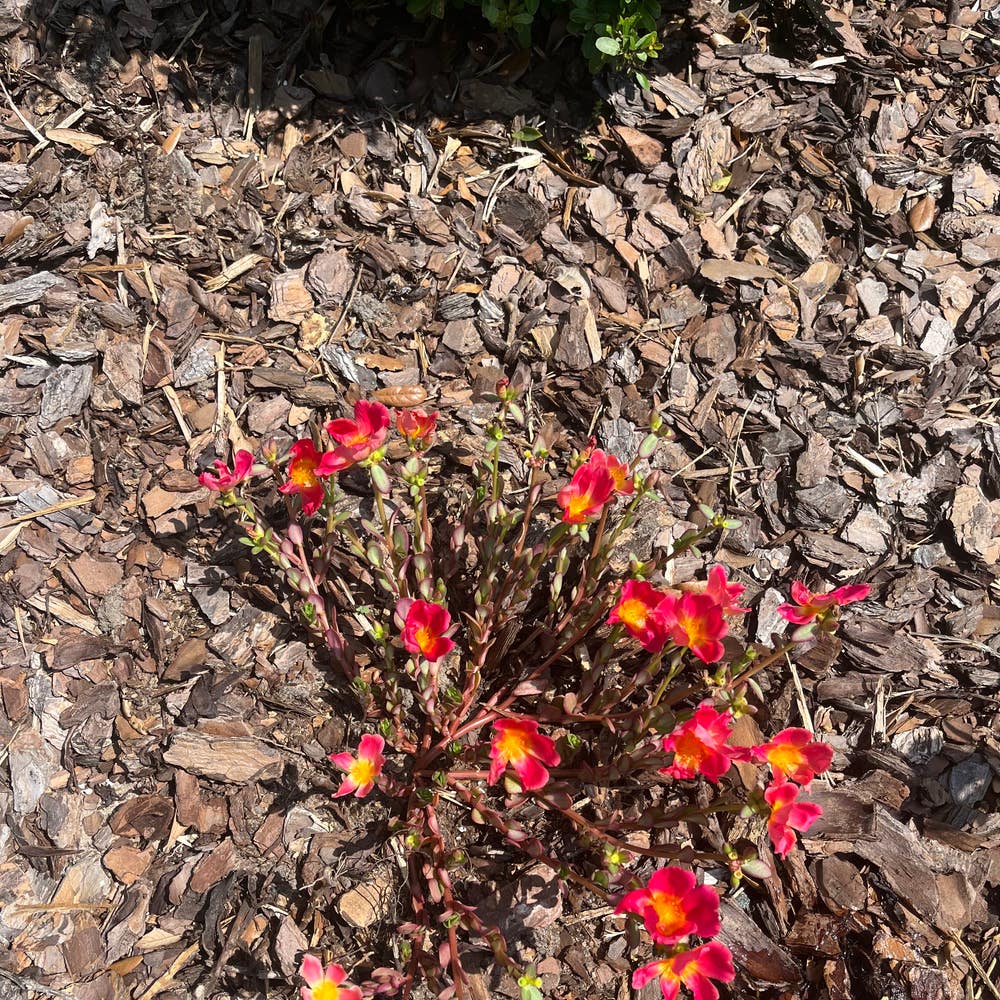
Why Is My Wingpod Purslane Dropping Leaves?
Portulaca umbraticola
By the Greg Editorial Team
Jun 17, 2024•4 min read
This article was created with the help of AI so we can cover more plants for you. May contain errors. See one? Report it here.
Prevent leaf loss in Wingpod Purslane by mastering the art of perfect watering and optimal conditions! 🌿💦
- Underwatering and overwatering both lead to leaf drop; check soil moisture.
- Improve soil drainage with perlite or sand to prevent root rot.
- Balance light and temperature to maintain Wingpod Purslane health above 50°F.
Diagnosing Leaf Drop in Wingpod Purslane
Underwatering can turn your Wingpod Purslane into a sad, droopy mess. Look for crispy leaves and bone-dry soil as telltale signs. This isn't a cactus, folks—it needs its sips.
Overwatering, on the other hand, is like giving your plant a one-way ticket to Root Rot City. Symptoms include leaves falling off faster than a toupee in a hurricane and roots that are more brown and slimy than a banana left in a gym bag.
🕵️ Identifying Underwatering
- Wilting: If your plant looks more deflated than your ego after karaoke night, it's thirsty.
- Dry Leaves: Crispier than your favorite chips. Not a good thing for leaves.
🕵️ Recognizing Overwatering and Root Rot
- Leaf Drop: It's raining leaves, and not in a good way. Time to dial back on the H2O.
- Root Check: If the roots look like they've been through a horror movie, you've got root rot.
Remember, your Wingpod Purslane isn't trying to give you a hard time. It's just really dramatic about its drinking problem.

Correcting Watering Practices
💧 Establishing a Balanced Watering Routine
Watering is more art than science when it comes to Wingpod Purslane. Ditch the calendar; your plant’s thirst is not on a schedule. Check the soil's moisture by feeling it – if the top inch is dry, it’s time to water. But be cautious, as overwatering is akin to a forced swimming lesson for your plant’s roots. They need air, not a perpetual bath.
🚰 Improving Soil Drainage
Drainage is your plant's lifeline. Ensure your pot has enough drainage holes; if not, it’s time for an upgrade. Mix in perlite, vermiculite, or sand to help the soil drain faster. Think of it as giving your plant’s roots the space to breathe, avoiding the dreaded root rot.
🏜️ Underwatering Solutions
If your Purslane is as parched as a desert wanderer, increase watering frequency carefully. Keep the soil moist, but not waterlogged, and consider adding coco coir or peat moss to the mix to help retain moisture without drowning the roots.
🚱 Overwatering Adjustments
Ease up on the H2O. Let the soil dry out a bit between waterings – your plant isn't a fish. If you've been heavy-handed with the watering can, it might be time to let the soil go from mud-puddle to just damp before giving it another drink.

Optimizing Environmental Conditions
🌞 Balancing Light Exposure
Light is a plant's best friend, but like any friendship, it's all about balance. Too much sun and your Wingpod Purslane might get a sunburn; too little, and it could become weak and pale. Aim for a bright spot with indirect sunlight to keep those leaves happily attached.
🌡 Maintaining Suitable Temperature Ranges
When it comes to temperature, think of your plant as preferring a mild sweater-weather climate. Keep it above 50°F to avoid leaf curling from the cold. Avoid placing your plant near drafty spots or in the path of heating and air conditioning vents, as these can cause dramatic temperature swings that lead to a leaf-dropping frenzy.
💨 Airflow and Humidity
Good air circulation is key to preventing leaf troubles. It helps with water evaporation and keeps fungal parties at bay. But don't let the breeze turn into a gale; too much wind can stress your plant out. As for humidity, aim for a consistent level, ideally between 40-60%, to avoid turning your plant's leaves into drama queens.
🌌 Reflective Surroundings
If your plant's light is on the dim side, get creative with reflective materials like a white background or aluminum foil to give it a gentle photon boost. It's like ensuring your plant gets enough light to read by without straining its eyes.
🌡 Addressing Temperature Stress
If your plant's growth has stalled and leaves are dropping like it's autumn in the tropics, it's sending an SOS. Stunted growth and sudden leaf drop are your cues to check the thermostat. Invest in temperature control devices to maintain a stable, cozy environment for your green buddy.

⚠️ Safety First
This content is for general information and may contain errors, omissions, or outdated details. It is not medical, veterinary advice, or an endorsement of therapeutic claims.
Always consult a qualified healthcare professional before using any plant as food, medicine, or supplement.
Never eat any plant (or feed one to pets) without confirming its identity with at least two trusted sources.
If you suspect poisoning, call Poison Control (800) 222-1222, the Pet Poison Helpline (800) 213-6680, or your local emergency service immediately.
Spotted an error? Please report it here.
Keep your Wingpod Purslane leaf-perfect 🍃 with Greg's personalized care plan, ensuring just-right watering and a happy home environment to prevent any more leaf drop.