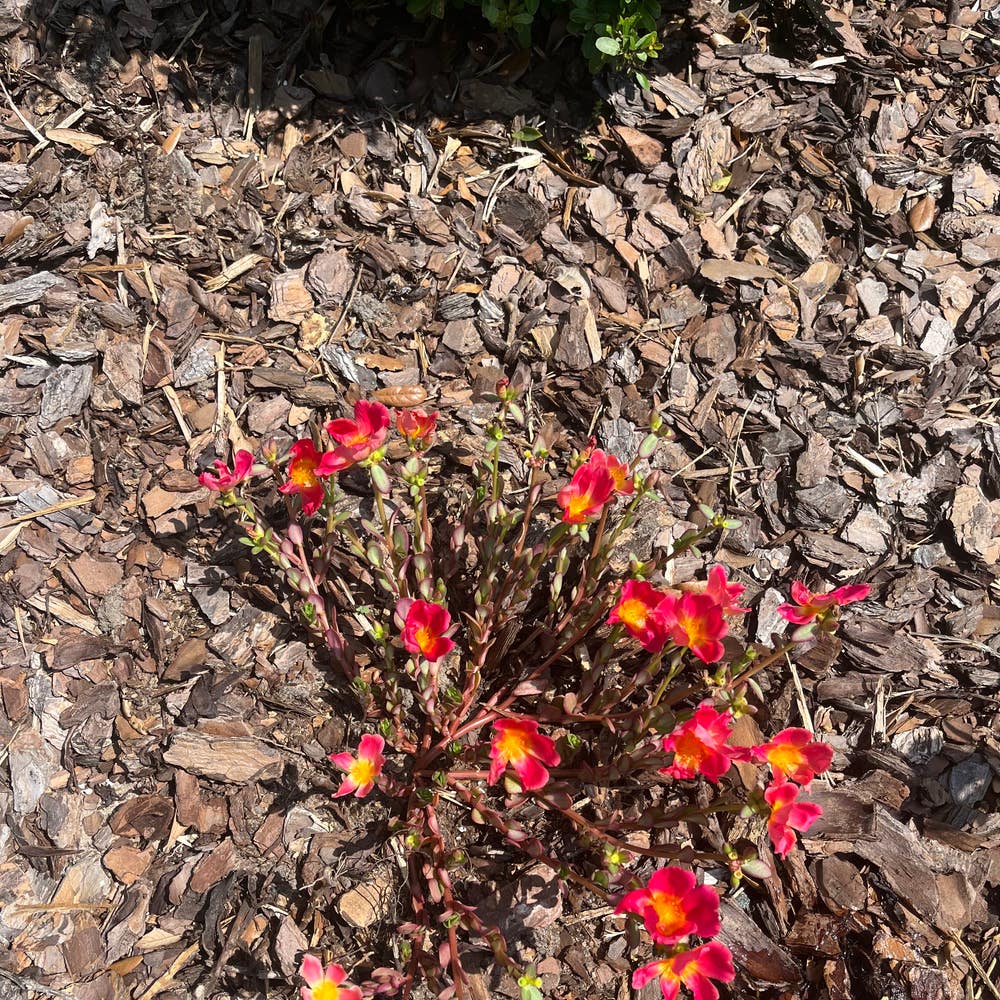
💧 Wingpod Purslane Care: Preventing Wilting
Portulaca umbraticola
By the Greg Editorial Team
Sep 30, 2024•5 min read
This article was created with the help of AI so we can cover more plants for you. May contain errors. See one? Report it here.
Transform your wilting Wingpod Purslane into a thriving beauty 🌱 with these essential care tips and tricks!
- 💧 Water stress causes wilting; maintain a consistent watering schedule to prevent it.
- ☀️ Heat stress leads to wilting; relocate to shade during peak sunlight hours.
- 🌱 Monitor environmental conditions to ensure Wingpod Purslane thrives and avoids wilting.
Causes of Wilting in Wingpod Purslane
🌊 Common Causes
Water Stress
Water stress is one of the primary culprits behind wilting in Wingpod Purslane. Symptoms include drooping leaves and dry soil, often resulting from infrequent watering or prolonged drought conditions.
Heat Stress
Heat stress can also lead to wilting, manifesting as leaf curling and browning edges. This typically occurs due to excessive sunlight or high temperatures, which can overwhelm the plant.
Environmental Sensitivity
Wingpod Purslane is sensitive to environmental changes. Fluctuations in temperature and humidity can significantly impact its health, leading to wilting if conditions become unfavorable.
🌱 Uncommon Causes
Disease-Related Wilting
While less common, disease-related wilting can occur. Potential diseases affecting Wingpod Purslane include root rot and fungal infections, but these are rare in healthy plants.
Understanding these causes is crucial for effective care. By identifying the signs early, you can take proactive steps to prevent wilting and keep your Wingpod Purslane thriving.
Diagnosing Wilting in Wingpod Purslane
🕵️♂️ Step-by-Step Guide to Diagnose Wilting
Diagnosing wilting in your Wingpod Purslane is crucial for restoring its health. Follow these straightforward steps to pinpoint the issue effectively.
1. Assess Soil Moisture
Start by checking the soil moisture. Is it dry and crumbly, or waterlogged and soggy?
2. Evaluate Environmental Conditions
Next, evaluate the environmental conditions. Measure the temperature and humidity levels to see if they’re within a suitable range for your plant.
3. Inspect Leaves for Signs of Stress
Take a close look at the leaves. Are they discolored, curling, or drooping? These symptoms can indicate underlying problems.
4. Consider Recent Changes in Care Routine
Finally, reflect on any recent changes in your care routine. Have you altered watering frequency, light exposure, or temperature? Such changes can significantly impact your plant's health.
By following these steps, you can effectively diagnose the cause of wilting in your Wingpod Purslane. This proactive approach will help you take the necessary actions to revive your plant and prevent future issues.
Solutions for Wilting Leaves
Actionable Advice for Water Stress 💧
To combat water stress in your Wingpod Purslane, aim for a watering frequency that allows the soil to dry slightly between waterings. This approach helps prevent both overwatering and underwatering, ensuring your plant thrives.
For effective watering, consider using the bottom watering technique. By placing the pot in a shallow tray of water, the soil can absorb moisture deeply, promoting healthier root development.
Actionable Advice for Heat Stress ☀️
If your plant is suffering from heat stress, relocating it to a shadier spot during peak sunlight hours can make a significant difference. This simple adjustment can help reduce leaf curling and browning edges.
Additionally, implementing shade cloths or barriers can provide necessary protection from direct sun exposure. These measures create a more stable environment for your Wingpod Purslane, allowing it to recover.
Addressing Disease-Related Wilting 🦠
Monitoring for signs of disease is crucial in maintaining the health of your Wingpod Purslane. Keep an eye out for unusual discoloration or wilting that doesn’t correlate with watering or environmental conditions.
Taking preventive measures, such as ensuring good air circulation and avoiding overcrowding, can help keep diseases at bay. Remember, a healthy plant is less susceptible to wilting and other stressors.
By following these actionable solutions, you can effectively address wilting leaves and promote a thriving Wingpod Purslane. Next, let’s explore preventive measures to minimize future wilting episodes.
Preventive Measures
Tips to Minimize Future Wilting Episodes 🌱
Establishing a consistent watering schedule is crucial for Wingpod Purslane. Tailor it to the plant's needs, ensuring the soil dries slightly between waterings.
Regularly monitor environmental conditions to prevent stress. Keeping an eye on temperature and humidity can make a significant difference in plant health.
Best Practices for Maintaining Optimal Conditions 🏡
Creating a stable environment is essential. Avoid sudden temperature changes that can shock your plant.
Ensure proper drainage to prevent waterlogging. Good drainage helps maintain healthy roots and prevents wilting.
By implementing these preventive measures, you can keep your Wingpod Purslane thriving and vibrant. Next, let’s explore effective solutions for reviving wilted leaves.
Reviving Wilted Wingpod Purslane
💧 Techniques for Bottom Watering
Bottom watering is a simple yet effective method to revive your wilted Wingpod Purslane.
- Fill a shallow tray with water.
- Place the pot in the tray and allow the soil to absorb moisture.
- Remove the pot after 30 minutes to prevent over-saturation.
This technique encourages deep root hydration, ensuring your plant gets the moisture it needs without the risk of overwatering.
🌱 Relocating the Plant Temporarily
Sometimes, a change of scenery can work wonders for your plant.
- Look for a temporary location that offers indirect sunlight and stable temperatures.
- Gradual acclimatization is key; avoid sudden changes to prevent additional stress.
By giving your Wingpod Purslane a break from harsh conditions, you can help it bounce back more effectively.
✂️ Pruning Damaged Leaves
Pruning is an essential step in reviving your plant.
- Use clean, sharp scissors to avoid introducing any pathogens.
- Trim away any wilted or damaged leaves to promote new growth.
- Dispose of cuttings properly to prevent disease spread.
This not only improves the plant's appearance but also redirects energy to healthier parts, encouraging recovery.
By employing these techniques, you can effectively revive your wilted Wingpod Purslane and set it on the path to thriving once again. Next, let’s explore when it’s time to seek professional help for your plant care needs.
When to Seek Help
🆘 Signs That Professional Assistance is Needed
If your Wingpod Purslane is wilting persistently despite your best care efforts, it may be time to seek help. Unexplained symptoms that don't align with common causes can also signal deeper issues that require expert attention.
📚 Resources for Assistance
Local nurseries specializing in succulents can be invaluable resources. They often have knowledgeable staff who can provide tailored advice for your plant's specific needs.
Engaging with the Greg plant care community is another great option. Online forums and social media groups can connect you with fellow enthusiasts who share insights and experiences that might just save your plant.
With the right support, you can ensure your Wingpod Purslane thrives once again.
⚠️ Safety First
This content is for general information and may contain errors, omissions, or outdated details. It is not medical, veterinary advice, or an endorsement of therapeutic claims.
Always consult a qualified healthcare professional before using any plant as food, medicine, or supplement.
Never eat any plant (or feed one to pets) without confirming its identity with at least two trusted sources.
If you suspect poisoning, call Poison Control (800) 222-1222, the Pet Poison Helpline (800) 213-6680, or your local emergency service immediately.
Spotted an error? Please report it here.
Keep your Wingpod Purslane thriving 🌱 by using Greg for tailored watering reminders and expert tips to prevent wilting and promote vibrant growth!