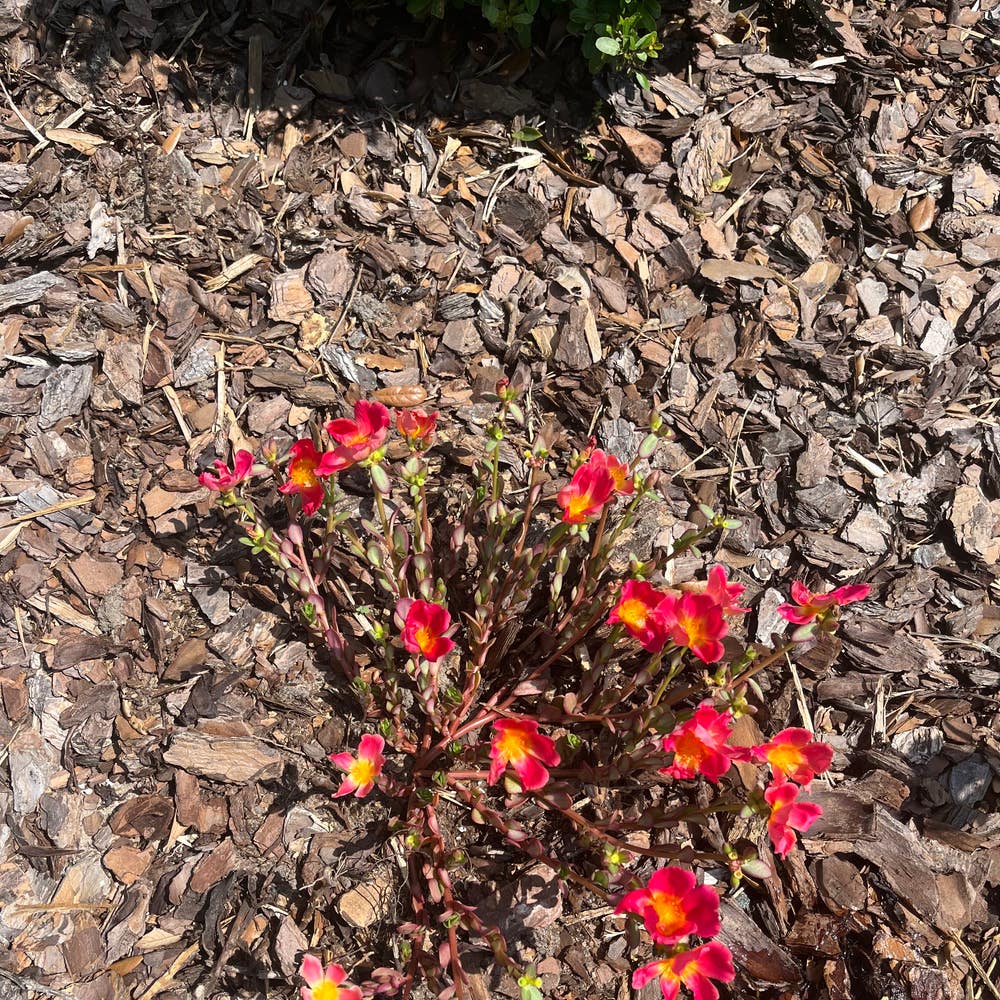
Wingpod Purslane: Not a Perennial Plant
Portulaca umbraticola
By the Greg Editorial Team
Sep 30, 2024•4 min read
This article was created with the help of AI so we can cover more plants for you. May contain errors. See one? Report it here.
Elevate your garden with Wingpod Purslane's vibrant blooms 🌼, a fast-growing annual that brings joy in just one season!
- 🌱 Wingpod Purslane is a true annual, completing its lifecycle in 60 to 90 days.
- 🌼 It blooms vibrant yellow flowers from mid-summer to fall, attracting pollinators.
- ❗️ Misunderstandings about its perennial nature can hinder gardening success; it's strictly an annual.
Characteristics of Wingpod Purslane as an Annual
Single-Season Lifecycle 🌱
Wingpod Purslane is a true annual, completing its lifecycle in just 60 to 90 days. It progresses through distinct stages: seed, vegetative growth, flowering, and seed production.
Rapid Growth Rate 🚀
This plant is known for its impressive growth speed, often reaching maturity in as little as 6 to 8 weeks. It thrives best in warm climates with well-drained soils, making it a favorite for quick garden results.
Inability to Regrow from the Same Roots ❌
Wingpod Purslane features a shallow, fibrous root system that isn’t designed for perennial regrowth. Unfortunately, frost can kill the plant, meaning you'll need to replant it each season for continued enjoyment.
Understanding these characteristics helps gardeners appreciate the unique nature of Wingpod Purslane. With its rapid lifecycle and growth, it can be a delightful addition to any garden, especially for those looking for quick blooms.
Implications of Annual Nature
🌼 Growth and Flowering Patterns
Wingpod Purslane typically blooms from mid-summer to fall, showcasing vibrant yellow flowers that attract pollinators. As the growing season wraps up, the plant focuses on producing seeds, ensuring its legacy continues even after it dies.
⏳ Lifespan Compared to Perennials
Unlike perennials that can thrive for years, Wingpod Purslane lives only for one growing season. This short lifespan means it allocates its resources primarily to rapid growth and reproduction, making the most of its limited time.
🌱 Advantages of Being an Annual Plant
The quick maturity of Wingpod Purslane is a boon for gardeners seeking fast results. Additionally, its annual nature allows for flexibility in garden planning, enabling you to change plant selections each season for a fresh look.
Understanding these implications can help you make the most of Wingpod Purslane in your garden. Next, let’s explore common misconceptions about this fascinating plant.
Common Misconceptions
Misunderstandings About Perennial Classification 🌱
Many gardeners mistakenly believe that Wingpod Purslane can survive multiple seasons. In reality, it is strictly an annual plant, meaning it requires replanting each year to thrive.
Clarifying the Nature of Wingpod Purslane 🔍
Understanding the lifecycle of Wingpod Purslane is crucial for effective garden planning. By debunking myths about its perennial nature, gardeners can make informed decisions and avoid unnecessary frustrations.
This clarity not only enhances gardening success but also fosters a deeper appreciation for the unique characteristics of this vibrant annual. As we move forward, let’s explore how to effectively incorporate Wingpod Purslane into your garden strategy.
Self-Seeding and Climate Effects
🌱 Situations Where Wingpod Purslane May Appear Perennial
Wingpod Purslane has a fascinating self-seeding behavior. It can drop seeds that germinate in subsequent seasons, creating the illusion of being a perennial plant.
In certain conditions, you might notice it seemingly returning year after year. This can lead to misconceptions about its true nature as an annual.
☀️ Impact of Climate on Growth Behavior
Climate plays a significant role in the growth behavior of Wingpod Purslane. In warm climates, it’s more likely to self-seed and establish itself, thriving in favorable conditions.
Conversely, in cold climates, frost limits its survival. This reinforces its classification as an annual, as it cannot withstand harsh winters.
Understanding these dynamics can help gardeners make informed decisions about planting and caring for Wingpod Purslane. With the right knowledge, you can enjoy its vibrant blooms each season while appreciating its unique lifecycle.
Gardening Strategies for Wingpod Purslane
🌱 Tips for Enjoying Throughout the Growing Season
Succession planting is a fantastic way to enjoy Wingpod Purslane's vibrant blooms all season long. By staggering your planting times, you can ensure that flowers are continuously available, creating a lively garden atmosphere.
Companion planting is another effective strategy. Pair Wingpod Purslane with other annuals to create a colorful and dynamic display that enhances the beauty of your garden.
🌼 Incorporating into Gardens with Perennials
Wingpod Purslane can serve as a seasonal filler among your perennials. This approach not only adds a burst of color but also helps maintain visual interest throughout the growing season.
When designing your garden, consider color coordination. The bright yellow flowers of Wingpod Purslane can beautifully complement the hues of your perennial plants, creating a harmonious landscape.
🌿 Maximizing Impact as an Annual Plant
Seasonal gardening is key to maximizing the impact of Wingpod Purslane. Plan for rotation and diversity in your annual plantings to keep your garden fresh and engaging.
Don't forget about harvesting seeds! Collecting seeds from your Wingpod Purslane allows you to maintain its presence in your garden for future seasons, ensuring that you can enjoy its beauty year after year.
With these strategies, you can fully embrace the unique qualities of Wingpod Purslane, making it a standout feature in your garden. Next, let’s explore some common misconceptions about this fascinating plant.
⚠️ Safety First
This content is for general information and may contain errors, omissions, or outdated details. It is not medical, veterinary advice, or an endorsement of therapeutic claims.
Always consult a qualified healthcare professional before using any plant as food, medicine, or supplement.
Never eat any plant (or feed one to pets) without confirming its identity with at least two trusted sources.
If you suspect poisoning, call Poison Control (800) 222-1222, the Pet Poison Helpline (800) 213-6680, or your local emergency service immediately.
Spotted an error? Please report it here.
Maximize your garden's beauty with Wingpod Purslane's vibrant blooms 🌼 by using Greg's tailored planting reminders to ensure a stunning display every season!