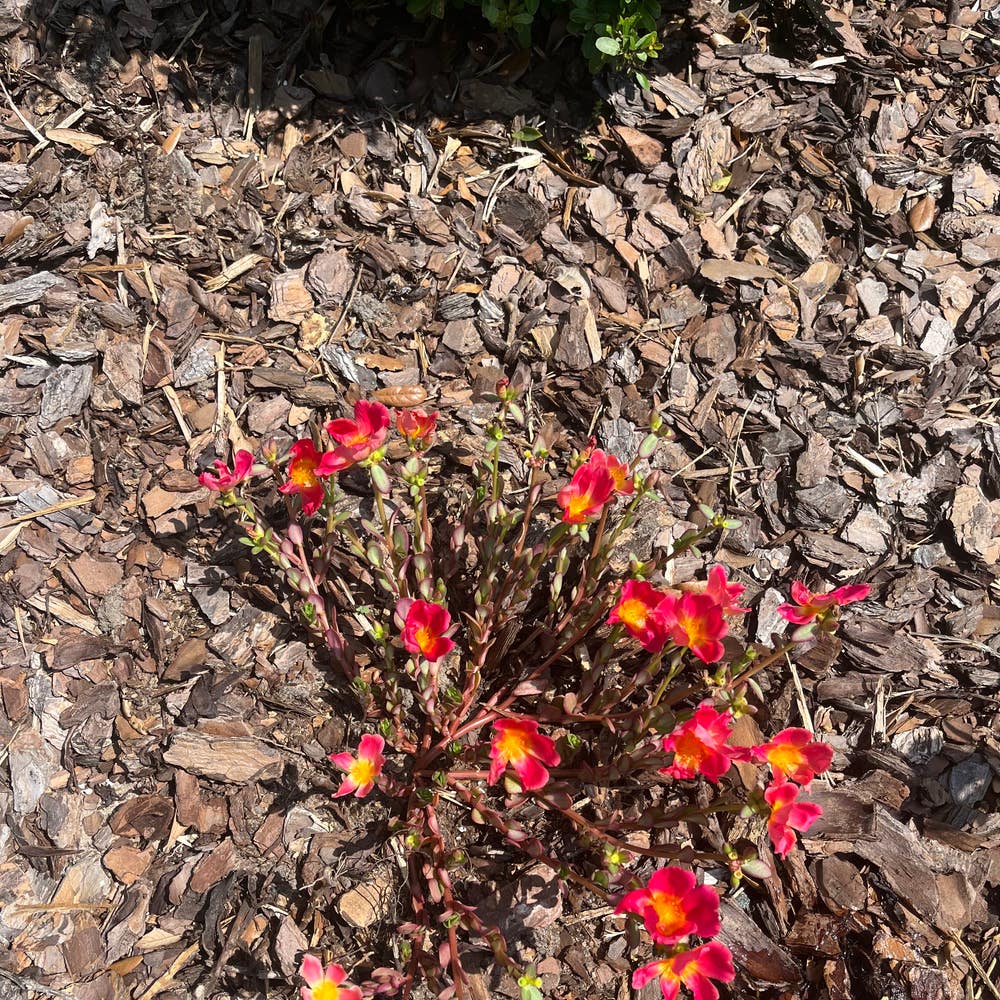
5 Factors for Optimal Wingpod Purslane Growth
Portulaca umbraticola
By the Greg Editorial Team
Sep 30, 2024•6 min read
This article was created with the help of AI so we can cover more plants for you. May contain errors. See one? Report it here.
Cultivate thriving Wingpod Purslane with essential tips on site selection, soil prep, and care! 🌱
- ☀️ Wingpod Purslane needs 6-8 hours of sunlight daily for optimal growth.
- 🌡️ Ideal temperatures for growth are between 20°C to 30°C (68°F to 86°F).
- 🌱 Well-draining soil with pH 6.0 to 7.0 ensures healthy root development.
Site Selection and Soil Preparation
Choosing the Right Location 🌞
To grow Wingpod Purslane successfully, start by selecting a location that receives full sun for at least 6 to 8 hours daily. This plant thrives in warm conditions, ideally between 20°C to 30°C (68°F to 86°F), making it perfect for those sunny garden spots.
Soil Type and pH Requirements 🌱
Next, focus on the soil. Wingpod Purslane prefers well-draining sandy or loamy soil, which allows for optimal root development. Aim for a pH range of 6.0 to 7.0 to ensure your plants can absorb nutrients effectively.
Soil Preparation Techniques 🛠️
Preparing your soil is crucial for healthy growth. Begin by incorporating organic matter, like compost, to boost fertility and enhance soil structure.
Ensure proper drainage to prevent root rot, which can be detrimental to your plants.
Finally, consider using a soil test kit to assess nutrient levels and pH, allowing you to make informed amendments for optimal growth.
With the right location and soil preparation, you're setting the stage for a thriving Wingpod Purslane garden. Next, let's dive into effective planting techniques to get those seeds in the ground!
Planting Techniques
🌱 Seed Selection and Sourcing
Choosing the right seeds is crucial for successful Purslane growth. Opt for high-quality seeds from reputable suppliers to ensure robust plants.
When considering seed types, weigh the benefits of organic versus non-organic options. Organic seeds often promote healthier soil and biodiversity, while non-organic seeds may offer higher yields.
🌍 Direct Sowing vs. Transplanting
Direct sowing is ideal for outdoor gardens. Plant seeds after the last frost date, burying them about 1/4 inch deep for optimal germination.
If you prefer starting seeds indoors, transplanting is your best bet. Begin this process 4-6 weeks before the last frost, and remember to harden off seedlings by gradually acclimatizing them to outdoor conditions.
📏 Spacing and Depth for Optimal Growth
Proper spacing is essential for healthy Purslane plants. Aim for a distance of 12-18 inches apart to allow for adequate ground cover and airflow.
Additionally, ensure that seeds are not buried too deep. This helps them sprout effectively and reach for the sunlight they crave.
With these planting techniques in mind, you're well on your way to cultivating thriving Purslane. Next, let’s explore how to care for your plants through watering and fertilizing.
Watering and Fertilizing
💧 Watering Frequency and Techniques
Watering your Wingpod Purslane is crucial for its growth. During dry spells, aim for a weekly watering schedule, but once established, you can reduce frequency.
Utilizing drip irrigation or soaker hoses is a smart choice. These methods minimize water loss and ensure that moisture reaches the roots effectively.
🌱 Fertilizer Types and Application Methods
For optimal growth, a balanced NPK fertilizer, like 10-10-10, is recommended. This ensures your plants receive the essential nutrients they need.
You can apply fertilizers through top-dressing or by mixing them into the soil before planting. Both methods are effective, but choose what fits your gardening style best.
🚿 Signs of Overwatering or Underwatering
Recognizing the signs of overwatering is essential. Look for yellowing leaves, wilting, or even root rot as indicators that your plants are getting too much water.
On the flip side, underwatering manifests as crispy, shriveled leaves and stunted growth. Keeping an eye on these signs will help you maintain a healthy watering routine.
With proper watering and fertilizing techniques, your Wingpod Purslane will thrive beautifully. Next, let’s explore the importance of pruning and ongoing care to ensure your plants remain healthy and productive.
Pruning and Ongoing Care
🌱 Pruning Techniques for Healthy Growth
Pruning is essential for maintaining the health of your Wingpod Purslane. Aim to pinch back stems in early spring or late fall to encourage bushier growth.
This simple technique not only promotes a fuller plant but also helps improve air circulation, reducing the risk of disease.
🧹 Regular Care Routine
Weeding is crucial for your plants to thrive. Regularly remove weeds to reduce competition for nutrients and water.
Additionally, applying organic mulch can help retain moisture and suppress weed growth, creating a healthier environment for your Purslane.
❄️ Seasonal Care Considerations
In colder climates, winter care is vital. Protect your plants by covering them with mulch or fabric to shield them from harsh conditions.
During the summer, keep an eye out for heat stress. Adjust your watering schedule as needed to ensure your plants remain hydrated and healthy.
With these ongoing care practices, your Wingpod Purslane will flourish, setting the stage for a bountiful harvest. Next, let’s explore common challenges you might face and how to tackle them effectively.
Common Challenges and Solutions
🐛 Identifying and Managing Pests
Common Pests
Pests can be a real headache for Wingpod Purslane growers. Aphids are notorious for their rapid reproduction and can quickly infest your plants. Look for signs like curled leaves and sticky residue. Control them effectively with insecticidal soap, which is both safe and efficient.
Slugs are another common nuisance. They leave behind a trail of slime and can cause significant damage to your plants. To prevent them, consider using beer traps or diatomaceous earth, both of which are effective and eco-friendly solutions.
🦠 Disease Prevention and Treatment
Common Diseases
Fungal issues can also plague your Purslane. Symptoms like leaf spots and wilting are telltale signs that something's off. To prevent these problems, ensure proper spacing between plants for air circulation and avoid overhead watering, which can create a damp environment conducive to fungal growth.
🌱 Tips for Overcoming Growth Challenges
Temperature fluctuations can stress your plants, so it's essential to maintain consistent conditions. Use row covers or shade cloths to protect them from extreme temperatures.
Humidity management is crucial too. In arid environments, consider misting your plants or using a humidifier. Conversely, in humid conditions, ensure good airflow to prevent mold and mildew. By staying proactive, you can keep your Purslane thriving through any challenge.
With these strategies in hand, you're well-equipped to tackle common issues and ensure a bountiful harvest. Next, let’s dive into the best harvesting tips to maximize your Purslane's potential!
Harvesting Tips
Timing and Techniques 🌅
The best time to harvest Purslane is early morning. This is when the leaves are crisp and packed with flavor.
To harvest, simply snip the leaves and stems using clean scissors. This method ensures you don’t damage the plant, allowing it to continue growing.
Storage and Usage 🥗
For storage, keep fresh Purslane leaves in the refrigerator. This helps maintain their crispness and flavor.
If you want to preserve them for longer, consider drying the leaves. Dried Purslane can be a delightful addition to various dishes.
Incorporate Purslane into your meals by adding it to salads, soups, or smoothies. Its unique taste and nutritional benefits make it a versatile ingredient.
With these tips, you can enjoy the full potential of your Purslane harvest. Now, let’s explore how to tackle common challenges in growing this resilient plant.
⚠️ Safety First
This content is for general information and may contain errors, omissions, or outdated details. It is not medical, veterinary advice, or an endorsement of therapeutic claims.
Always consult a qualified healthcare professional before using any plant as food, medicine, or supplement.
Never eat any plant (or feed one to pets) without confirming its identity with at least two trusted sources.
If you suspect poisoning, call Poison Control (800) 222-1222, the Pet Poison Helpline (800) 213-6680, or your local emergency service immediately.
Spotted an error? Please report it here.
Cultivate thriving Wingpod Purslane 🌞 by mastering sunlight, soil, and care techniques, and let Greg provide tailored reminders to keep your plants flourishing every step of the way!