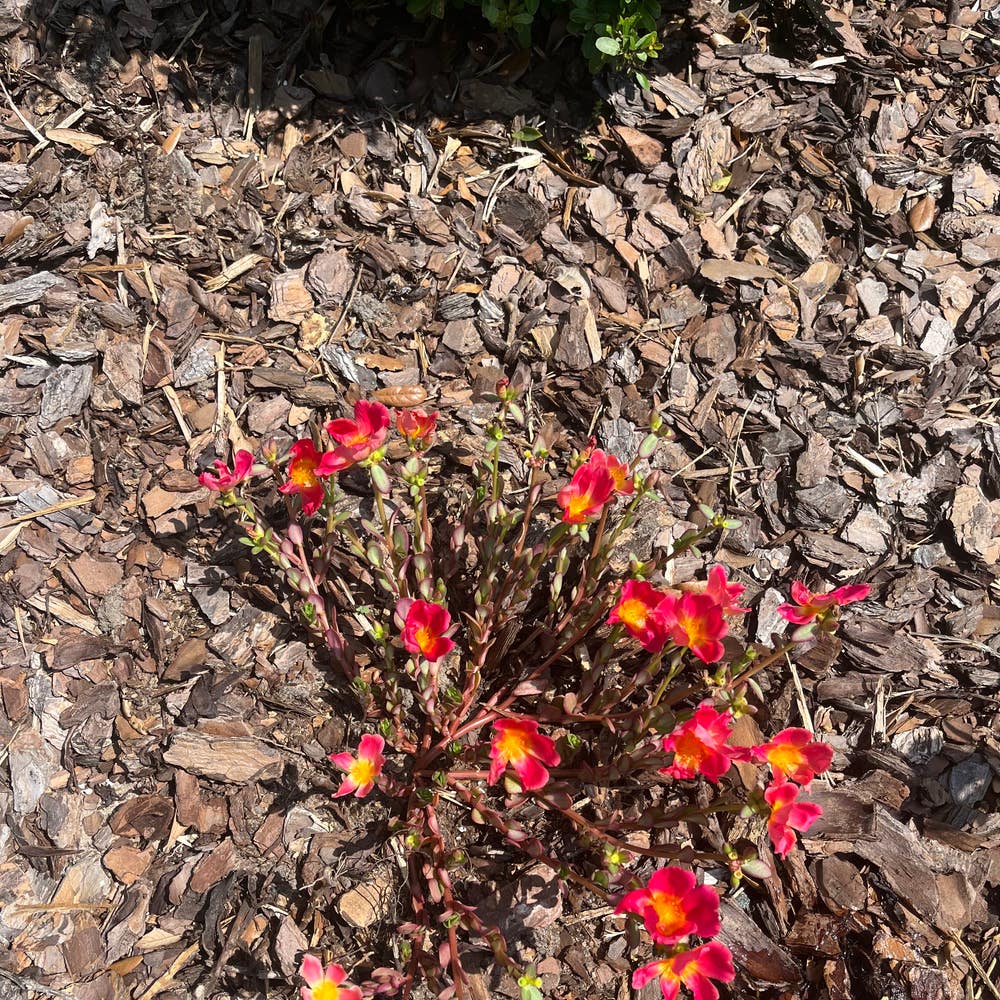
How Can You Tell If A Wingpod Purslane Is Dying?
Portulaca umbraticola
By the Greg Editorial Team
Jun 17, 2024•5 min read
This article was created with the help of AI so we can cover more plants for you. May contain errors. See one? Report it here.
Revive your wilting Wingpod Purslane 🌿 with essential distress signals and rescue remedies!
- Yellow leaves and mushy stems signal over-watering; let soil dry out.
- Leggy growth and pale leaves mean poor light; provide bright, indirect sunlight.
- Fuzzy growth and musty smell indicate fungal issues; improve airflow and drainage.
Watering Issues and Solutions
Navigating the waters of plant care, Wingpod Purslane's hydration needs are a balancing act.
💦 Over-Watering Symptoms
Yellowing leaves, wilted foliage, and mushy stems are the plant's SOS signals. A foul odor from the soil is another dead giveaway.
💧 Over-Watering Solutions
Cut back on the H2O; let the soil dry out before the next watering. Ensure your pot doesn't trap water and has proper drainage. If the soil feels like a wet sponge, you've gone too far.
🏜️ Under-Watering Symptoms
Shriveled leaves and droopy stems are the plant crying out, "I'm thirsty!" Brown edges and dropping leaves can also signal a hydration crisis.
💦 Under-Watering Solutions
Consistency is key—water regularly but don't flood the scene. Check the soil's mood with a finger test; if it's dry an inch down, it's time for a drink.
Remember, the goal is to avoid turning your plant care routine into a waterlogged tragedy or a drought-induced drama.

Light and Temperature Concerns
🌞 Symptoms of Poor Light Conditions
Leggy growth and pale leaves are telltale signs your Wingpod Purslane is craving more light. Leaf discoloration, especially when leaves look faded, signals that your plant's personal light show is underwhelming.
💡 Solutions for Light Issues
To remedy this, bright, indirect sunlight is the sweet spot. Think of it as the plant's preferred spa setting—soothing yet rejuvenating. Rotate the plant occasionally to ensure even exposure, preventing the botanical equivalent of a lopsided tan.
🌡️ Temperature Troubles
When it comes to temperature, stability is key. Wingpod Purslane dislikes the drama of fluctuating climates. If leaves start to look like they've seen a ghost—pale and shocked—it might be time to check the thermostat.
💡 Solutions for Temperature Stability
Aim for a consistent temperature that mimics a mild spring day, every day. If your plant could wear a sweater, it wouldn't need to in these conditions. Keep it away from drafts, vents, and the icy touch of window glass during cold snaps.

Pest Infestations
🕵️ Identifying the Culprits
Visible pests or damage on your Wingpod Purslane? Time to play detective. Check for leaf curling, dark spots, or sticky residues. These are telltale signs that uninvited guests are throwing a party at your plant's expense.
🚨 Early Action is Key
Caught early, a pest problem is just a hiccup. Inspect regularly and act fast. If you spot white fuzz or tiny critters, don't wait for an RSVP—treat immediately.
🐜 Specific Pests, Specific Measures
Aphids sucking the life out of your Purslane? A spritz of neem oil might just be the eviction notice they need. Spider mites? Insecticidal soap can wash away your troubles. Remember, pests are like bad habits—easier to ditch early on.
✂️ Pruning: The First Line of Defense
See a leaf that's more pest than plant? Prune it. It's like cutting off a thief's escape route. Plus, it prevents the spread of the infestation to the rest of your green buddy.
🦸 When to Call the Pros
If your Purslane's pest party is too wild to handle, don't play hero. Contact your local extension office or a plant clinic. They're the bouncers in this scenario.
🛡️ Prevention: The Best Medicine
Lastly, prevention is better than cure. Keep your Purslane clean and check it often, like you would a pet. After all, a healthy plant is less inviting to pests. And remember, happy gardening doesn't include uninvited pests.

Fungal Problems and Root Rot
🍄 Identifying Fungal Issues
Fuzzy growth on soil or stems is a dead giveaway of fungal presence. It's like unwanted white, decorative fluff that's definitely not part of the aesthetic. If you spot this, it's time to boost airflow—think gentle, non-tornado-like breeze.
🚨 Recognizing Root Rot
Root rot is sneakier; it starts underground, out of sight. Dark, mushy roots and a musty, "left the laundry in the washer too long" smell are the SOS signals. If the roots look like they've been through a horror movie—brown, slimy, and collapsing—it's a code red situation.
🛠 Solutions for Fungal Woes
First, cut back on watering. Your plant isn't a fish; it doesn't need to swim. Let the soil dry out like a desert before you even think about watering again. If your soil smells worse than your gym socks, it's time to replace it.
🩹 Root Rot Remediation
Caught root rot? It's surgery time. Trim the dead roots with sterilized scissors like you're a plant surgeon. Then, repot with well-draining soil and consider a fungicide dip to prevent a zombie root apocalypse. Remember to clean the pot with a bleach solution to kill any lingering fungal party-goers.
🛡️ Preventative Measures
Prevention is better than cure, so keep your plant's feet dry. Ensure proper drainage and don't let it sit in water like it's enjoying a spa day. Overhead watering is a no-go; it's like pouring water on your electronics—nothing good will come of it. Keep the air moving around your plant to avoid creating a fungal rave environment.
⚠️ Safety First
This content is for general information and may contain errors, omissions, or outdated details. It is not medical, veterinary advice, or an endorsement of therapeutic claims.
Always consult a qualified healthcare professional before using any plant as food, medicine, or supplement.
Never eat any plant (or feed one to pets) without confirming its identity with at least two trusted sources.
If you suspect poisoning, call Poison Control (800) 222-1222, the Pet Poison Helpline (800) 213-6680, or your local emergency service immediately.
Spotted an error? Please report it here.
By monitoring your Wingpod Purslane's needs with Greg's custom care reminders 📅, you'll prevent over-watering, pests, and ensure it's always in the perfect spot for health and happiness!