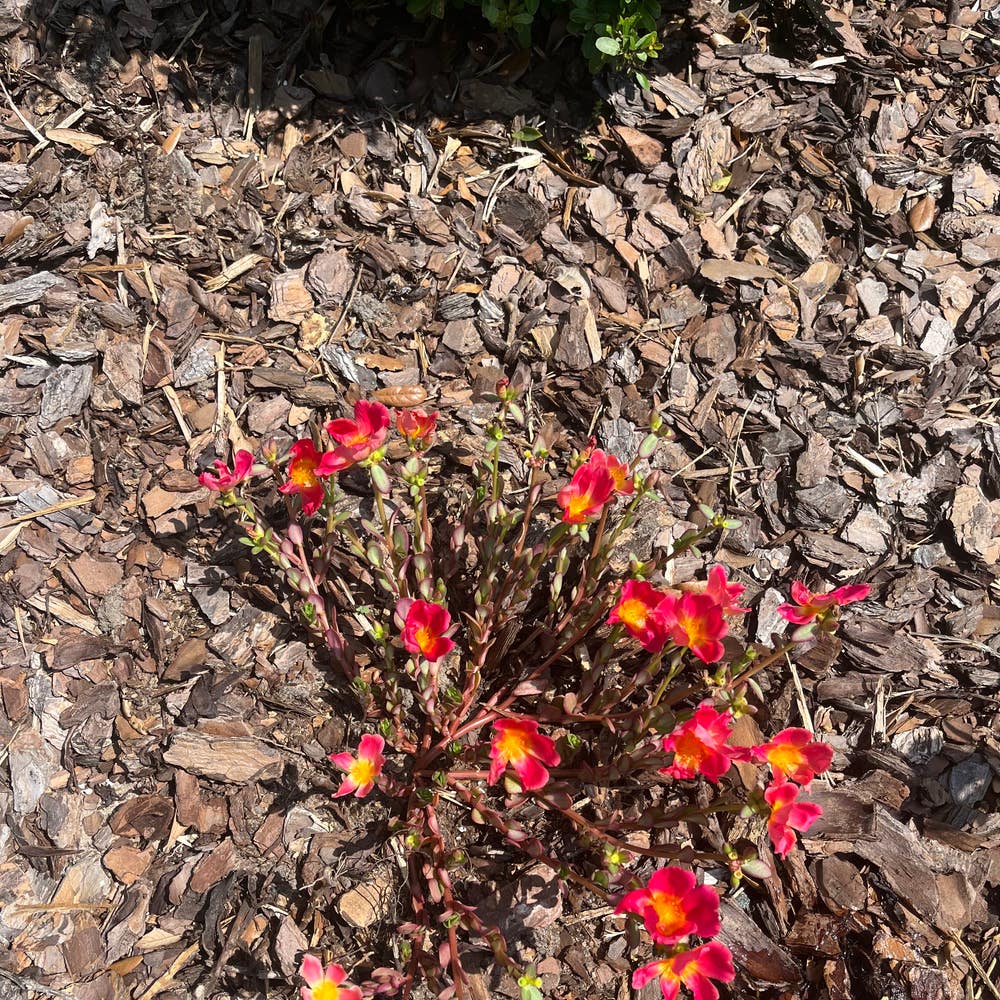
Why Are There Brown Spots on My Wingpod Purslane Leaves?
Portulaca umbraticola
By the Greg Editorial Team
Jun 17, 2024•6 min read
This article was created with the help of AI so we can cover more plants for you. May contain errors. See one? Report it here.
Banish brown spots on your Wingpod Purslane 🌿 and restore leafy perfection with our targeted rescue guide!
- Fungal issues, overwatering, sunburn, pests cause brown spots on Wingpod Purslane.
- Diagnose carefully: inspect leaves, stems, roots, and soil moisture.
- Prevent with care: consistent watering, indirect light, clean leaves, and regular inspections.
Diagnosing Brown Spots on Wingpod Purslane
Wingpod Purslane, with its tart leaves and vibrant flowers, is not immune to the dreaded brown spots. Let's play plant detective and crack this case.
🕵️ Characteristics of Brown Spots
Circular or irregular—brown spots on Wingpod Purslane can vary. They might be uniform circles or freeform blobs. Look for gray spores or a furry texture, which scream fungal issues like Botrytis.
🕵️ Steps to Diagnose
- Inspect the leaves, stems, and roots for discoloration or damage. Don't ignore the underside of leaves; pests love to lurk there.
- Soil check—is it soggy? Overwatering can lead to root rot, which manifests as brown spots above.
- Sunburn—pale discoloration that turns crispy brown could mean your Purslane caught too many rays.
- Lab tests—when in doubt, get the pros involved. They can pinpoint issues beyond the naked eye.
Remember, brown spots are not just an aesthetic issue; they're a cry for help from your green buddy.

Addressing Overwatering Issues
Overwatering is a common misstep that can lead to the dreaded brown spots on your Wingpod Purslane. The signs are telling: leaves may appear limp or mushy, and the soil feels more like a swamp than a nurturing bed. If the pot's more waterlogged than a sunken ship, you've gone overboard with hydration.
🚰 Recognizing the Signs
- Soggy soil is a dead giveaway. If the earth clings to your fingers with a wet desperation, it's time to ease up on the watering can.
- Leaves that feel softer than a marshmallow in hot chocolate are crying out for an intervention.
- Yellowing leaves or those mysterious brown spots are like flashing warning signs on your plant's personal dashboard.
🆘 Immediate Rescue Steps
- Halt all watering until the soil dries out. Your plant isn't a fish; it doesn't need to swim.
- Consider a pot with better drainage. If your current pot traps water like a dam, it's time for an upgrade.
- Mix in perlite or sand to improve soil drainage. Your plant's roots need to breathe, not snorkel.
- If the situation is dire, repot the plant. Gently remove your Purslane, shake off the excess mud, and give it a fresh start in a new home with proper drainage.
- In the future, test the soil's moisture with a simple finger probe before watering. If it's damp beneath the surface, give your watering hand a rest.
Remember, Wingpod Purslane isn't auditioning for a role in "Waterworld." Keep the watering judicious, and those brown spots will be history.

Treating Sunburn on Leaves
🌞 Identifying Sunburn on Wingpod Purslane
Sunburn on Wingpod Purslane manifests as brown spots with a crispy texture, particularly on thinner leaf areas. The leaves may appear bleached, indicating damage from excessive sunlight.
🚑 Immediate Treatment Steps
If you've caught your Wingpod Purslane with a sunburn, here's the drill:
- Prune the damaged leaves. This isn't a plant fashion statement; it's triage. Removing the most affected areas allows the plant to redirect its energy to the healthy parts.
- Relocate your plant. Wingpod Purslane enjoys the sun, but like a pale tourist in the tropics, there's a limit. Move it to a spot with indirect light to prevent further solar sabotage.
- Hydrate appropriately. After a sunburn, your plant's thirst might increase. Water it, but don't drown it in your guilt. Stick to a balanced watering schedule.
🌱 Long-Term Recovery
For the long haul, you'll want to:
- Monitor the plant's progress. Keep an eye out for new brown spots. If they appear, reassess the lighting situation.
- Adjust the exposure gradually. Wingpod Purslane can handle some rays, but it's all about acclimation. Introduce it to brighter spots incrementally.
- Protect during heatwaves. If the mercury's rising, provide some shade. Think of it as sunscreen for your succulent.
Remember, sunburn is a setback, not a death sentence. With the right moves, your Wingpod Purslane will be back to its glossy green glory in no time.

Combating Fungal Infections
Recognizing the signs of fungal infections in Wingpod Purslane is crucial. Look for yellow rings with dark centers, resembling flat pimples, or pock-marked craters on the leaves. These symptoms differ from the uniform browning caused by sunburn or the irregular damage from pests.
🌿 Effective Fungicide Treatments
Act fast with fungicides to halt the spread of fungus. Copper-based fungicidal soaps are a go-to; they penetrate leaves, thwarting spore germination. For a broader approach, all-purpose fungicides like chlorothalonil or thiophanate-methyl can be applied, strictly following label instructions.
🍃 Natural Remedies for Fungal-Caused Brown Spots
If you're leaning towards organic solutions, a baking soda and liquid soap concoction can be a mild yet effective remedy. Mix ½ teaspoon of baking soda and one teaspoon of liquid soap in a gallon of water, and spray thoroughly every two weeks. Neem oil extract is another natural option, known for its fungicidal properties and safety for pollinators.
Remember, good light and airflow are your allies in preventing fungal woes. Regular, light fertilization helps too—think "weakly, not weekly." Keep an eye out for early signs of trouble and never let fungal issues fester; they can spread to other plants if left unchecked.
Managing Pests to Prevent Brown Spots
Pests can turn your Wingpod Purslane into an all-you-can-eat buffet, leaving brown spots as their calling card. Let's get down to brass tacks on keeping these freeloaders at bay.
🐜 Common Culprits
Aphids and spider mites are the usual suspects when it comes to unwanted leaf decor. They suck the life out of your plants, quite literally, and leave behind those unsightly spots.
🌿 Organic Warfare
Neem oil and insecticidal soap are your go-to weapons. They're like the bouncers at the club, showing pests the door without trashing the place.
👀 Regular Inspections
Make it a habit to inspect your Purslane. Catching the party crashers early means less damage and easier control.
🧹 Clean Living
Keep the area around your plant debris-free. Pests love clutter; it's their version of a five-star hotel.
⚠️ When to Escalate
If you've gone through the organic arsenal and those pests are still kicking, it's time for the heavy hitters. Horticultural oils can be effective, but remember to follow the label to the letter.
⚖️ Balance is Everything
It's a tightrope walk – you want to evict the pests without turning your plant into a chemical wasteland. Treat with care, and your Wingpod Purslane will thank you with spotless leaves.
Preventative Care for Healthy Leaves
💧 Best Practices for Watering and Sunlight Exposure
Watering your Wingpod Purslane is like walking a tightrope—too much or too little, and you're in for a show of brown spots. Aim for a consistent moisture level, letting the soil dry out slightly between waterings. When it comes to sunlight, think of your plant as a sunbather who hates getting burned. Indirect light is your friend here; direct sunlight is the enemy.
👀 Regular Plant Inspection and Early Intervention
Inspect your plants like a hawk. Look for early signs of distress—discoloration, drooping, or spots. Catching issues early is like nabbing a typo before you hit send—an easy fix instead of a facepalm moment. Cleanliness is next to godliness; keep those leaves dust-free with a gentle wipe. And remember, repotting isn't just for aesthetics—it gives your plant room to thrive.
⚠️ Safety First
This content is for general information and may contain errors, omissions, or outdated details. It is not medical, veterinary advice, or an endorsement of therapeutic claims.
Always consult a qualified healthcare professional before using any plant as food, medicine, or supplement.
Never eat any plant (or feed one to pets) without confirming its identity with at least two trusted sources.
If you suspect poisoning, call Poison Control (800) 222-1222, the Pet Poison Helpline (800) 213-6680, or your local emergency service immediately.
Spotted an error? Please report it here.
Keep your Wingpod Purslane spotless 🌿 with Greg's custom watering schedule and care tips, preventing brown spots before they start!