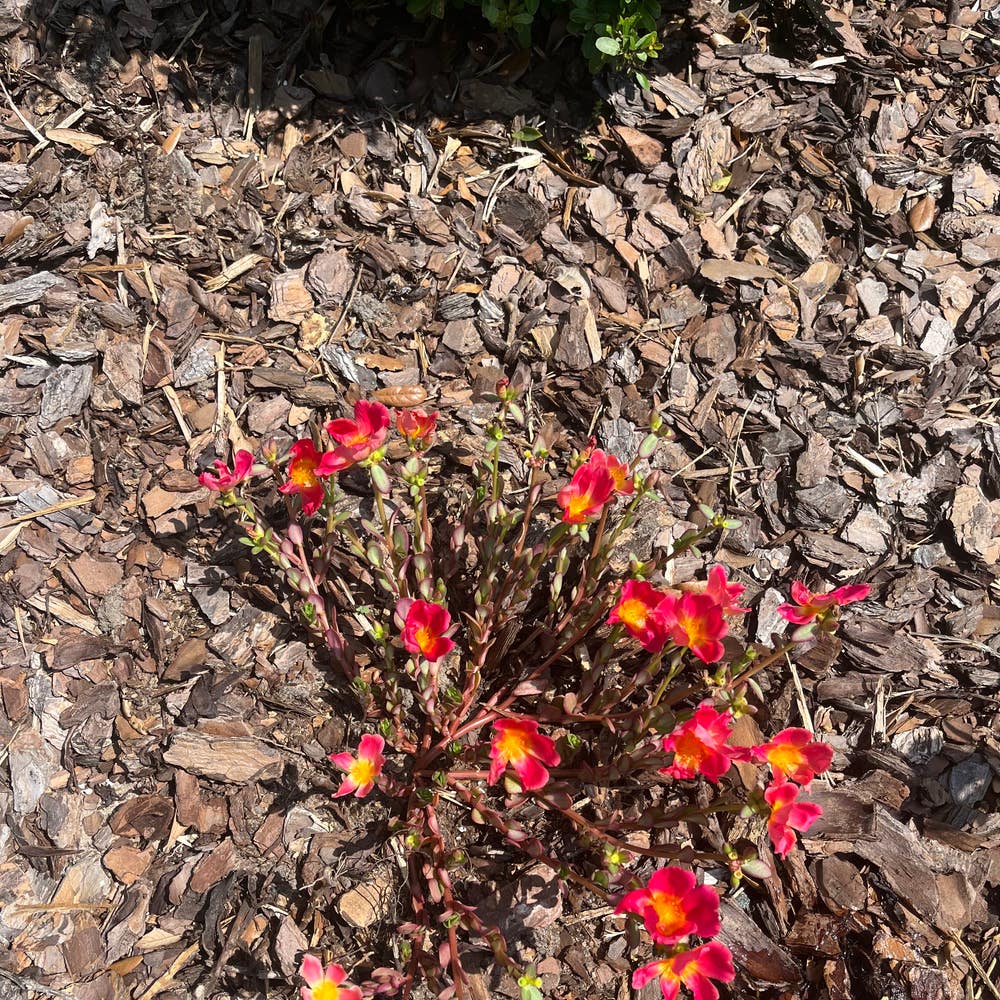
Why Are My Wingpod Purslane Leaves Mushy?
Portulaca umbraticola
By the Greg Editorial Team
Jun 17, 2024•6 min read
This article was created with the help of AI so we can cover more plants for you. May contain errors. See one? Report it here.
Prevent Wingpod Purslane's mushy leaves 🍂 and ensure its vibrant health with these essential care tips.
[[Thoughts]]: The revised statement is more concise and directly addresses the reader's intent to learn how to care for their plant. It implies that the article contains important tips and maintains a light-hearted tone with the use of an emoji.
- Overwatering leads to mushy leaves, adjust watering and improve drainage.
- 🍄 Fungal infections cause mushiness, look for fuzzy growth and treat with fungicide.
- Prevent mushiness with sterile potting mix, proper pruning, and consistent watering.
Recognizing Symptoms of Mushy Leaves
👀 Visual Indicators
Yellowing leaves and a wilted appearance are your Wingpod Purslane's way of waving a white flag. Dark, ominous patches on leaves spell trouble. If you notice a darker perimeter on the leaves, it's not just a new fashion statement—it's a distress signal.
✋ Tactile Indicators
Get touchy-feely with your plant. Leaves that have the consistency of overcooked spinach are a no-go. If they squish under gentle pressure instead of bouncing back, it's time for some plant triage.
🚨 Early Warning Signs
A foul odor emanating from the soil is like a bad perfume that screams "help needed." If the stems have turned mushy, it's akin to finding your favorite plant in quicksand—immediate action is required.
📌 Distinguishing Symptoms
Don't confuse thirst signals—like shriveled leaves—with mushiness. If your plant's leaves are more puffy than a down jacket, you've got a different kind of problem on your hands. And remember, a leaf that's more limp than a forgotten birthday balloon is a cry for help.

Primary Causes of Leaf Mushiness
Overwatering is the chief culprit behind mushy leaves in Wingpod Purslane. It's a classic case of too much love drowning the plant's roots, leading to their decay. When roots are waterlogged, they're deprived of oxygen and become vulnerable to rot, which quickly turns leaves into a mushy mess.
🌊 The Role of Overwatering
Overwatering is like a flood in your plant's world. It's not just about the frequency of watering but also the quantity. Roots need air as much as they need water, and without a balance, they'll start to suffocate. This lack of oxygen leads to a weakened plant that's an open invitation to diseases.
🚰 Inadequate Drainage: A Compounding Factor
Poor drainage is the unsung villain in the tale of mushy leaves. Even if you're watering judiciously, water needs a clear escape route. Drainage holes are a plant's lifeline, and without them, you're essentially forcing your plant to sit in stagnant water. This is a fast track to root rot and the subsequent mushiness of leaves.
Signs of Poor Drainage
- Soil that feels more like a wet sponge than a nurturing medium.
- Water pooling on the surface or at the bottom of the pot.
- A foul smell emanating from the soil, indicating decay.
Quick Fixes for Drainage Issues
- Ensure pots have adequate drainage holes.
- Consider a soil mix with perlite or coarse sand to improve texture and drainage.
- Elevate pots on feet or a stand to encourage water flow away from the plant base.
Remember, Wingpod Purslane's roots are not scuba divers; they can't survive underwater for long. Keep the soil moist but not soggy, and make sure excess water has a way out.

Fungal Infections and Their Impact
🍄 Recognizing the Fungal Foe
Fuzzy growth on the soil or stems is your red flag—fungi have invaded. It's not a new decor trend; it's a problem. When you see this, it's time to crank up the airflow, but keep it gentle.
🌱 Root Rot: The Silent Assassin
Root rot is the ninja of plant diseases, striking from the shadows. If your plant's roots resemble a zombie apocalypse—dark, mushy, and foul-smelling—you're in the danger zone.
🍂 Symptoms That Scream Fungus
Keep an eye out for leaf discoloration and a general vibe of despair in your plant. If the leaves are turning into a mushy mess, you've got fungal drama.
👻 Botrytis: The Gray Ghost
Botrytis, or gray mold, is a common fungal party crasher. It thrives in cool, damp conditions and can turn your Purslane into a moldy shadow of its former self.
🛠 Rust: The Color of Trouble
Rust isn't just for old cars; it's a fungal issue in plants too. White rust moves faster than a rumor and can take down your Purslane if you're not vigilant.
⚔️ The Battle Plan
First, remove affected areas with the precision of a plant surgeon. Then, introduce a fungicide—think of it as the plant equivalent of hand sanitizer. And remember, good light and avoiding overwatering are your best defenses.

Comprehensive Remedies for Mushy Leaves
💧 Adjusting Watering Schedules
Overwatering is the arch-nemesis of Wingpod Purslane. To combat this, allow the top inch of soil to dry out before watering again. This isn't neglect; it's tough love. Use a soil moisture meter or the trusty finger test to gauge the soil's moisture level. Remember, your plant is not a fish; it doesn't need to swim.
🚰 Improving Soil Drainage
If your potting mix holds water like a sponge, it's time for a change. Mix in perlite or coarse sand to improve drainage and aeration. Think of it as giving your plant's roots room to breathe. Ensure your pot has drainage holes; if not, grab a drill or get a new pot. No holes, no hope.
💨 Aeration Techniques
Air circulation is key. Don't let your Purslane suffocate in a corner. Prune any dead or dying foliage to keep the air flowing and deter fungal freeloaders. And while you're at it, consider a light mulch layer to keep moisture consistent without choking the roots.
🌱 Soil Refresh
Sometimes, a soil refresh is like a spa day for your plant. If the soil feels more like a swamp than a garden, it's time to repot with fresh, well-draining soil. This can be the reset button your plant desperately needs.
✂️ Pruning and Care
When mushiness strikes, it's pruning time. Remove affected areas to prevent the spread of despair. Always sanitize your tools after use; cleanliness is next to plant-godliness. And don't forget to enhance air circulation around your plant—stagnant air is a fungal party waiting to happen.
Effective Prevention Strategies
💧 Best Practices for Watering
Consistency is key when watering Wingpod Purslane. Weekly moistening of the soil caters to the plant's deep-rooted nature without leading to overwatering. It's a delicate dance—too much, and you're flirting with root rot; too little, and you'll witness wilting. Use room temperature rainwater, bottled spring water, or filtered tap water for best results. Ensure the water penetrates deeply, but avoid waterlogging the soil.
🌱 Soil Amendments and Potting Mixes
Drainage is your friend. To keep those leaves firm and perky, opt for a sterile potting mix that promotes good drainage. Adding materials like perlite or coarse sand can improve soil structure, reducing the risk of water retention and subsequent mushiness. For a double whammy, consider mulches that do more than just sit pretty—they can deter weeds and help maintain soil moisture levels without suffocating your Purslane's roots.
Preventing Future Occurrences
Prevention is better than cure, and in the case of Wingpod Purslane, it's about creating an environment that's just right. Avoid regular garden soil; it's a Pandora's box of potential problems. Instead, go for a sterile potting media and clean or new pots to prevent the introduction of pathogens. And remember, a watchful eye and a thoughtful touch go a long way in keeping your Purslane in prime condition.
⚠️ Safety First
This content is for general information and may contain errors, omissions, or outdated details. It is not medical, veterinary advice, or an endorsement of therapeutic claims.
Always consult a qualified healthcare professional before using any plant as food, medicine, or supplement.
Never eat any plant (or feed one to pets) without confirming its identity with at least two trusted sources.
If you suspect poisoning, call Poison Control (800) 222-1222, the Pet Poison Helpline (800) 213-6680, or your local emergency service immediately.
Spotted an error? Please report it here.
Prevent mushy leaves and ensure your Wingpod Purslane thrives by using Greg for custom watering schedules and soil moisture alerts 🚫💧 to strike the perfect balance of air and water.