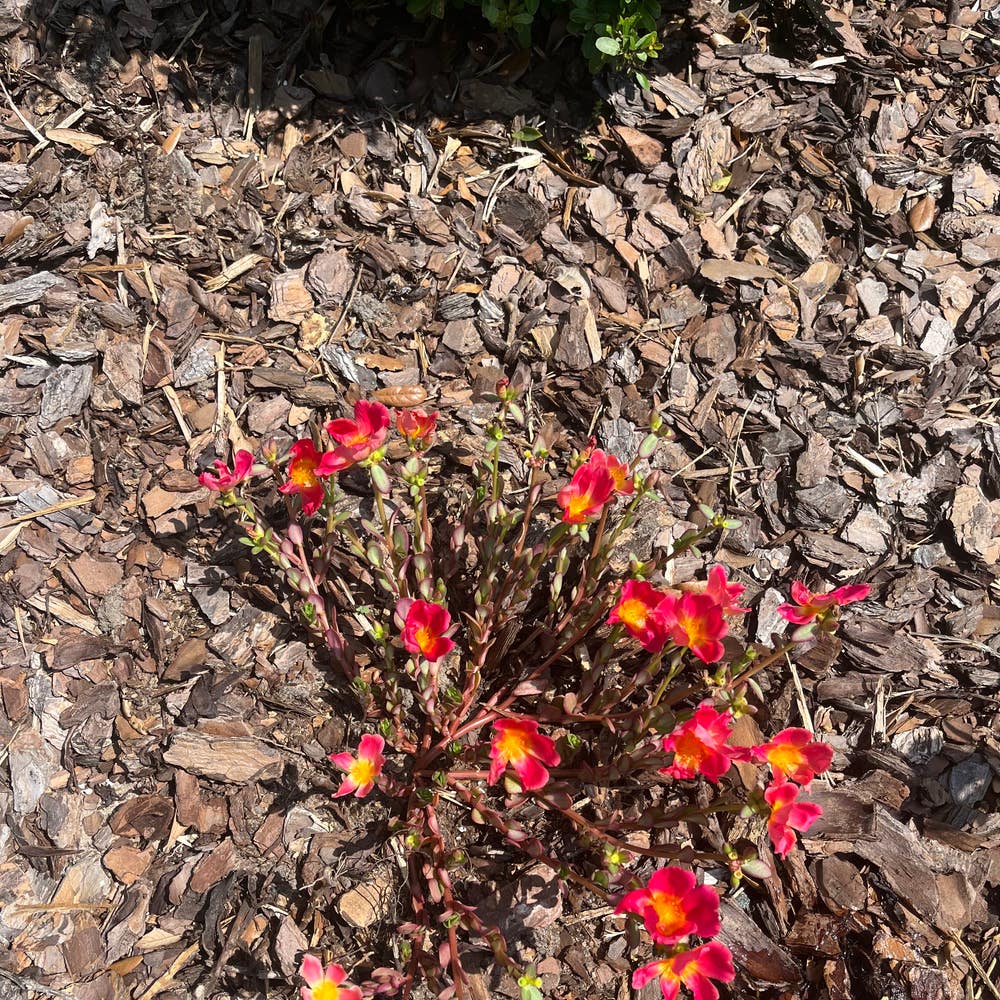
🐛 What's Eating Your Wingpod Purslane
Portulaca umbraticola
By the Greg Editorial Team
Sep 30, 2024•6 min read
This article was created with the help of AI so we can cover more plants for you. May contain errors. See one? Report it here.
Safeguard your Wingpod Purslane from pesky herbivores and nurture a vibrant garden ecosystem! 🌿
- 🦌🐇 Identify herbivores like deer and rabbits to protect your Wingpod Purslane effectively.
- 🔍 Look for signs of damage, such as droppings and bite marks, for early detection.
- 🌱🛡️ Use deterrents like fencing and companion planting to safeguard your plants.
Common Herbivores Affecting Wingpod Purslane
🦌 Deer
Signs of presence and damage caused
Look for hoof prints in muddy areas near your Wingpod Purslane. Browsing on leaves and stems can lead to stunted growth, signaling deer activity.
Beneficial vs. harmful interactions
Deer are generally harmful to your plants. If not managed, they can decimate populations quickly.
Deterrent methods
To keep deer at bay, consider using commercial deer repellents. Alternatively, planting strong-smelling herbs nearby can serve as an organic deterrent.
🐇 Rabbits
Signs of presence and damage caused
Rabbits leave small, round droppings near the plant. They often cause clean cuts on stems and leaves, typically at ground level.
Beneficial vs. harmful interactions
Rabbits are generally harmful, severely impacting plant health. Their appetite can quickly lead to significant damage.
Deterrent methods
Rabbit repellents are readily available in garden stores. For a more organic approach, erect fencing that is 2-3 feet high and consider planting rabbit-resistant plants.
🐿️ Squirrels
Signs of presence and damage caused
Squirrels leave irregular bite marks on chewed leaves and stems. You might also find twigs and leaves taken from your garden as nesting materials.
Beneficial vs. harmful interactions
Squirrels are generally harmful, causing significant plant damage. Their foraging habits can disrupt your garden’s health.
Deterrent methods
Squirrel repellents can help deter these critters. You can also use scare tactics like reflective tape or noise makers to keep them away.
🐦 Birds
Signs of presence and damage caused
Look for peck marks on leaves and fruits as signs of bird activity. Nesting nearby can also indicate their presence.
Beneficial vs. harmful interactions
Birds have mixed interactions with Wingpod Purslane. While some may aid in pollination, others can damage fruits.
Deterrent methods
Bird-safe repellents are available for those looking to protect their plants. Additionally, using netting over your plants can safeguard fruits from pecking.
🐭 Rodents (mice, voles, etc.)
Signs of presence and damage caused
Tunnels or burrows near the plant are clear signs of rodent activity. Gnawed roots and stems can lead to plant decline.
Beneficial vs. harmful interactions
Rodents are generally harmful, causing severe damage to your plants. Their presence can threaten the overall health of your garden.
Deterrent methods
For rodent control, consider using bait stations. Organic methods like traps and natural repellents, such as peppermint oil, can also be effective.
Understanding these common herbivores is crucial for protecting your Wingpod Purslane. By employing effective deterrent methods, you can create a thriving garden ecosystem. Next, let’s explore the beneficial animals that can enhance your garden’s health.
Beneficial Animals and Ecological Role
Description of Beneficial Animals Attracted to Wingpod Purslane 🐝
Wingpod purslane isn't just a feast for herbivores; it also attracts a variety of beneficial animals. Pollinators like bees and butterflies flock to its flowers, playing a crucial role in the garden ecosystem.
Additionally, predatory insects such as ladybugs and lacewings are drawn to the plant. These helpful critters help keep pest populations in check, ensuring a healthier garden environment.
Positive Impacts on the Garden Ecosystem 🌱
The presence of pollinators significantly enhances fruit and seed production. Their diligent work ensures that your plants thrive and produce abundantly.
Moreover, beneficial insects contribute to natural pest control. This reduces the need for chemical interventions, promoting a more sustainable gardening approach. By fostering a balanced ecosystem, you can enjoy a flourishing garden while minimizing harm to the environment.
As you cultivate your garden, remember the importance of these beneficial animals. They not only support the health of your plants but also enrich the entire ecosystem.
With this understanding, let's explore some general strategies for protecting your wingpod purslane from herbivores and other challenges.
General Strategies for Protection
🛡️ Preventive Measures for Protecting Wingpod Purslane
Fencing is one of the most effective ways to protect Wingpod Purslane from larger herbivores like deer and rabbits. A sturdy barrier, ideally 2-3 feet high, can deter these animals from munching on your plants.
Companion planting is another smart strategy. By surrounding your Wingpod Purslane with herbs or flowers that naturally repel herbivores, you create a protective environment that keeps unwanted visitors at bay.
⚠️ Reactive Solutions for Managing Animal Interactions
Monitoring your garden regularly is crucial. Look for signs of animal activity, such as droppings or chewed leaves, to catch any issues early.
When you notice damage, quick action is key. Whether it’s applying repellents or adjusting your protective measures, addressing the problem promptly can save your plants from further harm.
🌱 Balancing Ecosystem Health While Protecting Plants
Encouraging beneficial insects is essential for a healthy garden. Pollinators like bees and predatory insects such as ladybugs can help manage pest populations while supporting your plants.
Understanding the role of each animal in the ecosystem is equally important. By recognizing which creatures contribute positively and which ones pose a threat, you can create a balanced environment that nurtures both your plants and the wildlife around them.
These strategies not only protect your Wingpod Purslane but also foster a thriving garden ecosystem. As you implement these measures, you’ll find a harmonious balance between safeguarding your plants and supporting the natural world.
Seasonal Considerations
🐇 Seasonal Variations in Animal Attraction to Wingpod Purslane
As the seasons change, so does the activity of herbivores around Wingpod purslane. In spring, rabbits and deer become particularly active, drawn to the tender, fresh growth that emerges after winter.
By summer, the focus shifts to birds, which flock to the vibrant fruits and flowers. Their pecking can lead to significant damage if not managed properly.
⏰ Timing of Plant Vulnerability and Animal Activity
The early growth stages of Wingpod purslane are its most vulnerable period. During this time, herbivores are eager to munch on the new leaves, making it crucial to monitor for signs of damage.
As summer progresses, competition for food intensifies. This can lead to more aggressive foraging behaviors from animals, increasing the risk to your plants. Understanding these seasonal patterns can help you take proactive measures to protect your garden.
Toxicity and Safety
Mild Toxicity of Wingpod Purslane 🌱
Wingpod purslane has a mild toxicity that can deter some herbivores. Certain parts of the plant possess an unpleasant taste, which may make them less appealing to animals looking for a snack.
Implications for Herbivore Interactions 🐾
This mild toxicity can lead to reduced feeding by specific animals. However, not all herbivores are affected equally; some may continue to munch away without hesitation.
Understanding these interactions is crucial for gardeners. While some animals might shy away, others could still pose a threat to your plants.
In the next section, we'll explore general strategies for protecting your wingpod purslane from both harmful herbivores and the elements.
⚠️ Safety First
This content is for general information and may contain errors, omissions, or outdated details. It is not medical, veterinary advice, or an endorsement of therapeutic claims.
Always consult a qualified healthcare professional before using any plant as food, medicine, or supplement.
Never eat any plant (or feed one to pets) without confirming its identity with at least two trusted sources.
If you suspect poisoning, call Poison Control (800) 222-1222, the Pet Poison Helpline (800) 213-6680, or your local emergency service immediately.
Spotted an error? Please report it here.
Protect your Wingpod Purslane from pesky herbivores 🐾 by using Greg's personalized care tips and reminders to ensure your plants stay healthy and thriving!