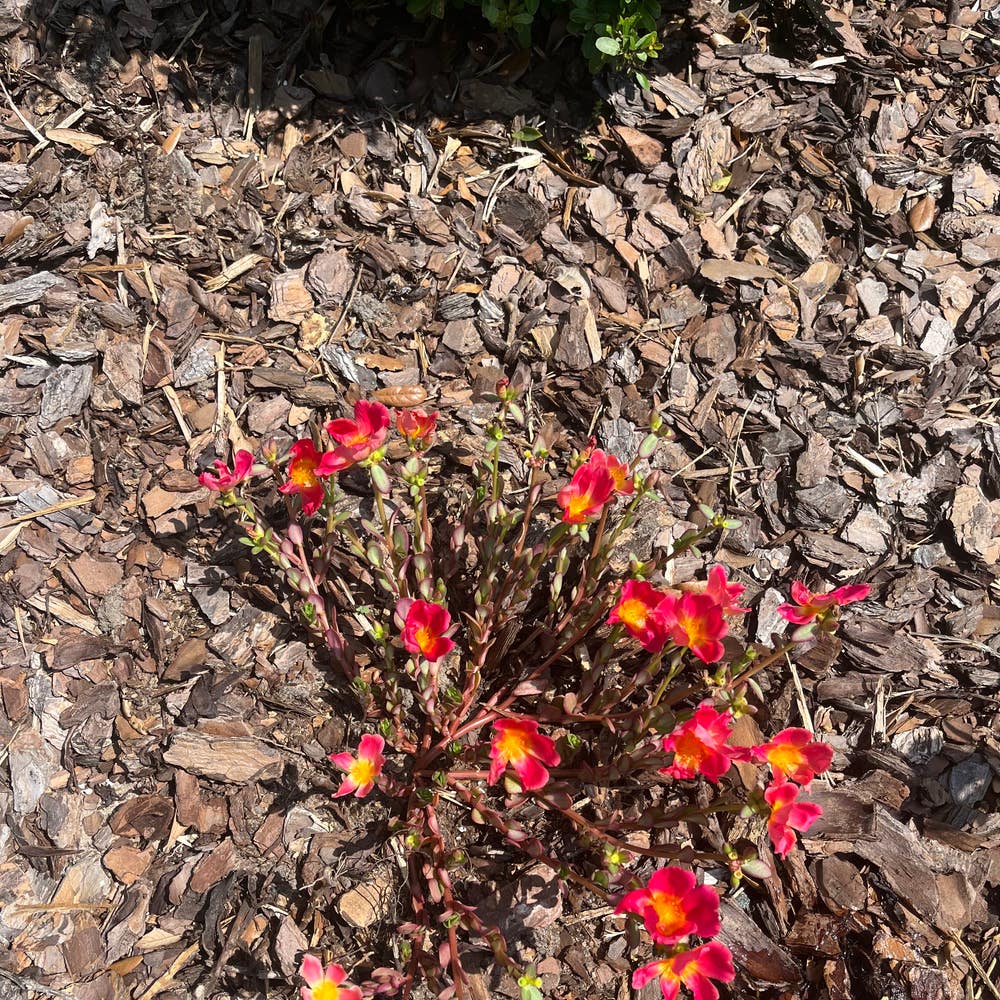
Soil Recommendations for Wingpod Purslane
Portulaca umbraticola
By the Greg Editorial Team
Jun 17, 2024•6 min read
This article was created with the help of AI so we can cover more plants for you. May contain errors. See one? Report it here.
Grow lush Wingpod Purslane 🌿 by mastering the art of soil customization to dodge waterlogging and root woes.
- Avoid waterlogging and root rot by improving soil drainage and aeration.
- Wingpod Purslane prefers pH 6.0-7.0; test and adjust soil pH accordingly.
- Customize soil with amendments or create a homemade mix for optimal growth.
Signs of Inadequate Soil for Wingpod Purslane
💧 Waterlogging and Root Rot
Waterlogging is the bane of Wingpod Purslane's existence. If your plant's leaves are browning or you're witnessing a tragic leaf wilting saga, it's likely pleading for better drainage. Soggy soil is a one-way ticket to root rot city, where roots turn from a healthy white to a dismal brown and your plant's vigor takes a nosedive.
🍄 Mold and Fungal Presence
Spotting a white, fuzzy mold on the soil surface? That's not your plant growing a winter coat; it's a mold invasion. And if you see mushrooms popping up like unwelcome guests, it's time to rethink your watering schedule and soil choice. These fungi are more than just an eyesore; they're symptomatic of a moisture rave happening in your soil, and your Wingpod Purslane is definitely not dancing.

Enhancing Soil Drainage and Aeration
🌱 Improving Soil Structure
Amendments are your Wingpod Purslane's best friends. Mix in coarse sand, perlite, or pumice to break up heavy soils. These gritty materials increase porosity, ensuring water flows through with the grace of a gazelle rather than a sloth.
🏡 Bed Modifications
Raised beds? Absolutely. They're like the penthouses of plant real estate, offering superior drainage and a swanky root environment. Slope your garden beds slightly for that extra drainage oomph, preventing your Purslane from developing a case of the dreaded wet feet.
🚫 Combating Soil Compaction
Compaction is the enemy of aeration. It's like a tight hug that never ends – roots can't breathe! Prevent this by stepping lightly and using tools like the N-Ext Air-8™ Liquid Aeration to create space in the soil. It's like giving your soil a spa day, complete with a deep-tissue massage.
🌿 Mulching and Organic Matter
Mulch isn't just a pretty face; it's a moisture manager and soil conditioner. Organic mulches like composted cow-manure or straw keep the soil ecosystem thriving and the structure loose. It's like a layer of protective, nurturing armor around your plant's roots.
Remember, Wingpod Purslane is more forgiving than your ex, tolerating a range of soils, but it will reward your efforts for better drainage and aeration with vigorous growth and vibrant blooms.

Tailoring Soil pH for Wingpod Purslane
Wingpod Purslane demands a specific pH to optimize nutrient uptake. Let's get down to brass tacks: the sweet spot lies between 6.0 and 7.0.
🌱 Adjusting Soil pH
🍋 Acidifying Soil
Got soil that's too alkaline? Sulfur is your friend. It's a slow burn, so plan ahead.
🍊 Alkalizing Soil
If your soil's too acidic, lime is the go-to. It's like antacid for your garden bed, neutralizing excess acidity.
🧪 Testing Soil pH
Don't guess—test. Affordable pH testing kits are your secret weapon. They're the difference between thriving greenery and a botanical bummer.
🔄 Maintaining pH Balance
Once you've hit the pH jackpot, keep it steady. Organic matter like compost can buffer pH swings, keeping your Wingpod Purslane in the comfort zone.
🗣 Real Talk on pH Adjustments
Be patient—soil pH won't change overnight. And remember, overcorrection is a rookie mistake. Small, measured amendments are the key to success.

Crafting a Wingpod Purslane-Specific Homemade Soil Mix
Creating the ideal soil mix for Wingpod Purslane isn't rocket science, but it does require a bit of dirt-under-the-fingernails experimentation. This hardy plant craves a balance between moisture retention and drainage, so let's get our hands dirty and mix up a batch of botanical bliss.
🌱 Ingredients and Ratios
- 3 parts potting soil: Your base, the bread-and-butter of soil mixes.
- 2 parts perlite or pumice: For that airy feel, ensuring roots can breathe.
- 1 part coarse sand: The gritty reality check that improves drainage.
- A sprinkle of worm castings: The secret sauce for nutrients.
📋 Step-by-Step Mixing Guide
- Gather your materials: Don't skimp on quality here; your Purslane is worth it.
- Mix the base: Combine the potting soil and coarse sand thoroughly.
- Add the fluff: Perlite or pumice comes next, folding it in like you're crafting the flakiest pie crust.
- Nutrient boost: Worm castings are next, just a sprinkle. They're potent, so don't go overboard.
- Test for consistency: The mix should clump lightly in your hand but break apart with a gentle poke.
- Adjust as needed: Too dense? Add more perlite. Too loose? More soil.
🔍 Testing for Suitability
- Moisture check: Water it slightly. It should hold moisture but not feel like a wet sponge.
- Drainage trial: Ensure water runs through with ease, not pooling like a mini-lake.
- Root simulation: Poke around. Imagine being a root in this mix; you'd want to spread out, right?
This homemade mix is a starting point. Tweak the ratios to suit your Purslane's demeanor. Some like it drier, others might want a bit more cushy soil. It's a dance, and you're leading. Keep those feet – or roots – moving.
Selecting the Best Commercial Soil Mixes for Wingpod Purslane
Navigating the commercial soil mix aisle can be like finding a needle in a haystack for your Wingpod Purslane. Here's the lowdown on what to look for and how to tweak it to perfection.
💧 Key Features to Look For
Drainage is king. Wingpod Purslane despises wet feet, so pick a mix that boasts perlite, pumice, or coarse sand. These ingredients ensure that water flows through like gossip in a small town, preventing root rot.
Weight matters. A lighter mix is easier to handle and less likely to compact, giving roots the space to breathe and grow. Plus, it won't turn your pot into a mini dumbbell.
pH balance is crucial. Limestone in the mix can keep the pH in check, ensuring your plant can absorb nutrients like a sponge.
🛠 Customizing Commercial Mixes
Sometimes, off-the-shelf just doesn't cut it. Here's how to tailor a commercial mix to fit your Wingpod Purslane like a glove:
Assess the mix. If it's heavier than your last year's resolutions, it's time to lighten up. Add more perlite or pumice to the mix to improve aeration.
Check the pH. If it's off, tweak it with sulfur to lower or lime to raise the pH. Your plant will thank you with vibrant growth.
Enrich with organics. Mix in some compost or worm castings for a nutrient boost that's like a shot of espresso for your plant's growth.
Remember, when it comes to commercial soil mixes, you're not stuck with what's in the bag. A little customization can go a long way in making your Wingpod Purslane thrive.
⚠️ Safety First
This content is for general information and may contain errors, omissions, or outdated details. It is not medical, veterinary advice, or an endorsement of therapeutic claims.
Always consult a qualified healthcare professional before using any plant as food, medicine, or supplement.
Never eat any plant (or feed one to pets) without confirming its identity with at least two trusted sources.
If you suspect poisoning, call Poison Control (800) 222-1222, the Pet Poison Helpline (800) 213-6680, or your local emergency service immediately.
Spotted an error? Please report it here.
By perfecting your soil mix 🌱, Greg can help you succeed with your Wingpod Purslane by sending tailored reminders for moisture and pH levels, ensuring your plant thrives without the guesswork.