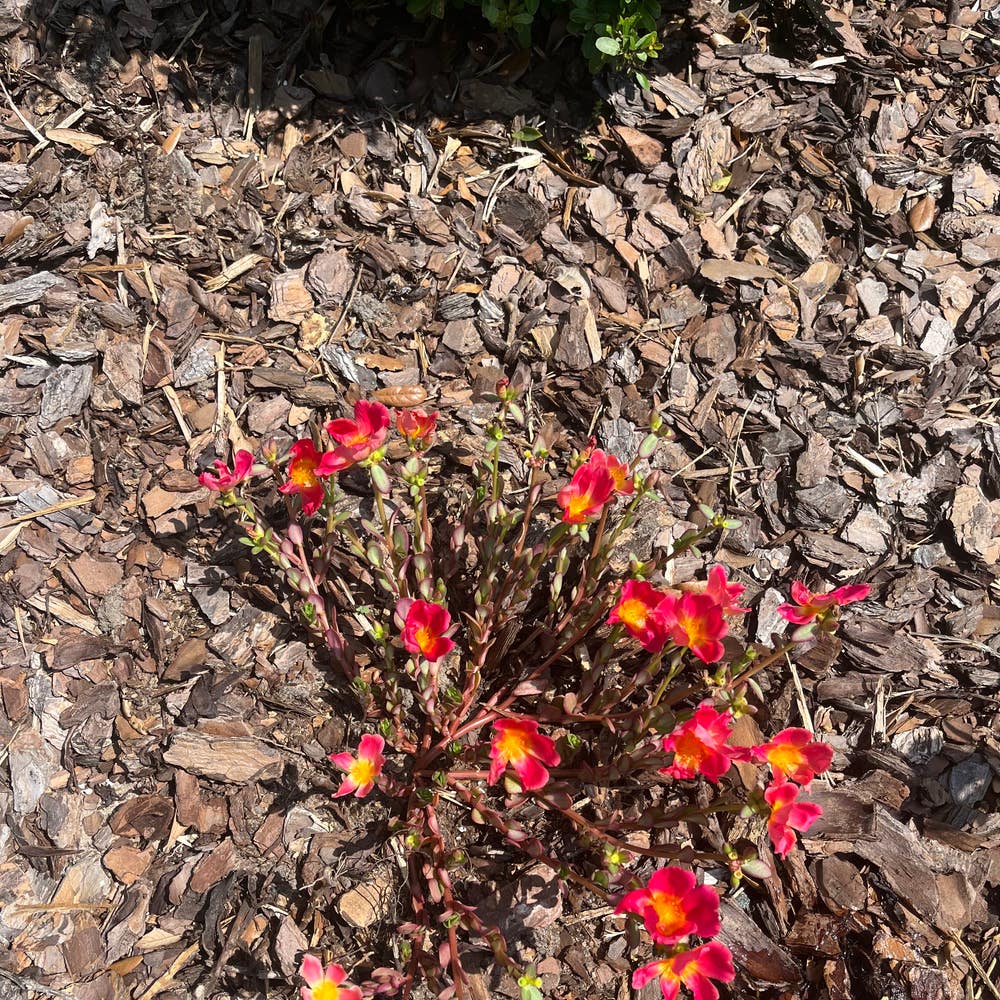
❄️ 8 Winter Care Mistakes to Avoid with Wingpod Purslane
Portulaca umbraticola
By the Greg Editorial Team
Sep 30, 2024•4 min read
This article was created with the help of AI so we can cover more plants for you. May contain errors. See one? Report it here.
Keep your Wingpod Purslane thriving this winter by avoiding common care mistakes! ❄️🌱
- ❄️ Frost protection is vital to prevent irreversible damage to Wingpod Purslane in winter.
- 💧 Overwatering leads to root rot; water every two to three weeks during dormancy.
- 🌡️ Maintain indoor temperatures of 60-70°F for optimal growth during the winter months.
Winter Care Mistakes to Avoid
Mistake 1: Neglecting frost protection ❄️
Frost protection is crucial for Wingpod Purslane. Without it, your plants can suffer irreversible damage, leading to stunted growth or even death.
Look for signs of frost damage, such as blackened leaves or wilting stems. These indicators signal that your plant needs immediate attention.
Mistake 2: Overwatering during dormancy 🚰
Understanding the watering schedule during winter is vital. Wingpod Purslane enters dormancy, requiring significantly less water than in warmer months.
Overwatering can lead to root rot and other issues. Aim to water every two to three weeks, depending on indoor humidity levels.
Mistake 3: Inadequate indoor care 🏠
Indoor and outdoor plants have different care needs. Wingpod Purslane thrives in specific conditions that may not be present indoors.
Common indoor issues include low humidity and fluctuating temperatures. Maintaining a stable environment is essential for keeping your plant healthy.
Mistake 4: Ignoring cold hardiness limits 🌡️
Every plant has its temperature thresholds. Knowing these limits helps you protect your Wingpod Purslane from extreme cold.
Monitor outdoor temperatures regularly. Use a simple thermometer to keep track of conditions that could harm your plants.
Mistake 5: Failing to monitor temperature fluctuations 📉
Stable temperatures are crucial for dormant plants. Sudden changes can stress your Wingpod Purslane, leading to poor health.
Utilize tools like digital thermometers to monitor temperature changes. Implement strategies such as moving plants to sheltered areas during cold snaps to mitigate swings.
By avoiding these common winter care mistakes, you can ensure your Wingpod Purslane remains healthy and vibrant through the colder months. Next, let’s explore effective protection strategies to keep your plants thriving.
Protection Strategies
🌨️ Methods for frost protection
Frost protection is crucial for the health of your Wingpod Purslane. Using physical barriers like covers, cloches, and blankets can shield your plants from harsh winter conditions.
Mulch is another effective strategy. It insulates the soil, helping to maintain a stable temperature around the roots.
Timing is everything when it comes to implementing these frost protection measures. Be proactive and cover your plants before the first frost hits to ensure they stay safe.
🏠 Best practices for indoor winter care
When bringing Wingpod Purslane indoors, aim for an ideal temperature range of 60-70°F. This helps keep your plants thriving during the colder months.
Humidity control is also essential. Consider using humidifiers or pebble trays to maintain moisture levels, as dry indoor air can stress your plants.
Adjust your watering routine based on indoor conditions. Monitor the soil moisture closely, as indoor environments can dry out faster than expected.
By following these protection strategies, you can ensure your Wingpod Purslane remains healthy and vibrant throughout winter. Next, let’s explore how to identify signs of winter damage and prepare for spring recovery.
Spring Preparation and Recovery
🌨️ Signs of Winter Damage
As winter fades, it's crucial to assess your Wingpod Purslane for any signs of damage. Look for discolored leaves, wilting stems, or any unusual growth patterns that indicate stress.
🌱 Assessing Overall Plant Health
Check the overall vigor of your plant. Healthy Wingpod Purslane should have firm, vibrant leaves and a robust stem. If you notice significant damage, it may require immediate attention.
🌿 Steps for Recovery in Spring
✂️ Pruning Damaged Areas
Start by pruning any dead or damaged leaves and stems. This not only improves the plant's appearance but also encourages new growth.
💧 Reintroducing Water and Nutrients Gradually
After pruning, gradually reintroduce water and nutrients. Begin with light watering to avoid overwhelming the plant, and slowly increase as it shows signs of recovery.
🐛 Monitoring for Pests and Diseases
Keep a close eye on your plant for any pests or diseases that may have taken advantage of its weakened state. Early detection is key to preventing further damage.
🌤️ Transitioning Back to Outdoor Conditions
⏰ Timing for Moving Plants Outdoors
Once the threat of frost has passed, it's time to move your Wingpod Purslane outdoors. Aim for a mild day to minimize shock.
🌞 Acclimatization Process
Gradually expose your plant to outdoor conditions. Start with a few hours of sunlight and slowly increase exposure over a week or two.
⚠️ Importance of Monitoring for Stress
During this transition, monitor your plant for signs of stress, such as drooping leaves or discoloration. Adjust its environment as needed to ensure a smooth adjustment back to outdoor life.
With these steps, your Wingpod Purslane will be well on its way to thriving in the warmer months ahead. Next, let’s explore effective protection strategies to safeguard your plants during the winter chill.
⚠️ Safety First
This content is for general information and may contain errors, omissions, or outdated details. It is not medical, veterinary advice, or an endorsement of therapeutic claims.
Always consult a qualified healthcare professional before using any plant as food, medicine, or supplement.
Never eat any plant (or feed one to pets) without confirming its identity with at least two trusted sources.
If you suspect poisoning, call Poison Control (800) 222-1222, the Pet Poison Helpline (800) 213-6680, or your local emergency service immediately.
Spotted an error? Please report it here.
Keep your Wingpod Purslane thriving this winter ❄️ by using Greg's tailored care reminders to protect it from frost and avoid overwatering!