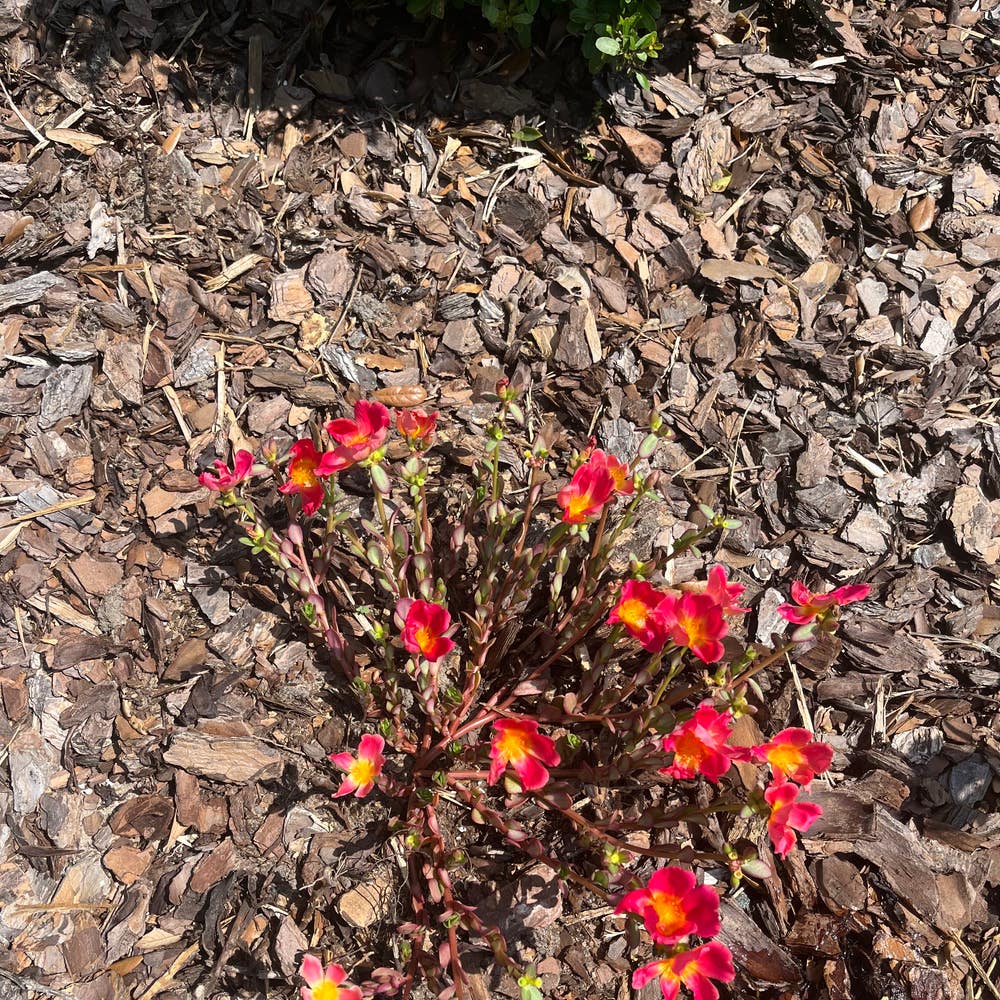
🌸 5 Common Wingpod Purslane Flowering Issues
Portulaca umbraticola
By the Greg Editorial Team
Sep 30, 2024•3 min read
This article was created with the help of AI so we can cover more plants for you. May contain errors. See one? Report it here.
Revive your Wingpod Purslane blooms 🌸 with essential care tips and solutions to common flowering issues!
- 🌞 Wingpod Purslane needs 6-8 hours of sunlight daily for optimal blooming.
- 🌱 Nutrient deficiencies in nitrogen, phosphorus, and potassium hinder flowering success.
- 💧 Overwatering causes flower drop; water only when the top inch of soil is dry.
Common Flowering Issues
🌸 Failure to Bloom
Potential Causes
Light Requirements
One of the primary reasons Wingpod Purslane fails to bloom is insufficient sunlight. If your plants receive less than 6 hours of direct sunlight daily, they may struggle to produce flowers. Excessive shade can also hinder photosynthesis, impacting energy production.
Nutritional Needs
Another factor is a lack of essential nutrients. Deficiencies in nitrogen, phosphorus, and potassium can prevent blooming, leaving your plants looking lackluster.
Environmental Stress
Temperature fluctuations can also play a role. Extreme heat or cold can stress the plants, affecting their ability to flower.
🌼 Solutions
Adjusting Light Exposure
To encourage blooming, increase sunlight exposure to at least 6-8 hours daily. If necessary, relocate your plants to sunnier spots.
Fertilization
Using a balanced fertilizer high in phosphorus can also help. Apply this fertilizer every 4-6 weeks during the growing season for best results.
🌿 Premature Flower Drop
Causes
Overwatering
Overwatering is a common culprit behind premature flower drop. Root rot can lead to stress, causing flowers to fall off before they fully develop.
Pest Infestations
Pests like aphids and spider mites can also stress your plants. These tiny invaders can sap the plant's energy, leading to flower drop.
🌱 Solutions
Proper Watering Techniques
To combat overwatering, only water when the top inch of soil is dry. Ensure your soil is well-draining to prevent waterlogging.
Pest Control
Regularly inspect your plants for pests. If you spot any, apply neem oil or insecticidal soap as needed to keep them at bay.
🌺 Abnormal Flower Development
Causes
Nutrient Deficiencies
A lack of potassium can lead to malformed flowers. Without this crucial nutrient, your plants may struggle to produce healthy blooms.
Pruning Mistakes
Incorrect timing or technique in pruning can also result in poor flower formation. It’s essential to prune at the right time to encourage new growth.
🌻 Solutions
Correct Fertilization
Using a fertilizer rich in potassium can support healthy flower development. This will help your plants produce the blooms you desire.
Proper Pruning Techniques
Prune after flowering to encourage new growth. This timing helps avoid cutting off flower buds prematurely.
🐞 Pest and Disease Management
Common Pests Affecting Flowering
Aphids
These small, green insects suck sap from your plants, leading to bud drop. They can be a significant nuisance if not managed.
Spider Mites
Tiny but destructive, spider mites cause stippling on leaves and can lead to flower drop. Keeping an eye on your plants is crucial.
🧪 Control Methods
Organic Solutions
Consider using neem oil or insecticidal soap for pest control. Introducing beneficial insects can also help manage pest populations naturally.
Chemical Solutions
If necessary, use targeted insecticides as a last resort. Always follow the instructions carefully to minimize harm to your plants.
📅 Seasonal Considerations for Flowering
Bloom Cycle and Seasonal Changes
Understanding the bloom cycle is vital. Wingpod Purslane typically blooms in warmer months, so be prepared for seasonal adjustments.
🌞 Adjusting Care Based on Seasonal Growth Patterns
Fertilization Frequency
Increase fertilization during active growth periods. This will help your plants thrive as temperatures rise.
Watering Needs
Adjust your watering routine based on temperature and humidity levels. Keeping a close eye on these factors will ensure your plants remain healthy and vibrant.
⚠️ Safety First
This content is for general information and may contain errors, omissions, or outdated details. It is not medical, veterinary advice, or an endorsement of therapeutic claims.
Always consult a qualified healthcare professional before using any plant as food, medicine, or supplement.
Never eat any plant (or feed one to pets) without confirming its identity with at least two trusted sources.
If you suspect poisoning, call Poison Control (800) 222-1222, the Pet Poison Helpline (800) 213-6680, or your local emergency service immediately.
Spotted an error? Please report it here.
Unlock vibrant blooms in your Wingpod Purslane 🌞 by using Greg's tailored care reminders and expert tips to ensure they get the sunlight and nutrients they crave!