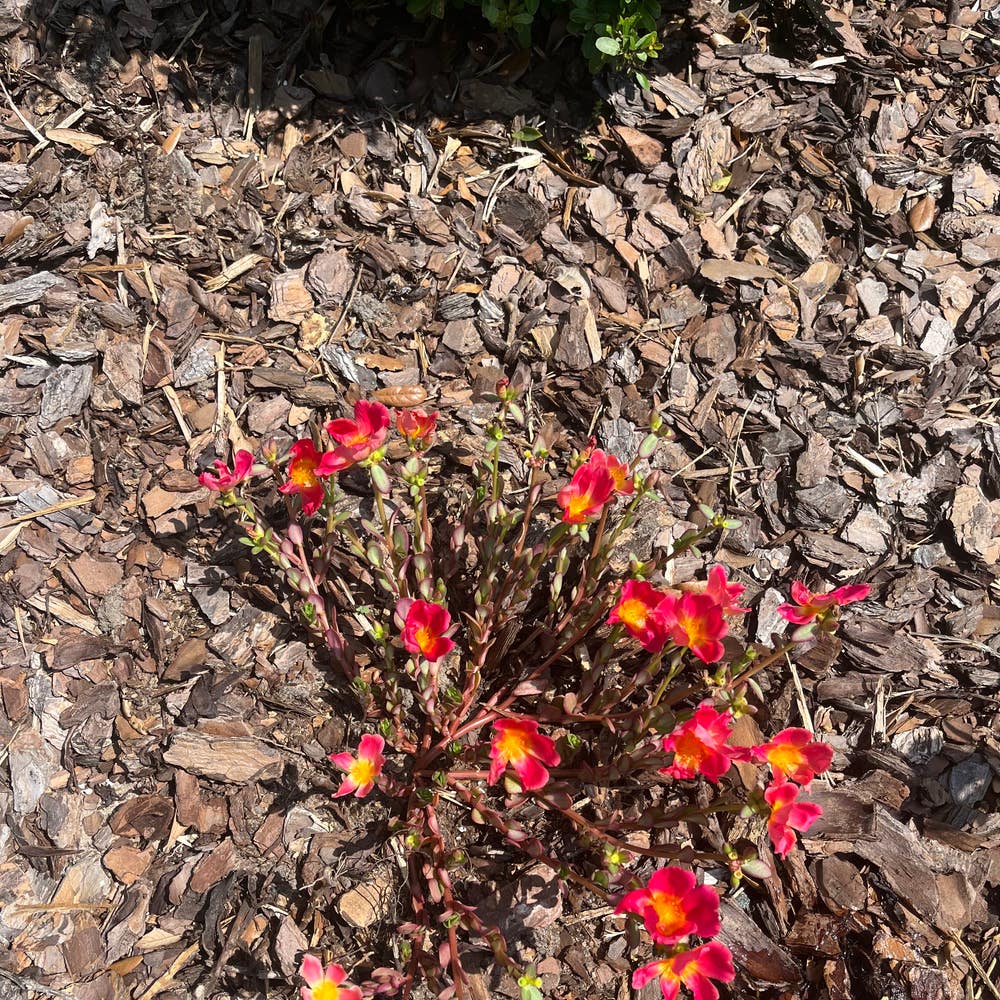
5 Tips for Healthy Wingpod Purslane Roots 🥔
Portulaca umbraticola
By the Greg Editorial Team
Sep 30, 2024•5 min read
This article was created with the help of AI so we can cover more plants for you. May contain errors. See one? Report it here.
Nurture your Wingpod Purslane's roots for vibrant growth and resilience! 🌱
- 🌱 Healthy Wingpod Purslane roots enhance resilience and nutrient uptake for optimal growth.
- 💧 Moderate watering and well-draining soil prevent root rot and promote root health.
- 🌿 Repot every 1-2 years to avoid rootbound issues and support healthy development.
Root System Characteristics
Fibrous System 🌱
The root system of Wingpod Purslane is primarily fibrous, characterized by a network of thin, branching roots that spread out from the base. This structure is not just for show; it plays a crucial role in the plant's overall health and resilience.
Efficient Nutrient Uptake 💧
One of the standout features of a fibrous root system is its extensive surface area. This allows for efficient nutrient uptake, ensuring the plant gets the essential elements it needs to thrive.
Secure Anchoring ⚓️
These roots also anchor the plant securely in the soil. This stability is vital, especially in windy conditions or when the plant is under stress.
Adaptability to Soil Conditions 🌍
Moreover, the fibrous system is adaptable to various soil conditions. This adaptability enhances drought resistance, allowing Wingpod Purslane to survive even when water is scarce.
Understanding these characteristics can help you appreciate how vital the root system is to the plant's overall health. With a strong foundation, Wingpod Purslane can flourish, making it a resilient choice for your garden.
Next, let’s explore the root depth and growth patterns that further define this remarkable plant.
Root Depth and Growth Patterns
Depth and Spread 🌱
The root system of Wingpod Purslane typically reaches an average depth of 12-18 inches (30-45 cm), depending on the soil conditions. These roots can spread horizontally up to 24 inches (60 cm), allowing the plant to access nutrients and moisture efficiently.
Growth Patterns 📈
During the early stages of growth, Wingpod Purslane exhibits rapid root development, establishing a robust foundation. Seasonal variations can influence this growth, with environmental factors playing a significant role in how well the roots thrive.
Understanding these aspects of root depth and growth patterns is crucial for ensuring your Wingpod Purslane remains healthy and resilient. As we move forward, let’s explore how to effectively water and fertilize these plants for optimal growth.
Watering and Fertilizing
Watering Needs 🌊
Wingpod Purslane roots thrive with moderate watering frequency. They can access moisture deep in the soil, so it's crucial to maintain consistent moisture without causing waterlogging.
Fertilization Techniques 🌱
For optimal growth, use balanced NPK fertilizers. Apply these every 4-6 weeks during the growing season, incorporating them into the soil around the root zone for best results.
Key Takeaways 📋
- Watering: Moderate frequency, avoid waterlogging.
- Fertilization: Balanced NPK every 4-6 weeks.
By following these simple watering and fertilizing tips, you can ensure your Wingpod Purslane roots remain healthy and robust. Next, let’s explore common root issues and how to identify and prevent them.
Common Root Issues
Identifying Problems 🌱
Root health is crucial for the overall vitality of Wingpod Purslane. Watch for symptoms of root rot, such as wilting, yellowing leaves, and a foul odor emanating from the soil.
Fungal infections can also compromise root health, leading to further complications. Early detection is key to preventing these issues from escalating.
Prevention Tips 🛡️
To keep your roots healthy, ensure you have well-draining soil. This prevents waterlogging, which is a primary cause of root rot.
Regularly inspect the roots during transplanting to catch any problems early. Using sterilized tools can minimize the risk of disease transmission, keeping your plants thriving.
By staying vigilant and proactive, you can maintain robust root systems that support healthy growth. This foundation will set the stage for the next section on recognizing and managing rootbound plants.
Healthy vs. Unhealthy Roots
👀 Visual Cues for Health
Healthy roots are a sight to behold. They should be firm, with a white or light tan color, showcasing a strong structure that supports the plant's growth.
When roots fill the pot without tangling, it’s a sign of vigor. This indicates that the plant is thriving and has established a robust root system.
🚨 Indicators of Unhealthy Roots
On the flip side, unhealthy roots present a stark contrast. Look for dark, mushy textures and foul smells, which are clear indicators of root distress.
Signs of distress often manifest as yellowing leaves and overall decline in plant health. If you notice these symptoms, it’s time to take action to restore your plant's vitality.
Understanding these visual cues can empower you to maintain healthy Wingpod Purslane roots. By recognizing the signs early, you can ensure your plants remain vibrant and resilient.
Next, let’s explore how to recognize and manage rootbound plants effectively.
Recognizing and Managing Rootbound Plants
Definition and Signs 🌱
Rootbound plants occur when roots grow in a confined space, often circling around the pot. You can spot this condition if you see roots emerging from drainage holes or notice stunted growth.
Solutions 🛠️
Transplanting: Move the plant to a larger pot filled with fresh soil. This gives the roots room to expand and thrive.
Pruning: Trim excessively long roots to encourage new growth. This can rejuvenate the plant and improve its overall health.
Repotting Frequency: Aim to repot every 1-2 years. This prevents rootbound conditions and keeps your plant happy.
By recognizing and addressing rootbound issues, you can ensure your Wingpod Purslane continues to flourish. Next, let’s explore the importance of healthy roots in propagation and division.
Propagation and Division
Importance of Root Health 🌱
Healthy roots are the backbone of successful propagation and division. Without strong roots, your efforts may not yield the desired results.
Techniques 🌿
1. Timing ⏰
The best time to propagate is in early spring or fall. This timing allows the plant to establish itself before the stress of extreme temperatures.
2. Method ✂️
Carefully separate clumps of roots, ensuring each division has healthy roots. This attention to detail is crucial for the success of each new plant.
3. Aftercare 💧
Once you've divided the roots, water them thoroughly. Providing appropriate light conditions will help them thrive in their new environment.
By following these techniques, you can ensure that your Wingpod Purslane not only survives but flourishes. Healthy roots lead to vibrant plants, ready to take on the world.
Next, let’s explore how to recognize and manage rootbound plants effectively.
⚠️ Safety First
This content is for general information and may contain errors, omissions, or outdated details. It is not medical, veterinary advice, or an endorsement of therapeutic claims.
Always consult a qualified healthcare professional before using any plant as food, medicine, or supplement.
Never eat any plant (or feed one to pets) without confirming its identity with at least two trusted sources.
If you suspect poisoning, call Poison Control (800) 222-1222, the Pet Poison Helpline (800) 213-6680, or your local emergency service immediately.
Spotted an error? Please report it here.
Cultivate strong roots for your Wingpod Purslane 🌿 by using Greg's tailored care reminders to keep your plant thriving and resilient against stress!