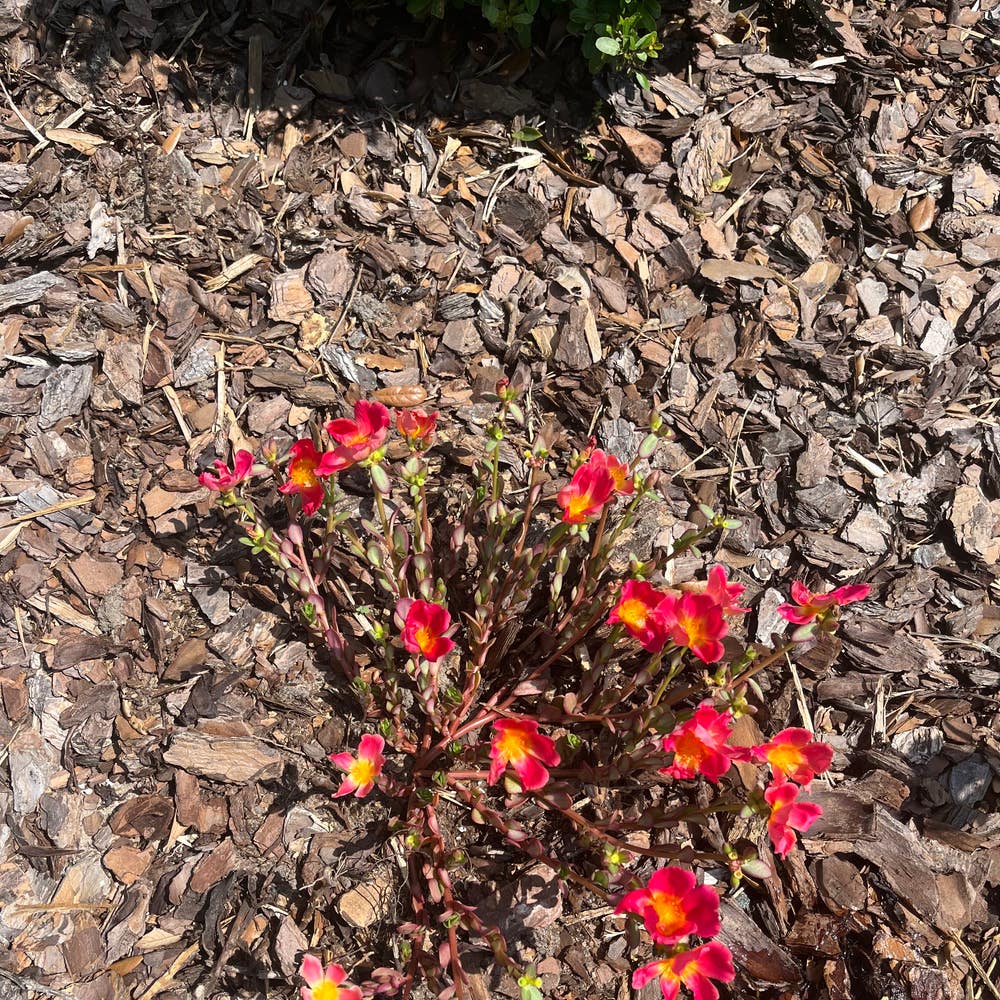
💧 How Do I Know When My Wingpod Purslane Needs Water?
Portulaca umbraticola
By the Greg Editorial Team
Jun 17, 2024•7 min read
This article was created with the help of AI so we can cover more plants for you. May contain errors. See one? Report it here.
Master your wingpod purslane's hydration needs with ease—no more guesswork or wilted leaves! 🌿💧
- Finger test and visual soil checks determine when to water.
- 🍂 Wilting and discoloration signal dehydration; water your purslane.
- Adjust watering with temperature, humidity, and light changes.
Recognizing Dry Soil in Wingpod Purslane
Dive into the dirt to gauge your Wingpod Purslane's thirst. The finger test is your go-to move: shove a digit into the soil up to the first knuckle. If it feels like a desert, it's time to water.
🕵️ Visual Soil Inspection
Look for clues on the surface. Dry, cracked soil is a dead giveaway that your plant's living the dry life. If the earth looks like it's begging for a drink, it probably is.
👆 The Finger Test
Trust your touch. If the soil sticks to your finger like unwanted gum, hold off on watering. But if it's as dry as a stand-up comedian's wit, grab the watering can.
📏 Moisture Meters and Weighing Pots
Not into getting your hands dirty? Moisture meters don't lie. Or, lift the pot; a lightweight feel means your plant's living on a prayer for water.
Remember, your Wingpod Purslane isn't a cactus. It's a delicate balance, but you've got this. Keep the soil moist but not soggy, like a perfectly wrung-out sponge.

Observing Plant Signals for Watering Needs
🥤 Identifying Dehydration
Wilting leaves are your wingpod purslane's white flag of surrender to dehydration. When the plant's leaves droop, it's not just being dramatic—it needs a drink. Discoloration is another red alert; if your plant's leaves are turning as brown as a well-done steak, it's time to water.
📜 The Telltale Signs
Look out for leaves that resemble crumpled paper; they're a surefire sign your plant is thirstier than a marathon runner. If the stems are as droopy as a Monday morning mood, your wingpod purslane is calling out for hydration.
🚨 Beyond the Obvious
Don't wait for your plant to look as sad as a forgotten birthday—subtle cues like a slight change in leaf color or reduced growth can be early distress signals. Stay vigilant and respond to these whispers before they become cries for help.
🕵️ Quick Checks
Yellowing leaves can be deceptive; they might scream overwatering but sometimes they're just parched. Before you write a eulogy for your plant, stick a finger in the soil. If it's as dry as a comedian's wit, it's time to water.
🛡️ Proactive Measures
Stay ahead of the game. Regularly feeling the soil for moisture can prevent your wingpod purslane from becoming as dry as a desert. Keep an eye on the soil's surface—if it's pulling away from the pot like a bad breakup, your plant is definitely in need of some TLC.

Utilizing Tools for Accurate Watering
In the quest for perfect hydration, your wingpod purslane can't speak up when it's thirsty. That's where moisture meters and weighing come into play.
💧 Moisture Meters: Your Plant's Thirst Indicator
Moisture meters are like the fuel gauges for your plants. They measure soil moisture levels, taking the guesswork out of watering. Just stick the probe into the soil and get an instant readout. It's a straightforward method that tells you whether to grab the watering can or give your plant a break.
⚖️ Weighing Pots: The Underrated Technique
Ever considered weighing your pots? It's a simple yet effective way to gauge water needs. A heavier pot indicates enough moisture, while a lighter one screams for a drink. This method is especially handy if you're dealing with a pot that's too big to lift or if you're just not into poking around in the dirt.
🌱 Adjusting to Your Pot's Personality
Remember, the type of pot matters. Terracotta breathes easy, letting soil dry quicker, while plastic holds in moisture like a raincoat. Size is crucial too—too big, and your plant's roots might as well be in a swimming pool; too small, and they're cramped.
📱 Tech Meets Greenery
For those who love a bit of tech in their gardening, consider digital scales or even garden weather stations that offer real-time data. These gadgets can help you maintain the Goldilocks zone of moisture—not too wet, not too dry.
🎯 Pro Tips for Precision
- Use room-temperature water to avoid shocking those delicate roots.
- Set reminders to check the soil before watering if you tend to overdo it.
- Consider a self-watering pot to keep moisture levels consistent.
Regular monitoring with these tools will help you avoid the melodrama of overwatering or underwatering. Keep an eye on your wingpod purslane like it's the last slice of pizza at a party—coveted and quickly gone if not watched closely.

Combating Environmental Factors Affecting Watering
In the dynamic world of wingpod purslane care, temperature, humidity, and light are the holy trinity influencing your watering routine.
🌡️ Adjusting for Temperature
When the mercury rises, your wingpod purslane's thirst follows suit. More water is the mantra during those scorching days. As the temperature cools, dial back on the H2O to avoid drenching your plant's roots in unwanted moisture.
💦 Humidity's Role
High humidity equals less frequent watering—your plant's soaking up the air's moisture like a sponge. In a dry, arid room, however, expect to water more often to compensate for the lack of atmospheric drinks.
🌞 Light: The Thirst Driver
Sunlight is to plants what coffee is to humans—it gets things going. More light means more water, as your purslane photosynthesizes with gusto. A shady spot, however, calls for a more relaxed watering pace.
🍂 Seasonal Shifts
Summer's heat demands a steady supply of water, while winter's chill means your watering can gets a break. Keep an eye on the calendar and adjust your approach as the seasons change.
🛠 Pro Tips for Precision
- Use room-temperature water to avoid shocking the delicate roots.
- A self-watering pot can be a lifesaver for those who tend to underwater.
- Mulch is your friend; it keeps soil moisture consistent and tempers soil temperature swings.
- Pot material matters: terracotta for breathability, plastic for moisture retention.
- Size does matter: choose a pot that fits your plant's size to avoid waterlogging or drought.
Remember, wingpod purslane care is not a set-it-and-forget-it game. Stay vigilant, adapt to your plant's environment, and you'll master the art of watering.
Preventing Overwatering and Underwatering
Balancing soil moisture is key to avoiding the twin nightmares of root rot and drought stress in your wingpod purslane.
💦 The Perils of Excess
Overwatering is like throwing a pool party for your plant's roots, and nobody wants to be underwater for that long. Root rot sets in when roots can't breathe, leading to a plant's untimely demise. To prevent this soggy situation, ensure your soil is the life of the party—moist but not drenched.
🏜️ Dry Spells and How to Dodge Them
Underwatering, on the other hand, turns your plant into a desert wanderer, longing for an oasis. Wilting leaves and stunted growth are cries for hydration. Keep the soil as consistent as a favorite playlist, moist to the touch, but not waterlogged.
🛠 Tools of the Trade
Consider using a moisture meter or weighing your pots to gauge the wetness without guesswork. It's like having a backstage pass to your plant's hydration status.
🌱 Soil Savvy
Your soil should be a VIP mix that retains just enough water to quench thirst while allowing excess to drain away like a crowd after a concert. If your soil is holding onto water like a bad grudge, mix in some perlite or coarse sand to loosen things up.
⏰ Timing is Everything
Don't water on a schedule as rigid as a metronome. Instead, let the soil's moisture level be your guide. If the top inch feels dry, it's time for a drink. If not, let the party wait.
💧 Self-Watering for the Forgetful
If you're the type to forget your own playlist, a self-watering pot might be your groove. It keeps the moisture steady, so you don't have to.
🌡️ Final Pro Tip
Always use room-temperature water. Cold water is a shock to the system, like jumping into a cold pool—it's no fun for anyone, especially not your plants.
⚠️ Safety First
This content is for general information and may contain errors, omissions, or outdated details. It is not medical, veterinary advice, or an endorsement of therapeutic claims.
Always consult a qualified healthcare professional before using any plant as food, medicine, or supplement.
Never eat any plant (or feed one to pets) without confirming its identity with at least two trusted sources.
If you suspect poisoning, call Poison Control (800) 222-1222, the Pet Poison Helpline (800) 213-6680, or your local emergency service immediately.
Spotted an error? Please report it here.
Keep your Wingpod Purslane perfectly hydrated 💧 with Greg's tailored watering plan that adapts to your home's environment, ensuring you respond to every thirst cue with precision.