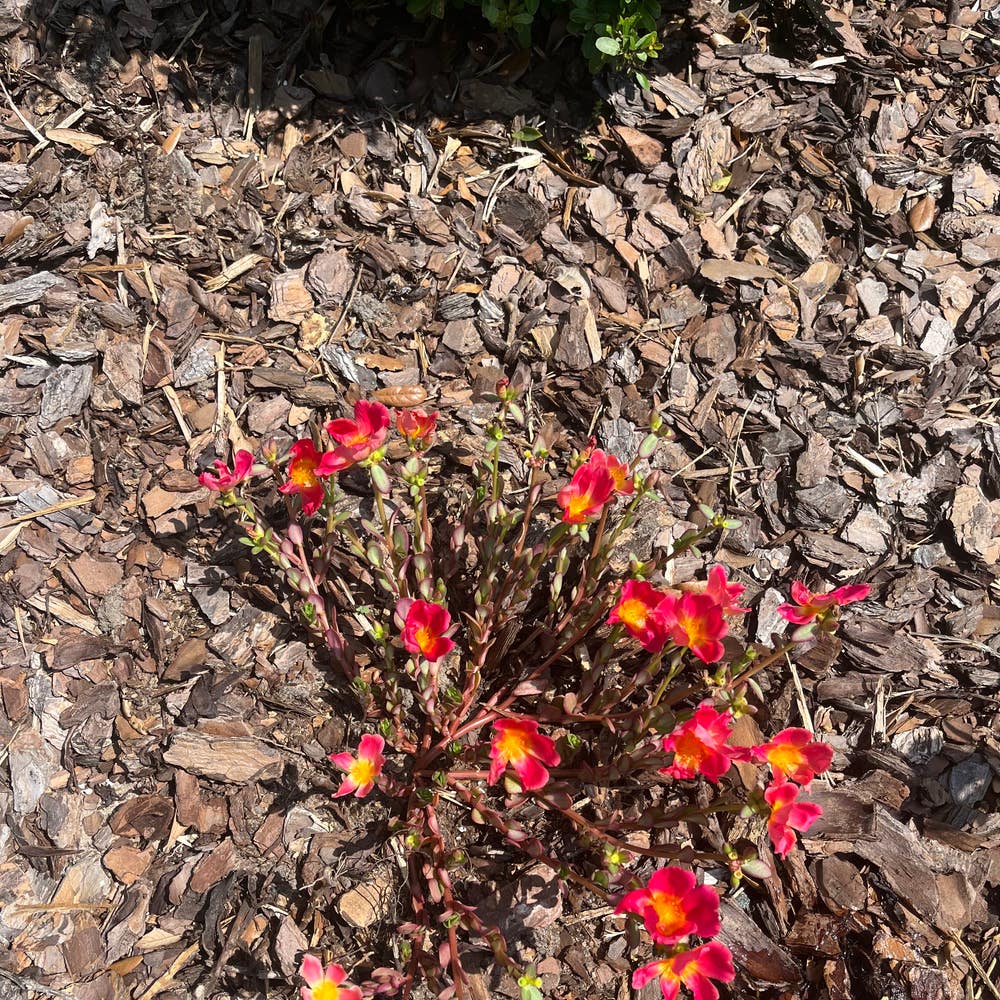
Why Are There Black Spots on My Wingpod Purslane Leaves?
Portulaca umbraticola
By the Greg Editorial Team
Jun 17, 2024•7 min read
This article was created with the help of AI so we can cover more plants for you. May contain errors. See one? Report it here.
Stop black spots in their tracks 🛑 and keep your Wingpod Purslane thriving with these expert tips! 🌿
- Black spots signal health issues, leading to leaf drop and less photosynthesis.
- Caused by infections, environment, watering, and sunburn; prevent with proper care.
- Treat early with natural remedies, advanced cases need fungicides or bactericides.
Identifying Black Spots on Wingpod Purslane
The black spots on Wingpod Purslane leaves are more than an eyesore; they're a red flag for your plant's health. These spots often start as small, dark blemishes that can expand, leading to leaf drop and a compromised ability to photosynthesize.
🕵️ Recognizing the Symptoms
Circular to irregular spots on the leaves are the hallmark of an issue. They may appear reddish-brown or almost black, sometimes surrounded by a faint yellow halo.
🛠 Assessing the Damage
Affected leaves may exhibit a wilted appearance, and their color can be paler than the healthy green of unaffected areas. As the condition worsens, leaves can become brittle, and the plant's overall vigor is reduced.
🌪 Understanding the Impact
These spots do more than mar the appearance of your plant; they can decrease photosynthetic efficiency, leading to stunted growth and reduced vitality. If left unchecked, the plant's ability to thrive is severely compromised.
🚨 Spotting the Early Signs
Keep an eye out for the initial stages of black spot development. Early detection is crucial for effective treatment and can prevent the spread to other parts of the plant.
📋 Quick Identification Checklist
- Look for dark, circular spots on leaves.
- Check for a yellow halo around spots.
- Notice any wilting or color changes in the foliage.
- Be alert to new spot formation or growth in size.
By staying vigilant and catching black spots early, you can take swift action to protect your Wingpod Purslane and keep it flourishing.

Common Causes of Black Spots
🦠 Fungal and Bacterial Infections
Leaf Spot Disease, a notorious party crasher, is often behind those unsightly black spots. These spots, with their potential red or yellow halos, scream fungal or bacterial infection. High humidity and poor air circulation are like a VIP pass for these pathogens, especially when paired with overwatering or inadequate drainage. Fungi and bacteria spread their joy through direct contact or a celebratory splash of water droplets, making your plant's leaves their dance floor.
🌿 Environmental Factors
Sometimes, the environment throws a curveball. Cold drafts or excessive light can cause black spots as much as a bad watering schedule. If your plant's leaves look like they've had a rough night out, consider if they've been sunburned or chilled to the bone. And remember, variegated leaves are the sensitive types at the party; they bruise easily and show it with spots.
🤔 The Contradictory Nature of Symptoms
It's a real head-scratcher. Dry conditions can lead to brownish, scorched spots, while too much TLC with the watering can lead to dark, soggy ones. It's like your plant is telling you it's both thirsty and drowning at the same time. Observe the spots' shape, color, and location—they're clues to what's bugging your plant.
🌱 The Root of the Problem
Don't forget to check under the hood—or in this case, the soil. Root rot can be a silent killer, and it loves to party in soggy conditions. If the roots look like they've seen better days, it's time to rethink your watering game.
☀️ Sunburn and Scorching
Lastly, let's talk about sunburn. Yes, plants get it too, and it's not pretty. If your Wingpod Purslane is looking like it forgot its sunscreen, ease up on the sunbathing. Gradual acclimation to light is key; think of it as building up a base tan before hitting the beach.

Integrated Prevention Strategies
💧 Proper Watering and Soil Management
Water wisely. Overwatering is a surefire way to invite black spots to your Wingpod Purslane's party. Let the topsoil dry before watering again, and consider using drip irrigation or soaker hoses to keep those leaves dry.
Choose the right soil. A well-draining, sterile potting mix is like a tailored suit—it fits your plant's needs perfectly, preventing waterlogging and root rot. Remember, regular garden soil is a no-go.
💨 Air Circulation and Humidity Control
Keep it breezy. Good air circulation is crucial. Think of it as your plant's personal space—no one likes to feel crowded. Use fans if indoors, or space out your plants to avoid a fungal mosh pit.
Humidity: not too high, not too low. Use a hygrometer to monitor levels. If you're in a damp environment, a dehumidifier can be a game-changer. Conversely, if the air is too dry, a pebble tray or humidifier can help.
🌞 Environmental Factors
Sunlight is your ally. Wingpod Purslane thrives in bright light. It's like a natural disinfectant, zapping those black spot-causing pathogens.
Keep it clean. Always use clean pots and tools. It's like good hygiene for your plants—prevent the spread of disease by not giving it a chance to start.

Effective Treatment Methods
🌿 Natural Remedies for Early-Stage Treatment
Neem oil and a baking soda mixture are your go-to guys for early-stage black spot treatment. They're like the neighborhood watch for your plants, keeping fungal felons at bay. Mix one teaspoon of baking soda with a quart of water and a few drops of liquid soap for the mixture. As for neem oil, follow the product's instructions—this stuff is gold.
✂️ Pruning: The First Line of Defense
Grab those sterilized shears and cut away the infected leaves. Think of it as surgery for your plant; you're removing the bad to save the good. Dispose of these leaves like they're radioactive—do not compost.
🦠 Fungicides and Bactericides for the Tough Cases
When the going gets tough, the tough get going with fungicides and bactericides. Timing is crucial; apply these bad boys at the first sign of an advanced infection. Always read the label—those instructions are not just for decoration. And cover all exposed areas; you're sealing the deal against disease.
🧪 Know Your Chemicals
If you're diving into the chemical warfare, know your weapons. Sulfur compounds and products containing clotrimazole or terbinafine can be effective. But remember, it's not a free-for-all; more is not always better. Stick to the recommended dosage to avoid turning your garden into a toxic wasteland.
🚫 When to Call It a Day
Sometimes, despite your best efforts, you've got to know when to fold 'em. If the plant is more black spot than plant, it might be time to cut it down and start fresh. It's tough love, but sometimes that's what it takes to save the rest of your garden from a fungal apocalypse.
Pruning and Plant Hygiene
Pruning is crucial for the health of your Wingpod Purslane. It's like a haircut for your plant—trimming off the dead ends to encourage new growth. But it's not just about aesthetics; it's about survival.
✂️ Step-by-Step Pruning
First, spot the offenders—those leaves with black spots—and get your tools ready. Disinfect your shears with rubbing alcohol. This isn't just a "nice to have" step; it's like washing your hands to prevent the flu. Snip off the affected areas, but don't get snip-happy. Limit the cutback to no more than 20% of the plant to avoid sending it into shock.
Keeping It Clean
After pruning, don't leave the fallen soldiers to rot. Remove all debris to prevent pests from throwing a party. It's like not letting dirty dishes pile up in the sink—a clean space is a happy space. And while you're at it, give the leaves a gentle wipe. Dust is the enemy of photosynthesis.
🐜 Pest Control
Pests love a plant in distress, so keep an eye out for uninvited guests. If you spot them, show them the door with natural pesticides or, if you're feeling brave, your own two hands. Remember, a healthy plant is like a fortress—tough for pests to penetrate.
Preventing Future Outbreaks
Finally, don't just treat the symptoms—get to the root of the problem. Avoid overwatering and ensure your pots and soil are clean and sterile. Think of it as setting up a good defense before the pests even think about attacking. And if you bring new plants home, inspect them like a hawk to prevent an accidental Trojan horse situation.
⚠️ Safety First
This content is for general information and may contain errors, omissions, or outdated details. It is not medical, veterinary advice, or an endorsement of therapeutic claims.
Always consult a qualified healthcare professional before using any plant as food, medicine, or supplement.
Never eat any plant (or feed one to pets) without confirming its identity with at least two trusted sources.
If you suspect poisoning, call Poison Control (800) 222-1222, the Pet Poison Helpline (800) 213-6680, or your local emergency service immediately.
Spotted an error? Please report it here.
Prevent and treat those pesky black spots 🍂 on your Wingpod Purslane with Greg's custom care reminders and expert community advice!