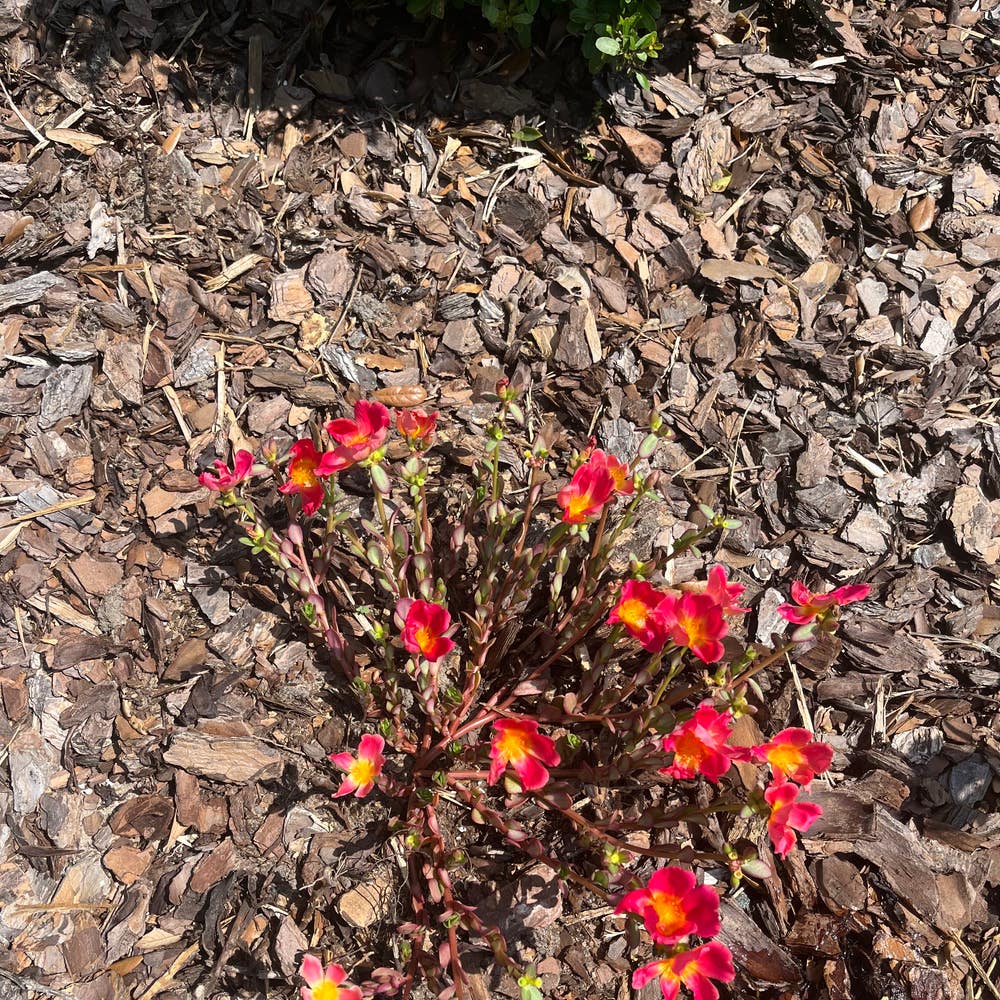
Why Are My Wingpod Purslane Leaves Falling Over?
Portulaca umbraticola
By the Greg Editorial Team
Jun 17, 2024•7 min read
This article was created with the help of AI so we can cover more plants for you. May contain errors. See one? Report it here.
Stop your Wingpod Purslane from wilting 🍂 with proven strategies to keep leaves perky and healthy!
- Over/underwatering and light issues cause Wingpod Purslane leaf droop.
- Well-draining soil and balanced watering are essential for plant health.
- Consistent care and inspections prevent droop and maintain stability.
Diagnosing Wingpod Purslane Leaf Droop
🚰 Overwatering Symptoms
Identifying signs of overwatering and underwatering is crucial for the health of Wingpod Purslane.
🏜️ Underwatering Indicators
Overwatering can lead to root rot and leaf browning. Check for:
- Soggy soil
- Brown, mushy roots
- Leaves that are yellowing or browning
🌞 Light and Temperature Stress
Underwatering, while less common, can cause:
- Wilting leaves
- Dry, brittle soil
- Limp stems
🌞 Light and Temperature Stress
Inadequate light and improper temperatures can also cause leaves to droop. Look for:
- Leggy growth
- Pale leaves (light issue)
- Stunted growth (temperature issue)
Pro tip: Wingpod Purslane thrives in well-lit environments and moderate temperatures. If your plant looks like it's reaching for the sun or shivering in the cold, it's time to reassess its spot in your home.

Addressing Watering Issues
💧 Adjusting Watering Practices
Watering your Wingpod Purslane is less about sticking to a strict schedule and more about understanding its needs. Check the soil—if it's dry an inch down, it's time to water. Remember, your plant isn't chugging water; it's sipping it. So, water thoroughly but allow the topsoil to dry out before the next round. This isn't just a good practice; it's a survival tactic for your green buddy.
🌱 The Role of Well-Draining Soil
Well-draining soil isn't just a preference; it's a necessity. Think of it as the foundation of a house—without it, everything collapses. Ensure your pot has drainage holes to prevent your plant's roots from drowning. If you're playing lifeguard to your plant's roots, you're doing it wrong. Soil should be the life jacket, not you. If your soil holds water like a sponge, it's time for a mix that's more like a strainer—airy and loose, allowing water to pass through while providing enough support for roots to thrive.

Managing Light and Temperature for Wingpod Purslane
Wingpod Purslane, like a sunbather, craves light but doesn't want to get burned. Bright, indirect sunlight for 6-8 hours a day keeps it from stretching out like it's reaching for the last cookie. Rotate the pot regularly to give each side its time in the limelight, preventing a lopsided growth spurt.
🌞 Light Exposure
Direct sunlight? Not too much. Think of it like a strong espresso – a little is great, a lot will make your plant's leaves throw in the towel. If your Purslane starts to look more like a sun-fried tourist than a vibrant green buddy, dial back the rays. Artificial lighting can be a game-changer during those gloomy months when the sun is on a sabbatical.
🌡️ Temperature Control
Temperature swings are the drama queens of the plant world, causing your Purslane to wilt faster than a forgotten salad. Aim for a steady 65-75°F (20-25°C) to keep it from throwing a temperature tantrum. Sudden changes? Shield your plant like it's a celebrity dodging the paparazzi. And remember, no plant likes a draft, unless it's a draft of a well-written novel.
Pro Tips
- Avoid overheating; your Purslane isn't trying to get a tan.
- Even growth is achieved by rotating the plant, not by playing musical chairs with its spot.
- Artificial lighting can supplement winter blues, just don't overdo it—nobody likes a light hangover.
- Prune to maintain shape and encourage bushy growth, like giving your plant a good haircut.

Nutrient Deficiency and Wingpod Purslane Leaf Health
💡 Recognizing the Signs
Yellowing leaves may indicate a nitrogen shortage, while purpling could scream phosphorus deficiency. Potassium-deprived plants often show browning at the edges. It's like a plant's version of sending out an SOS.
🍽️ The Fix: Balanced Fertilization
A light sprinkle of a balanced, all-purpose fertilizer can be the equivalent of a plant pep talk. Follow the label—it's there for a reason. Over-enthusiasm with fertilizer can lead to nutrient burn, a plant's worst hangover.
🌱 The Role of Micronutrients
Don't overlook the little guys—micronutrients. Mottled leaves or necrosis? Might be a lack of molybdenum or magnesium. Think of these as the plant's multivitamins; small but mighty.
🏞️ Soil pH: The Gatekeeper
If the pH is off, nutrients play hard to get. Use a pH meter to ensure the soil is in the optimal range for nutrient uptake. It's like setting the right mood for a dinner date—get it wrong, and the evening's a bust.
🌿 Long-Term Care
Slow-release fertilizers are the crockpots of plant care—set it and forget it. They gently nourish over time, preventing the feast-or-famine cycle that can stress your Wingpod Purslane.
👩🌾 Monitoring and Adjusting
Stay vigilant. Wingpod Purslane's leaves and stems will tell tales of comfort or distress. Adjust your care routine accordingly, and you'll keep those leaves standing tall and proud.
Combating Pests and Diseases Affecting Leaf Stability
🐛 Identifying Common Pests
Spider mites and aphids are the usual culprits when it comes to pests attacking Wingpod Purslane. These tiny invaders suck the sap from leaves, causing them to droop and eventually fall over. Sticky residue or discolored leaves are tell-tale signs of their presence.
🛡️ Tackling Pests Head-On
To combat these pests, go on the offensive with neem oil or insecticidal soap. It's like arming your plants with a personal shield. Remember to cover every leaf, especially the undersides, where pests love to hide out.
🦠 Diseases to Watch For
Fungal diseases, such as powdery mildew, can also cause leaves to droop. Overwatering creates a playground for these pathogens, so keep the soil on the drier side to avoid such issues.
🩺 Effective Disease Management
If you spot signs of disease, don't hesitate to play plant surgeon—remove affected areas promptly. For fungal foes, consider fungicides, but always check for eco-friendly options that won't harm your plant or the environment.
🕵️ Proactive Pest and Disease Checks
Regular inspections are non-negotiable. They're like a health check-up for your plants. Catching pests or diseases early can mean the difference between a quick fix and a plant apocalypse.
🌱 The Role of Plant Care in Disease Prevention
Good plant care is your best defense. Ensure your Wingpod Purslane has the right balance of light, water, and nutrients to bolster its resilience against pests and diseases. It's about creating a hostile environment for pests and a utopia for your plants.
Integrated Care and Prevention Strategies
In the realm of Wingpod Purslane care, prevention is the MVP. Here's how to keep those leaves standing tall.
🌱 Consolidating Care Practices
Consistency is the secret sauce for thriving Purslane. Like a well-oiled machine, stick to a care routine that's as regular as clockwork.
💧 Water Wisely
Overwatering and underwatering are the Bonnie and Clyde of plant care issues. Dial in on the Goldilocks zone for watering—not too much, not too little.
🌱 Soil Matters
Ensure your soil is as well-draining as a colander. This isn't just good advice; it's plant-saving gospel.
🕰️ Periodic Checks and Balances
👀 Vigilant Inspections
Keep a hawk-eye on your Purslane. Pests and diseases are sneaky little critters, but regular check-ups can catch them red-handed.
🥦 Nutrient Know-How
Feed your plant like a nutritionist. A balanced diet of nutrients will keep it from getting hangry and dropping leaves in protest.
✂️ Pruning with Purpose
Snip away like a topiary artist. Removing dead or damaged leaves encourages the plant to focus its energy on the good stuff.
🌞 Environmental Optimization
Play Goldilocks again with light and temperature. Too much or too little of either can send your Purslane into a dramatic swoon.
⚖️ Support Systems
Sometimes, a plant just needs a shoulder to lean on. Staking can prevent your Purslane from becoming too top-heavy and taking a tumble.
Remember, the best offense is a good defense. Integrated care is about being proactive, not reactive. Keep these strategies in your plant care toolkit, and your Wingpod Purslane will stand tall and proud, come what may.
⚠️ Safety First
This content is for general information and may contain errors, omissions, or outdated details. It is not medical, veterinary advice, or an endorsement of therapeutic claims.
Always consult a qualified healthcare professional before using any plant as food, medicine, or supplement.
Never eat any plant (or feed one to pets) without confirming its identity with at least two trusted sources.
If you suspect poisoning, call Poison Control (800) 222-1222, the Pet Poison Helpline (800) 213-6680, or your local emergency service immediately.
Spotted an error? Please report it here.
Prevent your Wingpod Purslane leaves from falling over by ensuring optimal care ⏲ with Greg's personalized reminders for watering, light conditions, and pest control!