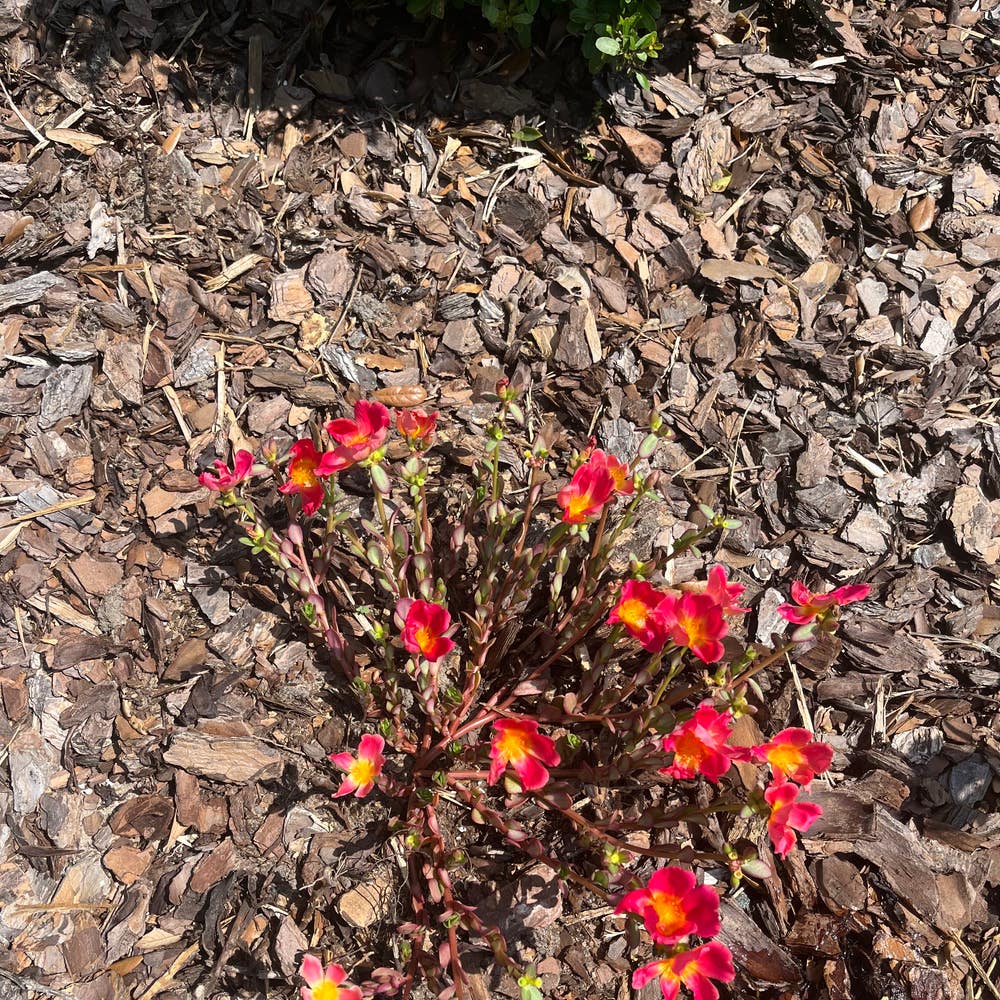
What To Do About Bugs on My Wingpod Purslane? 🐛
Portulaca umbraticola
By the Greg Editorial Team
Jun 17, 2024•9 min read
This article was created with the help of AI so we can cover more plants for you. May contain errors. See one? Report it here.
Protect your Wingpod Purslane from pesky invaders 🐛 with our ultimate pest management guide! 🌿
- Spot spider mites by webbing and treat with showering or alcohol.
- Scale insects? Use pesticides early or introduce beneficial insects.
- Integrated management combines prevention, environmental control, and biological warfare.
Identifying and Treating Spider Mites on Wingpod Purslane
👀 Spotting the Critters
Webbing is your first red flag. These tiny arachnids love the underside of leaves and branch joints. Yellow or white speckles on leaves? That's them sucking the life out of your plant. Leaves might curl, brown, and look thirsty, but don't be fooled—it's not a water issue.
🚿 Immediate Actions
Got spider mites? Don’t panic. Start with a gentle shower for your plant. Focus on the undersides of leaves to wash off mites and their pesky webs. A cotton swab dipped in 70% rubbing alcohol can be a mite massacre if you've got the patience for a hands-on approach.
⚔️ Long-Term Warfare
Insecticidal soap is your friend here. It's like sending in the troops without harming your green buddy. For a more eco-friendly approach, introduce predators like ladybugs or lacewings—they're nature's hitmen for hire.
🛡️ Prevention is Key
Keep your Wingpod Purslane in top shape with good watering and fertilizing habits. Stress-free plants are less of a target. And remember, quality soil is like a good neighborhood watch—it keeps the riff-raff out.
🚨 When to Call the Pros
If you're outgunned, don't hesitate to reach for miticides. Products like Oberon Insecticide can be a game-changer. Follow the label, suit up for battle, and show those mites the door.

Combating Scale Insects on Wingpod Purslane
🐜 Signs of Scale Insects
Spotting scale insects on your Wingpod Purslane can be like finding unwanted squatters on your property. These pests are small, but they tend to hang out in groups, making them easier to spot. Look for clusters of tiny, shell-like bumps on the stems or leaves. If you see them, it's time to take action.
🛡️ Recommended Methods for Removing Scale Insects
Early intervention is your best bet. Catching these critters during their nymph stage, when they're crawling around like tiny vagabonds, is ideal. This is when they're most vulnerable to pesticides. Miss this window, and you'll have to deal with their adult, armor-clad forms that cling to your plant like a bad habit.
🚶 During the Crawler Stage
- Pesticides: Use them when the nymphs are active. Timing is everything.
- Physical Removal: Sometimes, it's just easier to prune the infested parts. Think of it as giving your plant a haircut to remove the lice.
👴 Adult Scale Insects
- Insecticidal Soap: This can help, but it's like trying to clean a stain that's already set.
- Horticultural Oil: It smothers them, cutting off their air supply. It's a bit like putting a pillow over the problem until it stops moving.
- Pruning: If the infestation is severe, sometimes you've just got to cut your losses—literally. Remove the infested parts to protect the rest of the plant.
- Beneficial Insects: Introduce predators like ladybugs that see scale insects as a buffet. It's nature's way of telling you, "I got this."
Remember, prevention is the key. Keep an eye on your Wingpod Purslane like it's a mischievous pet. Regular check-ups can save you a lot of trouble down the road.

Managing Fungus Gnats and Fruit Flies Around Wingpod Purslane
🐜 Identifying the Pests
Fungus gnats and fruit flies are the unwanted guests of the plant world, often crashing the party around your Wingpod Purslane. Fungus gnats resemble tiny, dark-colored flies, usually found dead or running rather than flying when you get too close. Fruit flies, the more agile of the two, will zip into the air at the slightest disturbance. Spot these pests? It's time to take action.
🦟 Solutions for Fungus Gnats
Overwatering is like sending out an open invitation to fungus gnats. Cut back on the H2O and let the soil dry out between waterings. Good airflow is your ally; it disrupts the gnats' cozy environment. Think of it as turning off the heating at your party – the unwanted guests won't stick around for long.
🍎 Solutions for Fruit Flies
For fruit flies, cleanliness is key. Remove any decaying matter and keep your Wingpod Purslane's area spick and span. A trap with apple cider vinegar covered by plastic wrap with holes can act as a DIY bouncer, keeping these pests in check.
🌿 Biological Controls
Carnivorous plants can be the bouncers of your plant party, naturally keeping the gnat population under control. They're not just a conversation starter; they're functional.
🕵️♂️ Cultural Practices
Minimize the risk of infestation by inspecting new plants before introducing them to your space. It's like checking IDs at the door – you want to make sure you're not letting in troublemakers.
☠️ Pesticides
When the situation calls for it, a targeted pesticide can be the equivalent of calling in the professionals. But remember, this is a last resort – like having to call the cops to break up a rowdy party. Use insecticidal soaps or neem oil for a less harsh approach, ensuring you follow the label instructions to the letter.
Remember, keeping your Wingpod Purslane free of pests is a bit like hosting a party – you want the right guests to stay and the wrong ones to leave. Stay vigilant and act quickly at the first sign of trouble.

Eradicating Mealybugs from Wingpod Purslane
🕵️ Detection of Mealybugs on Your Plant
Spotting mealybugs is like finding uninvited guests at a party—they're hard to miss once you know what you're looking for. Check for a waxy white residue on the stems and undersides of leaves, which is a dead giveaway. These pests are tiny, but they cluster together, creating cotton-like fluff spots that scream "evict me!"
🦸 Best Practices for Mealybug Removal and Control
💥 Immediate Action
When you find mealybugs, it's time to channel your inner action hero—swift and decisive. Grab a cotton swab dipped in rubbing alcohol and show those bugs the door. Swipe carefully to avoid harming the plant, and be thorough; these critters are clingy.
🐜 Biological Warfare
Unleash the natural predators. Sounds epic, right? Introduce ladybugs or lacewings to your garden; they're like the special forces in the bug world, taking down mealybugs with precision. It's nature's way of keeping things balanced, and it's chemical-free.
🧹 Clean Sweep
After the initial assault, don't let your guard down. Clean any tools or pots that came into contact with the infested plant. Mealybugs are like the worst kind of house guests—they leave a mess behind. So, a good cleaning spree is in order.
🛡️ Prevention Tactics
Keep a watchful eye on your Wingpod Purslane like it's the crown jewels. Inspect new plants for signs of infestation, and quarantine them if necessary. It's like a background check for plants—better safe than sorry. And remember, ants are mealybugs' partners in crime; they farm them for honeydew. So, keeping ants away is part of the job.
👀 Consistent Vigilance
Finally, make inspecting your plants a habit, like checking your phone first thing in the morning. Regular checks can catch an infestation before it becomes a full-blown crisis. And let's face it, nobody wants a crisis in their garden. Stay sharp, stay prepared, and your Wingpod Purslane will thank you.
Addressing Other Pests: Aphids, Whiteflies, and Thrips
🐞 Identifying Aphids on Wingpod Purslane
Aphids are party crashers in your garden, coming in a kaleidoscope of colors. Look for oblong shapes, wider at the base, with or without wings. They're notorious for their springtime surprise appearances and rapid multiplication. Spot them early, and you've got the upper hand.
👻 Whiteflies: The Ghostly Pests
Whiteflies are the phantoms of the pest world, fluttering up in a cloud of white when disturbed. These sap-suckers leave a sticky mess called honeydew. If you see a flurry of tiny white-winged insects, it's time to take action.
🏃♂️ Thrips: The Speedy Sap-Suckers
Thrips are like the flash mob of pests—tiny, quick, and fond of your plant's sap. They're slender, black or translucent-yellow, and love to throw a feast on your Wingpod Purslane. Catch them in the act with a keen eye.
Combat Strategies
Aphids
- Neem oil is your go-to for an aphid eviction notice. It's like sending a bouncer to clear out the riff-raff.
- Insecticidal soap can also show aphids the door, washing away your troubles with a few sprays.
Whiteflies
- Pyriproxyfen is the insecticide that whiteflies dread. Follow the label and give them the boot.
- Yellow sticky traps work wonders. Whiteflies can't resist them and end up stuck in a sticky situation.
Thrips
- Pyrethrin sprays are your organic option, derived from marigolds. It's like fighting fire with flowers.
- Beneficial bugs like pirate bugs and lacewings are the allies you need. They're the good guys that eat the bad guys.
Prevention Tips
- Inspect regularly. Catching pests early is like nipping a bad habit in the bud.
- Act fast. If you spot pests, don't wait around. Immediate action is key to keeping your Wingpod Purslane healthy.
Remember, pests are more than a nuisance—they're a threat to your plant's well-being. Stay vigilant, and your Wingpod Purslane will thank you.
Integrated Pest Management for Wingpod Purslane
In the quest to shield Wingpod Purslane from the onslaught of pests, Integrated Pest Management (IPM) is your strategic ally. This approach is not just about slapping on a chemical band-aid; it's a holistic battle plan.
🕵️♂️ Early Detection and Prevention
Scout regularly. Make it a ritual, like your morning coffee. Catching pests early can mean the difference between a simple wipe-down and a full-blown infestation apocalypse.
Know your enemy. Thrips? They're tiny speed demons with a thirst for sap. Scale insects? They're the clingy types, literally sticking to your plants. Learn their looks and habits.
🌬️ Environmental Control
Airflow is king. Good circulation can prevent a host of fungal and pest problems. Think of it as your plant's personal space – it needs room to breathe.
Moisture management. Overwatering is like sending out a VIP invite to fungus gnats. Let the soil dry out a bit between waterings. It's tough love, but your plants will thank you.
👩🌾 Cultural Practices
Weed out the weak. Remove any plants that look like they're on death's door. They're pest magnets.
Cleanliness is next to pestlessness. Keep your gardening tools sanitized and your plant area tidy. It's like hygiene for your plants.
🦗 Biological Warfare
Bring in the troops. Beneficial insects are nature's hitmen. Lacewings and pirate bugs aren't just cool names; they're your plant's best friends.
Nematodes are your undercover agents. These microscopic worms are the James Bonds of the soil, taking out gnats from the inside.
🚫 Chemical Controls: The Last Resort
Go organic when possible. Pyrethrin is your organic go-to, but remember, it's still a pesticide. Use it like you would any powerful tool: responsibly and according to the label.
👀 Consistent Vigilance
Stay alert. Pests are sneaky and relentless. Keep your eyes peeled and your IPM strategies at the ready. Your Wingpod Purslane's life depends on it.
⚠️ Safety First
This content is for general information and may contain errors, omissions, or outdated details. It is not medical, veterinary advice, or an endorsement of therapeutic claims.
Always consult a qualified healthcare professional before using any plant as food, medicine, or supplement.
Never eat any plant (or feed one to pets) without confirming its identity with at least two trusted sources.
If you suspect poisoning, call Poison Control (800) 222-1222, the Pet Poison Helpline (800) 213-6680, or your local emergency service immediately.
Spotted an error? Please report it here.
Banish bugs from your Wingpod Purslane with precision 🎯 as Greg alerts you to early signs of pests and guides your integrated pest management every step of the way!