🦋 Ultimate Guide to Wingpod Purslane Varieties
Portulaca umbraticola
By the Greg Editorial Team
Sep 30, 2024•6 min read
This article was created with the help of AI so we can cover more plants for you. May contain errors. See one? Report it here.
Elevate your garden with vibrant Wingpod Purslane cultivars that offer unique flavors and stunning colors! 🌼
- 🌱 Wingpod Purslane offers diverse cultivars with unique flavors and vibrant colors for gardens.
- 🌼 Growth habits vary; choose sprawling for ground cover or upright for containers.
- 🍽️ Edible varieties differ in taste and texture, enhancing culinary versatility in dishes.
Popular Cultivars
🌱 Description of Popular Cultivars
Wingpod Purslane offers a variety of cultivars that have captured the attention of gardeners and chefs alike. These top cultivars stand out due to their unique flavors, vibrant colors, and ease of growth.
🌼 Unique Characteristics of Each Cultivar
Each cultivar has its own distinct growth habit, leaf shape, and flower color. For instance, some cultivars feature broad, succulent leaves, while others have slender, delicate foliage.
- Growth Habit: Some are sprawling, perfect for ground cover, while others grow upright, making them ideal for containers.
- Leaf Shape: Leaf shapes can range from oval to elongated, adding diversity to your garden.
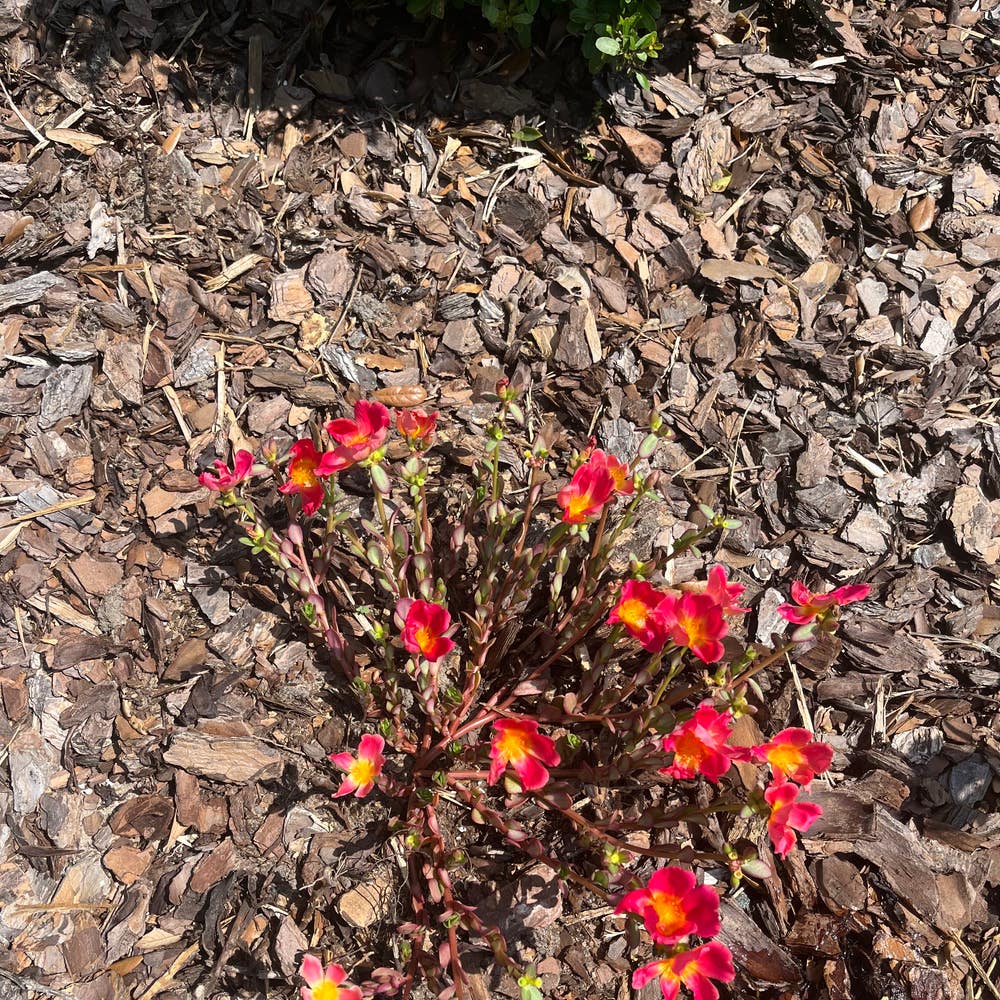
- Flower Color: Flowers can be bright yellow or soft pink, enhancing visual appeal.
When it comes to taste and texture, edible cultivars vary significantly. Some are crisp and refreshing, while others offer a more robust flavor, making them versatile for culinary uses.
🎨 Color Variations Among Cultivars
Color is a key factor in selecting Wingpod Purslane cultivars. You can find stunning greens, vibrant reds, and even variegated forms that add depth to your garden.
- Greens: These are classic and versatile, blending seamlessly with other plants.
- Reds: Bold and eye-catching, red cultivars can serve as focal points.
- Variegated Forms: These unique varieties bring a playful touch, making your garden visually dynamic.
The impact of color on garden design cannot be overstated. Thoughtfully chosen colors can create harmony or contrast, enhancing the overall aesthetic of your outdoor space.
As you explore the world of Wingpod Purslane, consider how these popular cultivars can elevate your garden. Next, we’ll dive into the fascinating realm of hybrid varieties and their unique traits.
Hybrid Varieties
🧬 Explanation of Hybrid Varieties
Hybrid varieties are the result of crossbreeding two different parent plants to create offspring with desirable traits. In the context of Wingpod Purslane, hybridization enhances characteristics like growth rate, disease resistance, and flavor.
The hybridization process involves selecting parent plants with specific traits and then pollinating them to produce seeds. This method allows breeders to combine the best features of both parent plants, leading to cultivars that thrive in various conditions.
🌱 Differences Between Hybrids and Species Plants
Hybrid plants often exhibit distinct differences from their species counterparts. They typically have improved growth habits, showing greater resilience to pests and diseases.
Additionally, hybrids can offer unique appearances, such as varied leaf shapes and colors. Growing hybrids can provide advantages like higher yields and better adaptability to changing environmental conditions.
🌟 Notable Hybrid Cultivars and Their Features
Several hybrid cultivars of Wingpod Purslane stand out for their unique characteristics. For instance, the 'Golden Glow' hybrid features vibrant yellow-green leaves that add a splash of color to any garden.
Another notable hybrid is the 'Crimson Delight,' known for its striking red foliage and robust flavor. These hybrids not only enhance visual appeal but also offer diverse culinary uses, making them a favorite among gardeners and chefs alike.
As you explore the world of Wingpod Purslane, consider how hybrid varieties can enrich your gardening experience. Next, we'll delve into rare varieties and their unique traits.
Rare Varieties
Characteristics That Make Them Unique 🌟
Rare Wingpod Purslane varieties are truly captivating. Their distinctive features often include unique growth habits, vibrant colors, and exceptional tastes that set them apart from more common cultivars.
These varieties can exhibit unusual leaf shapes and sizes, adding texture to your garden. Additionally, their flavors may range from mildly tangy to richly savory, making them a delightful addition to culinary creations.
Culturally, many rare cultivars have historical significance. They may be tied to specific regions or traditional practices, enriching the gardening experience with stories and heritage.
Availability and Cultivation Tips for Rare Varieties 🪴
Finding rare Wingpod Purslane varieties can be a treasure hunt. Specialty nurseries, online plant shops, and local gardening clubs are excellent places to start your search.
When it comes to cultivation, these varieties often require specific care. Ensure you provide well-draining soil and adequate sunlight to help them thrive. Regular watering is crucial, but avoid overwatering to prevent root rot.
For maintenance, keep an eye on pests and diseases, as rare varieties can be more susceptible. With the right attention, you can enjoy the unique beauty and flavors these cultivars bring to your garden.
As you explore the world of rare Wingpod Purslane, consider how their unique traits can enhance your gardening journey. Next, we’ll delve into the size differences among various cultivars and their impact on garden design.
Size Differences
Comparison of Size Variations Among Different Cultivars 🌱
Wingpod Purslane cultivars come in a variety of sizes, ranging from compact forms that fit neatly in small spaces to larger varieties that can dominate a garden bed. Popular cultivars typically range from 6 to 12 inches in height, while rare varieties may reach up to 18 inches or more.
Understanding these size variations is crucial for effective garden design. Larger cultivars can serve as focal points, while smaller ones are perfect for borders or containers.
Impact of Size on Garden Design and Use 🎨
The size of your Wingpod Purslane cultivars significantly influences your garden's overall aesthetic. For instance, taller varieties can create vertical interest, while shorter ones can soften edges and fill gaps.
When planning mixed plantings, consider pairing larger cultivars with smaller ones for a balanced look. This layering technique not only enhances visual appeal but also maximizes space efficiency in your garden.
Special Care Requirements
Specific Care Needs for Different Cultivars 🌱
Caring for Wingpod Purslane cultivars requires attention to their unique needs. Each cultivar has specific watering, soil, and light preferences that can significantly affect growth.
For instance, some cultivars thrive in well-draining soil, while others prefer a richer mix. Watering should be adjusted based on the cultivar's growth habit; some may need more frequent watering, especially in warmer climates.
Environmental Conditions Preferred by Various Varieties ☀️
Understanding the ideal growing conditions for each variety is crucial. Popular cultivars often flourish in full sun, while hybrids may tolerate partial shade.
Microclimates can play a significant role in successful cultivation. For example, a sheltered spot in your garden might provide the perfect environment for a rare cultivar that struggles in direct sunlight.
Tips for Successful Cultivation of Unique Cultivars 🌿
To propagate and maintain unique cultivars effectively, consider these best practices. Start by ensuring you have the right soil mix and adequate drainage to prevent root rot.
Common challenges include pests and diseases, which can be managed through regular monitoring and organic treatments. Embrace the journey of growing Wingpod Purslane; each cultivar offers its own set of rewards and learning experiences.
As you dive deeper into the care of these plants, you'll discover the joy of nurturing them in your garden. Next, let's explore the fascinating world of size differences among various cultivars.
⚠️ Safety First
This content is for general information and may contain errors, omissions, or outdated details. It is not medical, veterinary advice, or an endorsement of therapeutic claims.
Always consult a qualified healthcare professional before using any plant as food, medicine, or supplement.
Never eat any plant (or feed one to pets) without confirming its identity with at least two trusted sources.
If you suspect poisoning, call Poison Control (800) 222-1222, the Pet Poison Helpline (800) 213-6680, or your local emergency service immediately.
Spotted an error? Please report it here.
Unlock the full potential of your Wingpod Purslane varieties 🌼 by letting Greg customize your care plan, ensuring each unique cultivar flourishes in your garden!