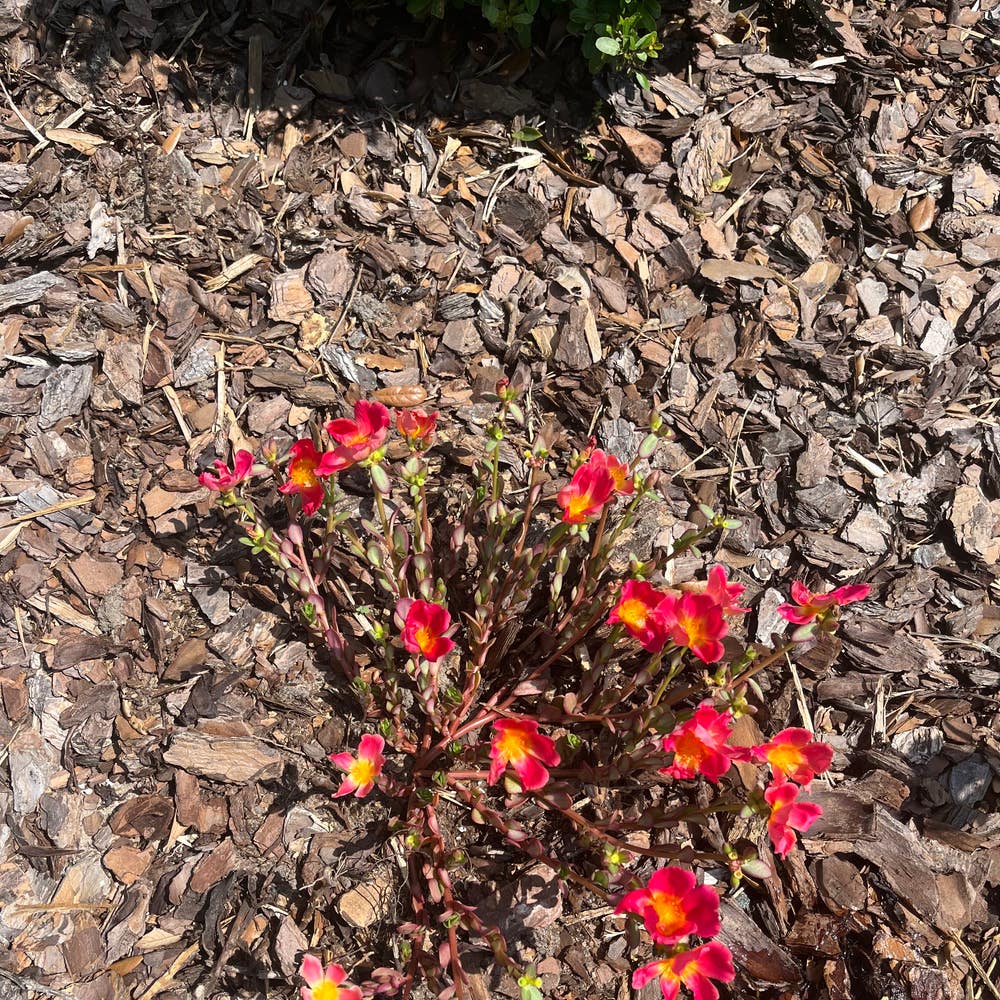
Year-Round Light Requirements For Your Wingpod Purslane
Portulaca umbraticola
By the Greg Editorial Team
Jun 17, 2024•5 min read
This article was created with the help of AI so we can cover more plants for you. May contain errors. See one? Report it here.
Maximize Wingpod Purslane's vibrancy year-round with these tailored light strategies! 🌞🌱
- ☀️ Full sun to partial shade needed for 6+ hours daily.
- 🌱 East/west windows ideal indoors; consider grow lights if needed.
- 🌸 Adjust light for flowering; too much or too little affects blooms.
Optimal Outdoor Light Conditions for Wingpod Purslane
🌞 Full Sun to Partial Shade: The Sweet Spot
Wingpod Purslane basks in the glory of full sun to partial shade. It's a sun worshipper, thriving with a golden tan rather than a burn. Aim for a spot where the sun's rays can pamper it for at least 6 hours daily.
💡 Daily Sunlight Exposure: Count the Hours
For robust growth, your Wingpod Purslane needs a solid block of sunlight. 3 to 6 hours of direct sun is the minimum to keep it from throwing a shade tantrum. But more is merrier, as long as you're not pushing it into a solar cooker scenario.
🌅 Mid-Day Sun: Play It Cool
When the sun hits its peak, it's like a spotlight that's a bit too intense. If you can, shield your Purslane from the mid-day blaze. Think of it as putting on sunglasses for your plant—protective, yet still soaking up those rays.
🌄 Transitioning to the Outdoors: Gradual Sunning
If your Purslane is stepping out for the first time, don't throw it into the sun's embrace all at once. Gradual exposure helps it acclimate without the shock of a sunburn. It's like easing into a hot bath, not diving into a boiling pot.
🌳 Neighboring Plants: Mind the Shadows
Keep an eye on the botanical bullies that might cast a shadow over your Purslane. Tall neighbors can hog the spotlight, so plan your garden's layout to avoid a shade showdown. It's a delicate dance of sunlight and shadow.

Meeting Indoor Light Needs for Wingpod Purslane
💡 Best Practices for Window Placement
East or west-facing windows are the sweet spot for your Wingpod Purslane indoors. These orientations provide the Goldilocks zone of light—bright but not too harsh. Keep your plant within 3 feet of the window to avoid the shadows and ensure it gets its sunbathing fix. Remember, direct sunlight is like a summer day at the beach without sunscreen for these guys—too much can lead to a crispy demise.
💡 Supplemental Grow Lights
When the sun just isn't enough, it's time to talk grow lights. LED is the way to go—they're cooler, more energy-efficient, and won't turn your living room into a sauna. Aim for a light that mimics the full spectrum of sunlight. Purple lights? They're not just for show; they cater to the specific light wavelengths your plant craves. But don't get lost in the wattage war—a moderate output LED will do the trick. Place it about 30-50cm above your plant and keep it on for 12-16 hours to mimic those long, sunny days. And yes, that adjustable floor lamp you've got? Perfect for spotlighting your green buddy.
💡 Indoor Light Intensity
If you're feeling scientific, measure the light intensity. You're aiming for 5,000+ foot-candles of brightness to keep your Wingpod Purslane from throwing a fit. Not hitting those numbers? Shuffle your plant around—it's like musical chairs, but with more photosynthesis and less music.
💡 When to Supplement
Keep an eye on your plant's color. If it starts looking like it's been on a diet of fast food—pale and unhealthy—it's time to introduce a grow light to its life. Just like us, plants need their version of a balanced diet, and light is a big part of that.
Remember, growing Wingpod Purslane indoors isn't rocket science, but it does require some finesse with lighting. Get it right, and you'll be the proud parent of a flourishing, photosynthesizing family member.

Light Requirements During Wingpod Purslane Flowering
💡 Triggering Bloom in Wingpod Purslane
To kickstart flowering, Wingpod Purslane demands a specific light recipe. While general care suggests a preference for bright, indirect light, the flowering phase is a bit more demanding. Think of it as the plant's version of getting ready for a big event—it needs the right kind of light to put on its best show.
💡 Maintaining Flowering with Adequate Light
Once the blooms have made their grand entrance, maintaining them requires a delicate balance. Direct sunlight can be harsh, potentially leading to the floral equivalent of a sunburn. On the flip side, too little light and your Wingpod Purslane might as well be trying to flower in a closet. Aim for a sweet spot where the light is bright enough to sustain flowering without turning your plant into a crispy critter.
💡 Practical Lighting Tips for Flowering
If you're growing indoors, place your Wingpod Purslane near a window that gets plenty of light but is shielded from the midday sun. No window spot? No problem. Grow lights can be a game-changer, simulating the optimal conditions for your plant to continue its floral performance. Just remember, it's not about blasting your plant with a light cannon; it's about mimicking the natural conditions it craves.
💡 Light Intensity and Duration
Specifics matter when it comes to light intensity and duration. Too much intensity and your flowers might wilt faster than ice cream on a hot sidewalk. Too little and they won't open fully, like a shy performer on stage. Aim for a light intensity that's bright but not blinding and a duration that aligns with the natural day cycle—think of it as a light diet that's just right for your plant's waistline.
💡 Observing and Adjusting
Keep an eye on your Wingpod Purslane as it flowers. If the blooms are lackluster or the plant seems stressed, it's time to play detective. Adjust the light exposure and watch how your plant responds. It's a bit like tuning an instrument—get it right, and the result is harmonious. Get it wrong, and well, you'll know it.

⚠️ Safety First
This content is for general information and may contain errors, omissions, or outdated details. It is not medical, veterinary advice, or an endorsement of therapeutic claims.
Always consult a qualified healthcare professional before using any plant as food, medicine, or supplement.
Never eat any plant (or feed one to pets) without confirming its identity with at least two trusted sources.
If you suspect poisoning, call Poison Control (800) 222-1222, the Pet Poison Helpline (800) 213-6680, or your local emergency service immediately.
Spotted an error? Please report it here.
Keep your Wingpod Purslane flourishing 🌞 with Greg's PlantVision, ensuring it receives the ideal light exposure for those year-round vibrant blooms!