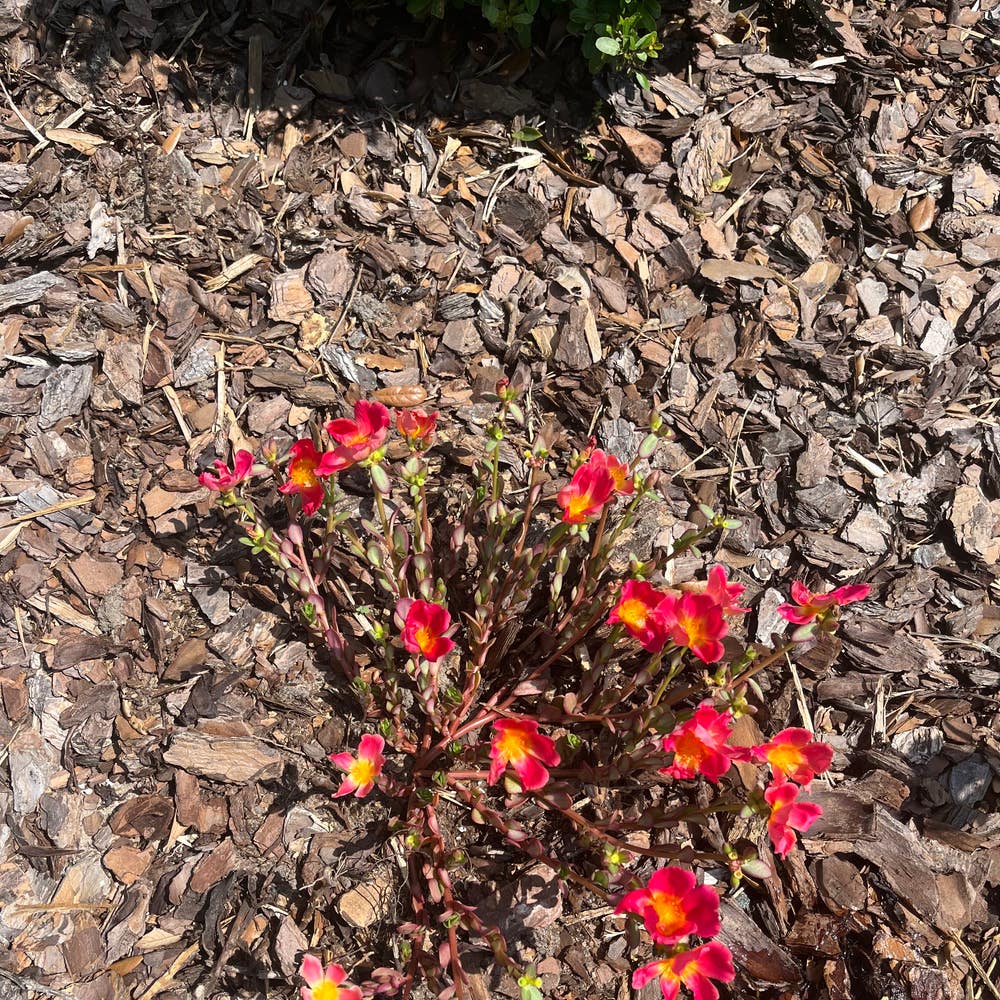
8 Outdoor Care Hacks for Wingpod Purslane 💧
Portulaca umbraticola
By the Greg Editorial Team
Sep 30, 2024•7 min read
This article was created with the help of AI so we can cover more plants for you. May contain errors. See one? Report it here.
Transform your garden with thriving wingpod purslane by mastering sunlight and care essentials! 🌞🌱
- ☀️ Wingpod purslane needs 6-8 hours of sunlight for vibrant growth and blooms.
- 💧 Water every 1-2 weeks, adjusting for seasons to prevent yellowing leaves.
- 🌱 Use well-draining soil and organic matter for optimal fertility and drainage.
Sunlight Requirements
Ideal Sunlight Exposure 🌞
Wingpod purslane thrives in full sun, needing at least 6-8 hours of direct sunlight each day. While it can tolerate some afternoon shade, this may hinder its flowering potential.
Impact of Sunlight on Growth 🌱
Insufficient sunlight can result in leggy growth and fewer blooms. In contrast, optimal sunlight conditions encourage robust growth and vibrant flowers, making your garden truly pop.
Understanding these sunlight requirements is crucial for cultivating healthy purslane. With the right exposure, you’ll set the stage for a flourishing plant that brings joy to your outdoor space.
Next, let’s explore the watering needs and frequency to keep your wingpod purslane thriving.
Watering Needs and Frequency
🌊 General Watering Guidelines
Wingpod purslane thrives with a simple watering routine. Allow the soil to dry out between waterings, typically every 1-2 weeks.
🚫 Signs of Overwatering
Be on the lookout for yellowing leaves and root rot, which are clear indicators that you might be giving your plant too much water. Adjust your watering schedule accordingly to keep your purslane healthy.
☀️ Seasonal Adjustments
As temperatures rise in summer, increase your watering frequency. Your plants will appreciate the extra moisture during those hot months.
❄️ Reduced Watering in Cooler Seasons
Conversely, during cooler and wetter seasons, scale back on watering. This helps prevent waterlogging and keeps your purslane thriving year-round.
Understanding these watering needs will set you on the right path to nurturing your wingpod purslane. Next, let’s explore the ideal soil preferences and amendments to further enhance its growth.
Soil Preferences and Amendments
Ideal Soil Composition 🌱
Wingpod purslane thrives best in well-draining soil. Sandy or loamy soil is ideal, as it prevents waterlogging, which can be detrimental to the plant's health.
Maintaining a slightly acidic to neutral soil pH, ideally between 6.0 and 7.0, is crucial for optimal growth. This pH range allows the plant to absorb nutrients effectively.
Soil Amendments 🧑🌾
To boost soil fertility and drainage, incorporating organic matter like compost is highly beneficial. Compost enriches the soil, providing essential nutrients that promote healthy growth.
For heavy soils, mixing in perlite or sand can significantly enhance drainage. This adjustment helps prevent root rot and ensures your purslane remains healthy and vibrant.
By focusing on the right soil composition and amendments, you set the stage for robust growth and flourishing blooms. Next, let’s explore the fertilization techniques that will further support your wingpod purslane's development.
Fertilization Techniques and Schedules
🌱 Fertilization Recommendations
To keep your Wingpod Purslane thriving, opt for a balanced, slow-release fertilizer. This type of fertilizer provides a steady supply of nutrients, ensuring your plants get what they need without overwhelming them.
Fertilize every 4-6 weeks during the growing season. This regular feeding schedule helps promote healthy growth and vibrant blooms.
⚠️ Signs of Nutrient Deficiency
Watch for yellowing leaves, which often signal a nitrogen deficiency. If you notice this, it’s time to boost your fertilization efforts.
Poor flowering can indicate a lack of phosphorus. If your plants aren’t blooming as expected, consider adjusting your fertilizer to include more phosphorus-rich options.
By keeping an eye on these signs, you can ensure your Wingpod Purslane remains healthy and productive. Next, let’s explore how to protect your plants from weather extremes and pests.
Weather Protection and Pest Management
🌞 Strategies for Protecting from Extreme Heat
Extreme heat can stress your Wingpod Purslane, but there are effective ways to shield it.
- Mulching: A layer of organic mulch helps retain soil moisture, keeping roots cool and hydrated.
- Shade Cloth: During peak heat, using shade cloth can significantly reduce sun exposure, protecting your plants from scorching.
❄️ Methods for Shielding from Frost
Frost can be a real threat to your plants, but you can take steps to minimize damage.
- Row Covers: Lightweight fabric row covers act as a protective barrier during cold snaps, keeping warmth in.
- Planting Location: Choose sheltered areas for planting to naturally reduce frost exposure, giving your plants a better chance to thrive.
🌧️ Tips for Managing Heavy Rainfall
Heavy rainfall can lead to waterlogged soil, which is detrimental to Wingpod Purslane.
- Raised Beds: Planting in raised beds improves drainage, allowing excess water to escape.
- Monitoring Soil Moisture: Regularly check soil moisture levels to ensure it doesn’t become overly saturated.
🐛 Common Outdoor Pests
Pests can wreak havoc on your plants if not managed properly.
- Aphids: Look for curled leaves and sticky residue, which are telltale signs of an aphid infestation.
- Slugs and Snails: Irregular holes in leaves often indicate these pests are munching away.
🌱 Organic Pest Control Methods
Managing pests organically is both effective and environmentally friendly.
- Neem Oil: This natural solution works wonders against aphids and other soft-bodied insects.
- Handpicking: For slugs and snails, manual removal can be surprisingly effective, keeping your plants safe without chemicals.
With these strategies in place, your Wingpod Purslane will be better equipped to handle the elements and fend off pests. Next, let’s explore seasonal care tips to keep your plants thriving throughout the year.
Seasonal Care
🌸 Spring Care Tips
Spring is the perfect time to rejuvenate your Wingpod Purslane. Start by pruning away any dead or damaged leaves; this encourages fresh growth and keeps your plant looking vibrant.
As growth resumes, it's essential to begin fertilizing. A balanced approach will set the stage for a flourishing season ahead.
☀️ Summer Maintenance Strategies
During the hot summer months, regular watering becomes crucial. Increase your watering frequency to keep the soil moist but not soggy.
Pest monitoring is also vital in summer. Keep an eye out for common pests and treat them promptly to ensure your plants thrive.
🍂 Fall Preparation for Winter
As fall approaches, mulching is key to protecting your plants. A layer of mulch will insulate the roots and help retain moisture during colder months.
Don’t forget about harvesting! Collect seeds for next season's planting to ensure a continuous supply of this delightful plant.
❄️ Winter Care Considerations
In USDA zones 9-11, Purslane can be grown as a perennial, thriving through the winter. If you're in zones 7-8, consider treating it as an annual or providing additional winter protection.
With the right care throughout the seasons, your Wingpod Purslane will flourish, bringing beauty and utility to your garden. Next, let’s explore special considerations for different climate zones and companion planting strategies.
Special Considerations
🌍 Adapting Care for Different Climate Zones
Caring for Wingpod Purslane varies significantly based on your climate. In hot, dry climates, prioritize drought-tolerant practices and enhance soil with amendments to retain moisture.
In cooler climates, proper winter protection is essential. Consider container gardening to easily move plants indoors or to sheltered spots during cold spells.
🌱 Companion Planting
Companion planting can enhance your garden's health and productivity. Pair Wingpod Purslane with tomatoes and peppers; these companions can help deter pests naturally.
However, avoid planting it with other succulents. They may compete for water, which can stress your Purslane and hinder its growth.
🍽️ Harvesting Tips and Culinary Uses
Harvesting young leaves is a delightful way to enjoy Wingpod Purslane. These tender leaves are perfect for salads and garnishes, adding a fresh, vibrant touch to your dishes.
Incorporate Purslane into soups or use it as a garnish for various meals. Its versatility in the kitchen makes it a fantastic addition to your culinary repertoire.
As you explore these special considerations, you'll find that adapting your care techniques can lead to a thriving garden. Next, let’s dive into the seasonal care tips to keep your Purslane flourishing throughout the year.
⚠️ Safety First
This content is for general information and may contain errors, omissions, or outdated details. It is not medical, veterinary advice, or an endorsement of therapeutic claims.
Always consult a qualified healthcare professional before using any plant as food, medicine, or supplement.
Never eat any plant (or feed one to pets) without confirming its identity with at least two trusted sources.
If you suspect poisoning, call Poison Control (800) 222-1222, the Pet Poison Helpline (800) 213-6680, or your local emergency service immediately.
Spotted an error? Please report it here.
Boost your wingpod purslane's growth with these 8 outdoor care hacks 🌞, and let Greg provide custom watering reminders and tailored tips to keep your garden thriving all season long!