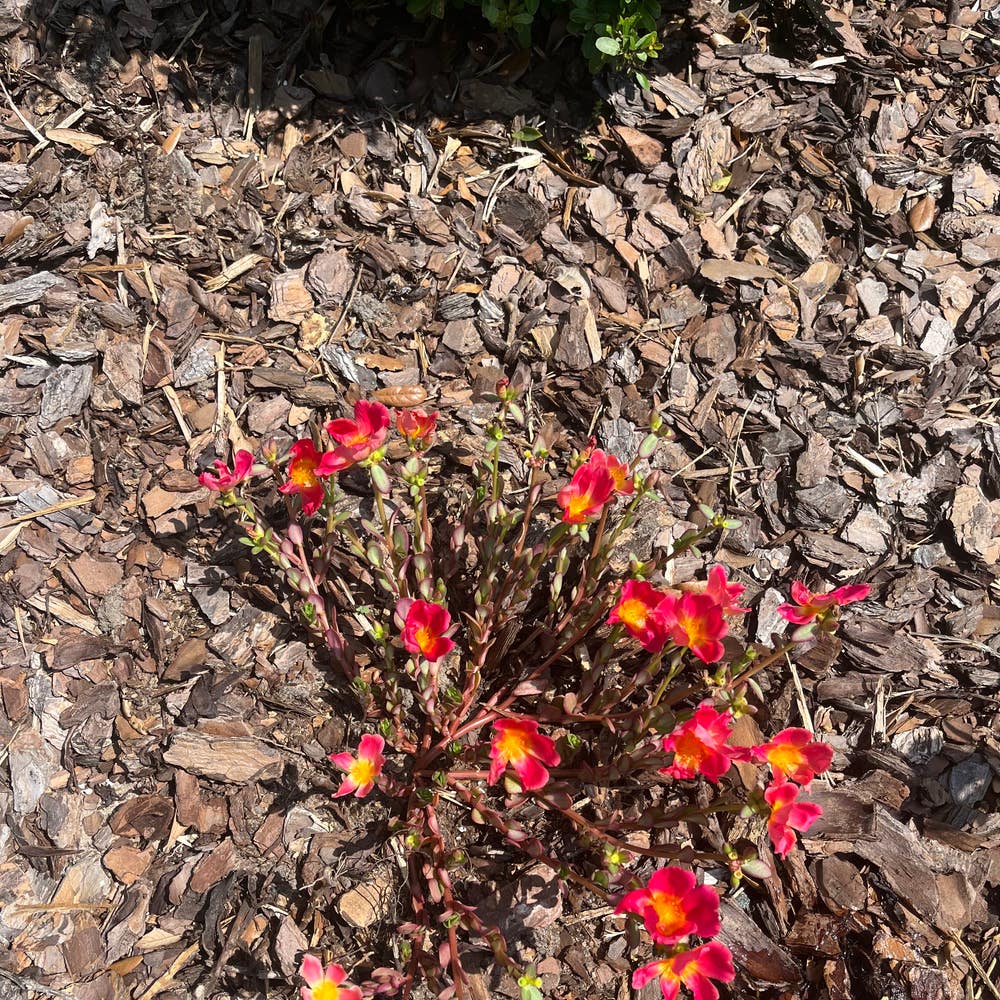
🌼 Wingpod Purslane Is a Garden Plant, Not a Weed
Portulaca umbraticola
By the Greg Editorial Team
Sep 30, 2024•6 min read
This article was created with the help of AI so we can cover more plants for you. May contain errors. See one? Report it here.
Elevate your garden's beauty and biodiversity 🌱 with the drought-resistant Wingpod Purslane, a sustainable choice for eco-friendly gardening!
- 🌱 Wingpod Purslane is non-invasive, perfect for enhancing garden biodiversity without disruption.
- ☀️💧 Thrives in full sun and well-drained soils, ideal for low-maintenance, drought-resistant gardens.
- 🌼 Attracts pollinators while improving soil health, making it a functional garden choice.
Plant Classification
🌱 Definition of Invasive Species
Invasive species are non-native plants that spread aggressively. They outcompete local flora and disrupt ecosystems, often leading to a decline in biodiversity.
Key characteristics of invasive species include:
- Rapid growth
- High reproductive rates
- Adaptability to various environments
🌼 Characteristics of Wingpod Purslane
Wingpod Purslane stands out as a non-invasive plant. It grows as a low-lying ground cover, spreading through self-seeding but without overwhelming other plants.
This resilient plant thrives in well-drained soils and can tolerate drought conditions, making it an excellent choice for xeriscaping. Historically, it has been used in various cultures for medicinal purposes and as a food source, showcasing its versatility.
Incorporating Wingpod Purslane into your garden not only enhances its beauty but also supports sustainable practices. As we explore its growth habits next, you'll see how this plant can fit seamlessly into your gardening plans.
Growth Habits
Typical Growth Patterns in Gardens 🌱
Wingpod Purslane is a low-lying ground cover that spreads gracefully across the garden floor. Its fleshy, succulent leaves not only add texture but also store water, making it exceptionally drought-resistant.
Natural Limits to Growth 🚧
This plant thrives in well-drained soils and full sun, which naturally limits its spread in shaded or poorly drained areas. While it can self-seed, it does so in a way that allows other plants to coexist without being overwhelmed.
Spread Potential and Management 📏
The spread potential of Wingpod Purslane is moderate; it fills in spaces nicely without taking over. To maintain its aesthetic appeal, regular monitoring and selective pruning are effective management strategies.
Incorporating Wingpod Purslane into your garden can enhance its beauty while ensuring a balanced ecosystem. Next, let’s explore the ecological role this plant plays in supporting local wildlife and enriching garden biodiversity.
Ecological Role
Benefits to Local Ecosystems 🌍
Wingpod Purslane plays a vital role in enhancing garden biodiversity. It attracts beneficial insects and pollinators, creating a lively ecosystem that supports various forms of life.
Moreover, this plant contributes to soil health. By preventing erosion and improving moisture retention, it helps maintain a stable environment for other plants to thrive.
Interactions with Wildlife 🦋
The interactions between Wingpod Purslane and wildlife are largely positive. It serves as a food source for various pollinators and beneficial insects, fostering a balanced ecosystem.
This plant encourages local wildlife by providing shelter and sustenance, creating a harmonious environment where all species can flourish.
Companion Planting Benefits 🌱
Wingpod Purslane is an excellent companion for other native plants. Its presence enhances overall garden health by promoting diversity.
Diversity is key in gardening; it promotes resilience against pests and diseases. By incorporating Wingpod Purslane, you not only beautify your garden but also support a more robust ecosystem.
Incorporating these ecological benefits into your gardening practices can lead to a thriving, sustainable environment. As we explore garden management next, consider how these interactions can further enhance your garden's success.
Garden Management
Incorporating Wingpod Purslane into Garden Designs 🌼
Wingpod Purslane is a fantastic choice for garden designs, especially as a ground cover. It thrives in rock gardens, borders, and xeriscaped areas, providing a lush, green carpet that requires minimal upkeep.
Its vibrant yellow flowers and succulent leaves not only enhance visual appeal but also attract beneficial insects. This makes it a dual-purpose plant that beautifies your garden while supporting local wildlife.
Growth Control Methods ✂️
To keep Wingpod Purslane looking its best, regular pruning is essential. This helps control its spread and maintain the desired shape, ensuring it complements your garden design rather than overwhelming it.
Monitoring growth patterns is equally important. Keeping an eye on how it spreads allows you to prevent any unwanted encroachment into other areas of your garden.
Incorporating Wingpod Purslane into your garden can lead to a thriving, low-maintenance landscape that benefits both you and the ecosystem. As you explore its potential, consider how it can enhance your garden's overall health and beauty.
Comparison to Other Plants
🌱 Similar Non-Invasive Plants
When considering non-invasive ground covers, several options come to mind. Plants like creeping thyme and sedum are popular choices, each offering unique benefits and care requirements.
Creeping thyme thrives in well-drained soils and provides fragrant foliage, while sedum is known for its drought resistance and vibrant colors. Unlike these plants, Wingpod Purslane stands out for its ability to flourish in extremely dry conditions, making it a top contender for xeriscaping.
🌟 Unique Qualities of Wingpod Purslane
One of Wingpod Purslane's standout features is its exceptional drought tolerance. This plant can survive in arid environments where many others struggle, making it a reliable choice for gardeners in dry regions.
Additionally, Wingpod Purslane isn't just an ornamental plant; it has nutritional and medicinal uses. This dual purpose sets it apart from many other ornamental plants that primarily serve aesthetic functions.
🌼 Benefits Over Other Garden Plants
Wingpod Purslane is a low-maintenance option that requires significantly less water than traditional garden plants. This makes it an eco-friendly choice for those looking to reduce their water usage.
Moreover, its contributions to local ecosystems are noteworthy. By attracting beneficial insects and supporting wildlife, Wingpod Purslane enhances garden biodiversity, making it a valuable addition to any garden design.
In summary, Wingpod Purslane not only offers aesthetic appeal but also practical benefits that make it a superior choice compared to many other garden plants. As we explore garden management strategies, consider how this versatile plant can fit into your landscape.
Legal and Environmental Considerations
📜 Relevant Classifications and Guidelines
When considering Wingpod Purslane for your garden, it's essential to check local regulations. Many areas encourage the planting of non-invasive species, as they support local ecosystems without overwhelming native flora.
Understanding the importance of native plants is crucial. Non-invasive plants like Wingpod Purslane play a vital role in sustainable gardening, helping to maintain biodiversity while providing a beautiful landscape.
🌱 Sustainable Gardening Practices
Incorporating Wingpod Purslane into your garden design can be both practical and eco-friendly. Use it as a ground cover in xeriscaped areas, where its drought resistance shines.
The environmental impact of this plant is significant. By promoting biodiversity and enhancing soil health, Wingpod Purslane contributes positively to the ecosystem, making it a smart choice for any garden enthusiast.
As you plan your garden, consider how Wingpod Purslane can fit into your sustainable practices. Its ability to thrive in various conditions while supporting local wildlife makes it a standout option for eco-conscious gardeners.
Transitioning to the next topic, let's explore how Wingpod Purslane compares to other plants in your garden.
⚠️ Safety First
This content is for general information and may contain errors, omissions, or outdated details. It is not medical, veterinary advice, or an endorsement of therapeutic claims.
Always consult a qualified healthcare professional before using any plant as food, medicine, or supplement.
Never eat any plant (or feed one to pets) without confirming its identity with at least two trusted sources.
If you suspect poisoning, call Poison Control (800) 222-1222, the Pet Poison Helpline (800) 213-6680, or your local emergency service immediately.
Spotted an error? Please report it here.
Transform your garden with the vibrant Wingpod Purslane 🌱, a drought-resistant beauty that boosts biodiversity, and let Greg provide tailored care reminders to help your garden flourish effortlessly!