🐝 4 Easy Ways to Pollinate Wingpod Purslane
Portulaca umbraticola
By the Greg Editorial Team
Sep 30, 2024•5 min read
This article was created with the help of AI so we can cover more plants for you. May contain errors. See one? Report it here.
Discover how wingpod purslane's pollination secrets can transform your garden into a thriving ecosystem! 🌼
- 🌼 Wingpod purslane attracts bees and butterflies with bright flowers and sweet nectar.
- 🤝 Self-pollination ensures seed production, even without pollinators, enhancing resilience.
- 🌱 Hand pollination boosts genetic diversity and seed yield for healthier plants.
Flower Structure
🌼 Description of Flower Characteristics
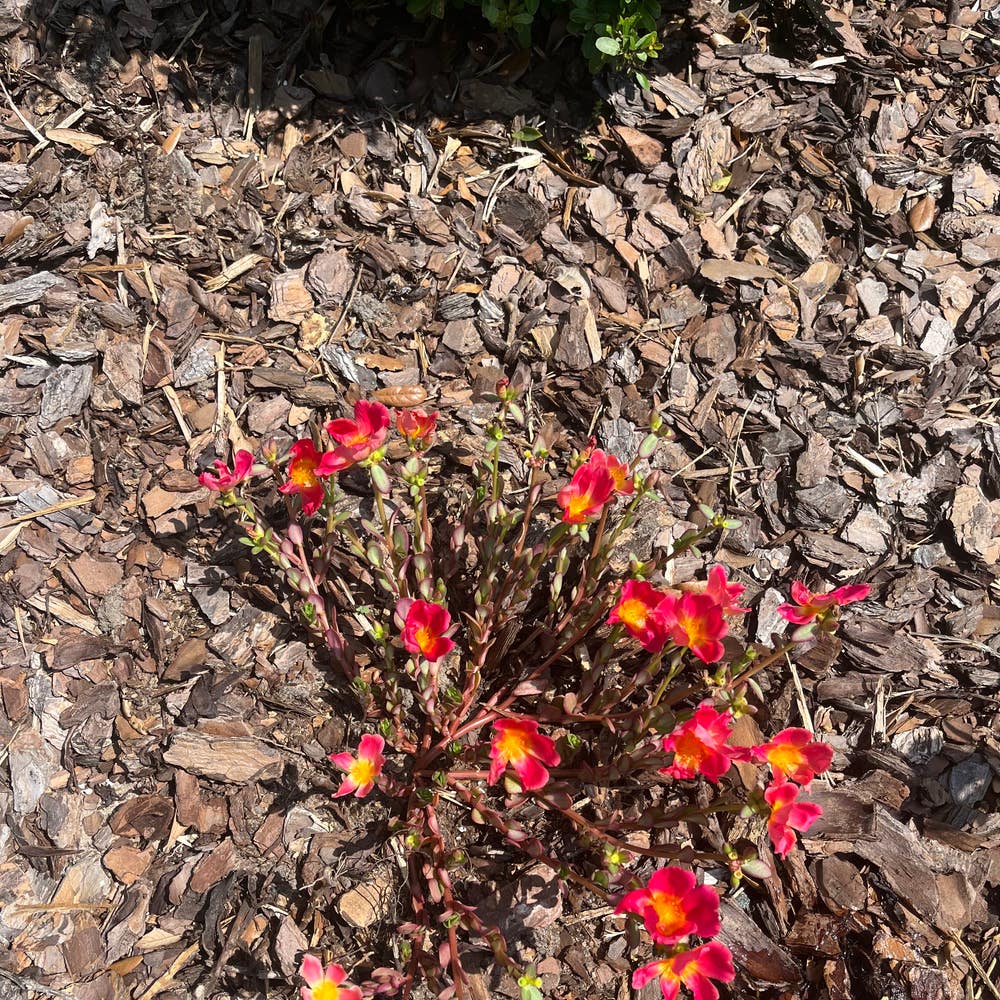
Wingpod purslane features small, cup-shaped flowers that are visually striking. Their bright yellow or orange hues serve as a beacon, attracting various pollinators.
The arrangement of these flowers in clusters enhances their visibility. This clustering not only makes them more appealing but also increases the chances of pollination.
🌱 Role of Flower Characteristics
Self-pollination is a fascinating mechanism in wingpod purslane. Here, the anthers release pollen that conveniently falls onto the stigma of the same flower, ensuring reproduction even when pollinators are absent.
On the other hand, cross-pollination involves transferring pollen from one flower to another. This process is crucial for promoting genetic diversity, which ultimately increases the plant's resilience and adaptability in changing environments.
Understanding these characteristics is vital for anyone interested in cultivating wingpod purslane. They highlight the plant's unique strategies for survival and reproduction, making it a remarkable addition to any garden.
As we delve deeper into the pollination process, we’ll explore how these flowers interact with their pollinators.
Pollination Process
Explanation of Self-Pollination 🌼
Self-pollination occurs when pollen transfers within the same flower, ensuring seed production without needing external help. This mechanism guarantees that even if pollinators are scarce, the plant can still reproduce.
Additional pollination, whether through wind or insects, can significantly boost seed yield and enhance genetic diversity. This diversity is crucial for the plant's adaptability and resilience in changing environments.
Identification of Primary Pollinators 🐝
Pollinator Species
- Bees: These buzzing helpers are drawn to the bright colors and sweet nectar, facilitating both self and cross-pollination.
- Butterflies: Their attraction to vibrant flowers not only adds beauty but also enhances cross-pollination as they flit from bloom to bloom.
- Hummingbirds: These energetic birds visit for nectar, playing a vital role in transferring pollen between flowers.
Attraction Mechanisms for Pollinators 🍯
Nectar Production
The sweet nectar produced by wingpod purslane serves as a delicious reward for visiting pollinators. This sugary treat encourages them to return, ensuring ongoing pollination.
Flower Color and Shape 🌈
Bright colors and unique shapes of the flowers are designed to catch the eye of various pollinators. This visual appeal is essential for attracting the right visitors to facilitate successful pollination.
Understanding these processes and the role of pollinators is vital for anyone looking to cultivate wingpod purslane effectively. With the right techniques and knowledge, you can enhance your garden's pollination success and contribute to the health of local ecosystems.
Next, we’ll explore hand pollination techniques to further support this beautiful plant.
Hand Pollination Techniques
Hand pollination can be a rewarding way to ensure the success of your Wingpod Purslane plants. Here’s a straightforward guide to help you navigate the process.
🌼 Step-by-Step Instructions for Hand Pollinating
Identify Male and Female Flower Parts:
Start by locating the male parts, known as anthers, which produce pollen. The female part, called the stigma, is where the pollen needs to land.Collecting Pollen:
Use a small brush or cotton swab to gently gather pollen from the anthers. This step is crucial for transferring the right material.Transferring Pollen:
Carefully apply the collected pollen to the stigma of another flower. This is where the magic happens, as you facilitate cross-pollination.Timing:
Aim to perform this task during peak flowering hours, typically mid-morning. Pollinators are most active then, making it an ideal time for your efforts.Ensuring Successful Fertilization:
Keep an eye on your plants for seed pod development. This is a good indicator that your hand pollination was successful.
Hand pollination not only boosts seed production but also enhances genetic diversity. By taking these steps, you contribute to the resilience of your Wingpod Purslane plants.
Next, let’s explore how to support pollinators in your garden to create a thriving ecosystem.
Supporting Pollinators
🌼 Creating a Pollinator-Friendly Environment
To support pollinators, start by incorporating plant diversity in your garden. A variety of flowering plants attracts different species, ensuring a bustling ecosystem.
Avoiding pesticides is crucial. Opt for organic methods to protect these vital creatures from harmful chemicals that can disrupt their natural behaviors.
🌱 Suggested Companion Plants
Consider planting marigolds. They not only attract beneficial insects but also deter pests that can harm your garden.
Lavender is another excellent choice. Its fragrant blooms provide nectar for bees and butterflies, enhancing overall pollination success.
By fostering a welcoming environment for pollinators, you contribute to a healthier ecosystem. This not only benefits your plants but also supports the broader environment.
Next, let’s explore the challenges that can hinder successful pollination and how to overcome them.
Pollination Challenges
Common Obstacles to Successful Pollination 🌪️
Pollination can be tricky due to various environmental factors. Extreme temperatures, whether scorching heat or biting cold, can significantly impact pollinator activity.
Humidity also plays a role; low humidity levels may deter pollinators from visiting your flowers. Additionally, the decline in pollinator populations due to urbanization and habitat loss poses a serious challenge.
Solutions for Overcoming Challenges 💪
To enhance pollination success, consider planting flowers in clusters. This strategy increases visibility and accessibility, making it easier for pollinators to find your plants.
Timing your planting is equally important. Aligning flowering periods with peak pollinator activity seasons can maximize your chances of successful pollination.
Seasonal Variations in Pollination 🌼
Wingpod purslane typically blooms during the warmer months. However, pollination success can vary with seasonal changes, so it's essential to monitor local conditions.
Keep an eye on weather patterns, as they can significantly impact pollinator behavior. By staying informed, you can optimize your pollination efforts and support your plants' growth.
With these insights, you're better equipped to tackle the challenges of pollination. Next, let’s explore how to create a pollinator-friendly environment that supports these essential creatures.
⚠️ Safety First
This content is for general information and may contain errors, omissions, or outdated details. It is not medical, veterinary advice, or an endorsement of therapeutic claims.
Always consult a qualified healthcare professional before using any plant as food, medicine, or supplement.
Never eat any plant (or feed one to pets) without confirming its identity with at least two trusted sources.
If you suspect poisoning, call Poison Control (800) 222-1222, the Pet Poison Helpline (800) 213-6680, or your local emergency service immediately.
Spotted an error? Please report it here.
Boost your garden's pollination success 🌼 with Greg's tailored reminders and tips, ensuring your wingpod purslane thrives while supporting a healthier ecosystem!