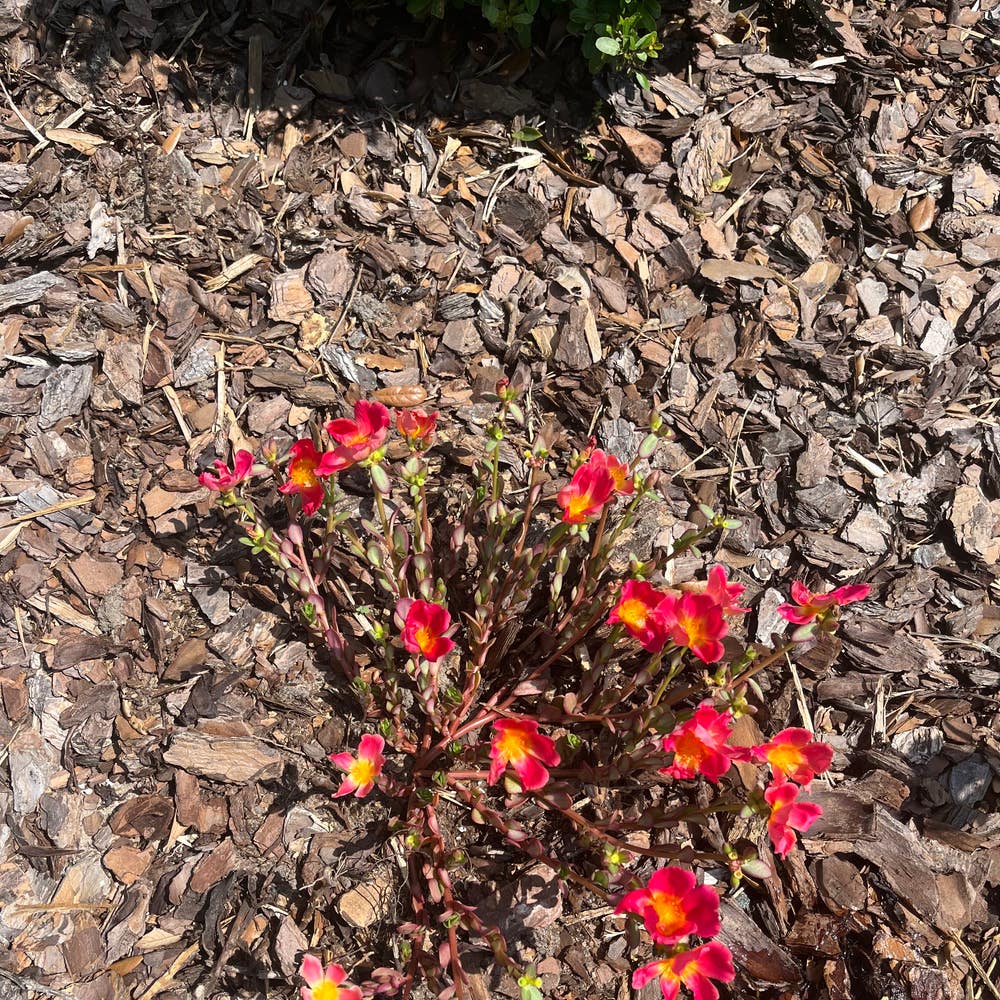
🌸 All About Mojave Pink Purslane: Essential Facts
Portulaca umbraticola
By the Greg Editorial Team
Jan 23, 2025•13 min read
This article was created with the help of AI so we can cover more plants for you. May contain errors. See one? Report it here.
Elevate your garden with resilient Mojave Pink Purslane 🌱—a vibrant, low-maintenance beauty for any space!
- 🌞 Mojave Pink Purslane needs 6-8 hours of sunlight daily for optimal growth.
- 🌱 Use well-draining sandy soil with a pH of 6.0 to 7.0 for best results.
- 💧 Water only when soil is dry to prevent root rot and ensure healthy growth.
How to Grow
Choosing a Location 🌞
Mojave Pink Purslane thrives in full sun, requiring 6 to 8 hours of sunlight daily. When deciding between outdoor and container growing, consider your space and climate; both options can yield beautiful results.
Soil Preparation 🏜️
For optimal growth, use well-draining sandy or rocky soil. Aim for a soil pH between 6.0 and 7.0, which is slightly acidic to neutral, ensuring your plants have the best environment to flourish.
Planting Techniques 🌱
When planting seeds, ensure they are sown at a depth of 1/4 inch. Space your plants 12 to 18 inches apart to allow for their natural growth and prevent overcrowding.
Watering Requirements 🚰
Water your Mojave Pink Purslane only when the soil has dried out completely. Be mindful of the signs of overwatering, such as yellowing leaves, and underwatering, which may cause wilting.
Fertilizing Tips 🍽️
During the growing season, provide light feeding with a balanced fertilizer to support healthy growth. Look for fertilizers specifically designed for succulents to meet their unique nutritional needs.
Pruning and Ongoing Care ✂️
To encourage bushier growth, employ gentle pruning techniques. Regular maintenance tasks, like removing dead leaves, will help keep your plants healthy and vibrant.
Outdoor vs. Container Growing 🏡
Container growing offers flexibility and control over soil conditions, making it ideal for Mojave Pink Purslane. For successful container gardening, ensure your pots have drainage holes and use a suitable potting mix to promote healthy root development.
With these tips, you're well on your way to cultivating a thriving garden of Mojave Pink Purslane! Next, let’s explore how to propagate this resilient plant.
Propagation
🌱 Seed Propagation
Sowing seeds for Mojave Pink Purslane is straightforward and rewarding. Start by preparing a well-draining soil mix, then plant the seeds about 1/4 inch deep.
For optimal germination, keep the soil moist but not soggy. Ideally, sow seeds in spring or early summer when temperatures are warm, as this encourages faster growth.
✂️ Cutting Propagation
Cutting propagation is another effective method to expand your Mojave Pink Purslane collection. Choose healthy stems that are at least 4 inches long, ensuring they are free from disease.
To root the cuttings, place them in a well-draining medium like cactus soil or perlite. Keep the cuttings in a warm, bright location, and mist them occasionally to maintain humidity until roots develop.
This method not only promotes new growth but also allows you to share your plants with friends. With a little patience, you'll see new roots forming in a few weeks, ready for planting.
Lifecycle
🌱 Overview of Lifecycle Stages
Mojave Pink Purslane can be classified as an annual or perennial plant, depending on the climate. In warmer regions, it thrives as a perennial, returning year after year, while in cooler areas, it behaves like an annual, completing its life cycle in one growing season.
🌿 Germination and Seedling Stage
Germination typically occurs within 7-14 days under optimal conditions. This stage is crucial as the seedlings establish their roots and begin to develop their first true leaves.
🌳 Vegetative Growth
During the vegetative growth phase, the plant focuses on leaf and stem development. Providing adequate sunlight and water during this time is essential for robust growth.
🌼 Flowering and Seed Production
Flowering usually occurs in mid to late summer, followed by seed production. The seeds are then dispersed, allowing the cycle to continue.
⏳ Growth Timeline and Lifespan
Mojave Pink Purslane reaches maturity in approximately 2-3 months. Under ideal conditions, the plant can live for about 2-3 years, making it a resilient addition to any garden.
This lifecycle understanding is vital for successful cultivation, ensuring you can enjoy the beauty and benefits of this unique plant. Next, let's explore how to effectively grow Mojave Pink Purslane in your garden.
Size
Mature Height and Spread 🌱
Mojave Pink Purslane typically reaches a mature height of 6 to 12 inches. Its spread can extend from 12 to 18 inches, making it a lovely addition to any garden or container.
Growth Rate and Size Variability 📈
This plant has a moderate growth rate, which can vary based on several factors. Key influences include soil quality, water availability, and sunlight exposure.
Impact of Growing Conditions on Size 🌍
The environment plays a crucial role in determining the size of Mojave Pink Purslane. Optimal conditions can lead to robust growth, while less favorable settings may stunt its development.
Understanding these aspects can help you create the best conditions for your plant, ensuring it thrives beautifully. As we move on, let’s explore how to propagate this resilient succulent effectively.
Roots
Root System Characteristics 🌱
Mojave Pink Purslane features a fibrous root system that spreads horizontally. This structure allows the plant to efficiently absorb nutrients and water from the surrounding soil.
Depth and Spread of Roots 📏
Typically, the roots reach a depth of 6-12 inches. They can also extend beyond the plant's canopy, providing stability and access to moisture.
Common Root-Related Issues ⚠️
Root rot is a common problem, often caused by overwatering or poorly draining soil. Healthy roots are firm and white, while unhealthy roots appear brown and mushy.
Recognizing and Addressing Rootbound Plants 🔄
Rootbound conditions occur when roots fill the pot, leading to stunted growth. Symptoms include slowed growth and roots emerging from drainage holes.
To alleviate rootbound issues, consider repotting the plant into a larger container. This gives the roots room to expand and thrive, ensuring your Mojave Pink Purslane remains healthy and vibrant.
Benefits
Mojave Pink Purslane is more than just a pretty plant; it offers a range of benefits that make it a fantastic addition to any garden.
🌟 Top 5 Benefits
1. Drought Tolerance
This succulent thrives in arid conditions, making it a champion of drought tolerance. By incorporating it into your garden, you can significantly reduce water usage while still enjoying vibrant greenery.
2. Nutritional Value
Mojave Pink Purslane isn’t just ornamental; its leaves and stems are edible and packed with nutrients. It’s a great source of omega-3 fatty acids, vitamins A and C, and minerals, making it a healthy choice for your diet.
3. Attracts Pollinators
The bright flowers of this plant are a magnet for pollinators like bees and butterflies. By planting it, you’re not only beautifying your space but also supporting local ecosystems.
4. Aesthetic Appeal
With its vibrant colors and unique texture, Mojave Pink Purslane adds a striking visual element to gardens. It can enhance the overall aesthetic, making your outdoor space more inviting.
5. Cultural Significance
This plant holds cultural importance in various traditional dishes. Incorporating it into your meals can connect you to culinary practices that celebrate its rich history.
Mojave Pink Purslane is a versatile plant that brings both beauty and practicality to your garden. Its benefits extend beyond mere decoration, making it a valuable addition to any green space.
Next, let’s explore the concept of companion planting and how it can enhance your gardening experience.
Companion Plants
🌱 Concept of Companion Planting
Companion planting is all about creating a harmonious garden environment. By pairing plants that benefit each other, you can enhance garden diversity and improve pest management.
🌼 Best Companion Plants
When it comes to Mojave Pink Purslane, several companions thrive alongside it. Consider planting:
- Other Succulents: They share similar water and light needs.
- Herbs: Basil and oregano can deter pests while complementing the purslane's growth.
These plants often have symbiotic relationships, sharing care requirements and creating a balanced ecosystem.
🚫 Plants to Avoid
Not all plants are good neighbors for Mojave Pink Purslane. Avoid those that compete for resources or attract pests, such as:
- Tall Grasses: They can overshadow the purslane.
- Heavy Feeders: Plants like tomatoes may drain nutrients from the soil.
Keeping these plants at bay ensures your purslane can thrive without unnecessary competition.
With the right companions, your garden can flourish, creating a vibrant and healthy environment for all your plants.
Toxicity to Humans
Mojave Pink Purslane is not listed as toxic by major poison control centers, making it a safe choice for gardens and homes. However, it's wise to be aware of potential minor issues that can arise from contact or ingestion.
🌱 Mild Irritation and Discomfort
While rare, some individuals may experience mild skin irritation if they come into contact with the plant. Additionally, excessive consumption could lead to digestive discomfort, so moderation is key.
⚠️ Caution is Key
Always exercise caution when introducing new plants into your environment. If you notice any unusual symptoms after contact or ingestion, seeking medical advice is a prudent step.
In summary, while Mojave Pink Purslane is generally safe, being informed and cautious ensures a positive experience with this vibrant plant. Next, let’s explore its edible aspects and how to enjoy its nutritional benefits.
Edible
Edible Parts 🌿
Mojave Pink Purslane is not just a pretty face in the garden; its leaves and stems are entirely edible. These succulent parts are often used in salads, sandwiches, and even as a garnish, adding a fresh, slightly tangy flavor.
Harvesting and Preparation 🥗
When it comes to harvesting, gently pinch off the leaves and stems, ensuring you don’t damage the plant. Rinse them thoroughly under cool water to remove any dirt or pests before using them in your dishes.
Nutritional Value 🥦
This vibrant plant is packed with nutrients. It boasts high levels of vitamins A, C, and E, along with essential minerals like magnesium and potassium, making it a fantastic addition to your diet.
Mojave Pink Purslane not only enhances your meals but also contributes to your overall health. With its nutritional benefits and culinary versatility, it’s a plant worth cultivating in your garden.
As we explore further, let’s dive into the fascinating world of toxicity, particularly regarding pets.
Toxicity to Dogs
Mojave Pink Purslane is not listed as toxic by major pet poison control centers, making it a safe choice for homes with dogs. However, it's important to be aware that excessive consumption can lead to mild gastrointestinal upset.
🐶 Monitoring Your Dog
When introducing this plant into your home, consider its placement carefully. Keep it out of reach to prevent any curious nibbling.
👀 Observing Behavior
Always monitor your dog's behavior around the plant. If you notice any unusual symptoms after they have been near it, consult your veterinarian for advice.
In summary, while Mojave Pink Purslane poses minimal risk to dogs, a little caution goes a long way in ensuring a harmonious home environment. Next, let's explore the plant's toxicity to cats and how to keep your feline friends safe.
Toxicity to Cats
Mojave Pink Purslane is not listed as toxic by major pet poison control centers, making it a safe choice for cat owners. However, like many plants, it can cause mild gastrointestinal upset if consumed in excessive amounts.
🐱 Monitoring Your Cat
When introducing this plant into your home, consider its placement carefully. Keep it out of reach of your curious feline friends to minimize any potential nibbling.
👀 Observing Behavior
It's essential to monitor your cat's behavior around the plant. If you notice any unusual symptoms, such as vomiting or lethargy, consult your veterinarian for advice.
In summary, while Mojave Pink Purslane poses minimal risk to cats, a little caution goes a long way in ensuring your furry companions stay healthy and happy. Next, let’s explore the potential toxicity of this plant to dogs.
Problems
Common Problems 🌱
Mojave Pink Purslane can face several challenges that may hinder its growth.
Incorrect Watering
One of the most common issues is improper watering. Overwatering can lead to root rot, while underwatering may cause the plant to wilt.
Incorrect Light Conditions
Insufficient light can stunt growth and lead to leggy plants. Signs include pale leaves and a lack of new growth.
Diseases
Fungal diseases, such as powdery mildew, can affect the plant, especially in humid conditions. Look for white, powdery spots on the leaves as a key indicator.
Root Problems
Root rot is a serious concern, often resulting from overwatering. Symptoms include mushy roots and a foul smell.
Leaf Issues
Scorching and yellowing leaves can signal stress. These symptoms often arise from too much direct sunlight or nutrient deficiencies.
Identifying Symptoms and Causes 🔍
Understanding the symptoms of these problems is crucial for effective care.
- Overwatering: Leaves may turn yellow and feel mushy.
- Underwatering: Leaves will appear shriveled and dry.
- Insufficient Light: Growth becomes sparse, and leaves lose their vibrant color.
- Powdery Mildew: White spots on leaves indicate fungal infection.
- Root Rot: Roots appear black and mushy, often with a bad odor.
- Scorching Leaves: Leaves may develop brown edges or spots from excessive sun exposure.
Solutions for Each Problem 🛠️
Addressing these issues promptly can help revive your Mojave Pink Purslane.
- For Overwatering: Allow the soil to dry out completely before watering again. Consider repotting if root rot is present.
- For Underwatering: Increase watering frequency, ensuring the soil remains moist but not soggy.
- For Insufficient Light: Move the plant to a brighter location where it can receive full sun for at least 6-8 hours daily.
- For Powdery Mildew: Remove affected leaves and improve air circulation around the plant. A fungicide may also help.
- For Root Rot: Trim away affected roots and repot in fresh, well-draining soil.
- For Leaf Scorching: Provide some shade during the hottest part of the day to protect the leaves.
By staying vigilant and addressing these common problems, you can ensure your Mojave Pink Purslane thrives. Next, let’s explore how to effectively propagate this resilient plant.
Bugs
Potential Pest Issues 🐜
Mojave Pink Purslane is generally resilient but can face pest challenges. Understanding its susceptibility helps in proactive management.
Identification and Damage 🔍
Common pests that may target your purslane include:
- Spider Mites: Tiny, spider-like creatures that create fine webs and cause stippling on leaves.
- Aphids: Small, soft-bodied insects that cluster on new growth, leading to curling leaves.
- Whiteflies: Tiny, white flying insects that can cause yellowing leaves and a sticky residue.
Symptoms of infestations often manifest as discoloration, wilting, or visible pests on the plant.
Treatment Options 🛠️
Managing pest issues effectively is key to maintaining healthy Mojave Pink Purslane. Here are some effective methods:
- Insecticidal Soap: Spray on affected areas to suffocate pests.
- Neem Oil: A natural pesticide that disrupts pest life cycles.
- Companion Planting: Introduce beneficial plants that deter pests naturally.
Regular monitoring and prompt action can keep your purslane thriving and pest-free. With these strategies, you can enjoy the beauty and benefits of this unique plant without the worry of pest damage.
What Eats
Common Animals 🦌
Mojave Pink Purslane can attract a variety of hungry critters. Common culprits include deer, rabbits, and squirrels, all of which may find the succulent's tender leaves irresistible.
Signs of Damage 🐾
Identifying damage from these animals is crucial for timely intervention. Look for chewed leaves, missing stems, or even footprints around your plants, which can indicate recent visits from these garden invaders.
Deterrent Methods 🚫
To protect your Mojave Pink Purslane, consider both chemical and organic deterrent methods. Chemical repellents can create an unpleasant taste or smell for animals, while organic options like planting strong-smelling herbs or using physical barriers can effectively keep them at bay.
By employing these strategies, you can enjoy your vibrant plants without the worry of them becoming a snack for local wildlife.
⚠️ Safety First
This content is for general information and may contain errors, omissions, or outdated details. It is not medical, veterinary advice, or an endorsement of therapeutic claims.
Always consult a qualified healthcare professional before using any plant as food, medicine, or supplement.
Never eat any plant (or feed one to pets) without confirming its identity with at least two trusted sources.
If you suspect poisoning, call Poison Control (800) 222-1222, the Pet Poison Helpline (800) 213-6680, or your local emergency service immediately.
Spotted an error? Please report it here.
Mojave Pink Purslane is a sun-loving superstar ☀️ that thrives with the right care, and Greg can help you succeed by providing tailored watering reminders and expert tips for optimal growth!