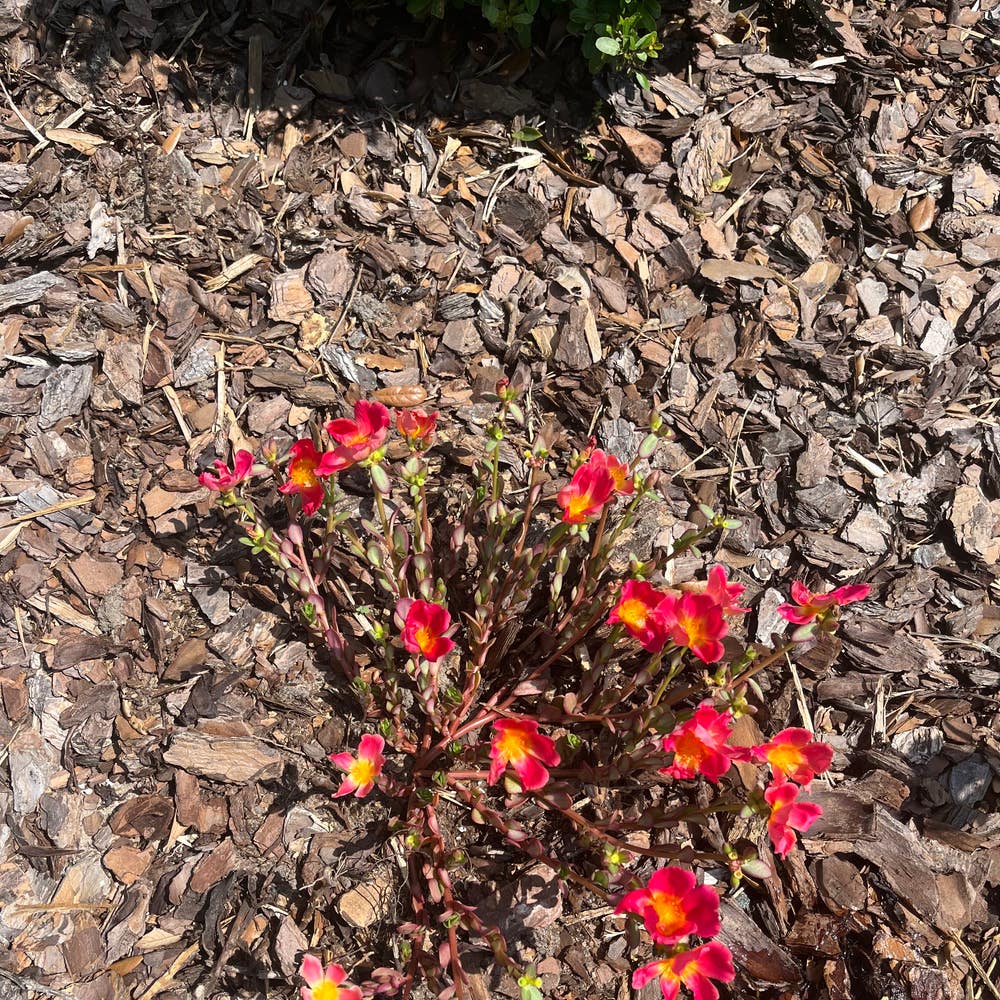
Wingpod Purslane Root Rot Solutions
Portulaca umbraticola
By the Greg Editorial Team
Jun 17, 2024•5 min read
This article was created with the help of AI so we can cover more plants for you. May contain errors. See one? Report it here.
Rescue your Wingpod Purslane from root rot's clutches with our essential guide! 🌿🚫
- Spot early signs like yellow spots, wilting leaves, or sweet smell to save your plant.
- Trim and repot with well-draining soil and use fungicides like copper or neem oil.
- Prevent with care: Adjust watering, ensure good drainage, and maintain clean tools.
Identifying Root Rot in Wingpod Purslane
Spotting the initial symptoms of root rot in Wingpod Purslane is crucial for the plant's survival. Look for leaves that appear wilting or are lighter in color than usual, which could be a sign of distress.
🌿 Above Ground Symptoms
The plant's foliage often gives the first clues. Yellow spots may indicate the onset of white rust, a precursor to more serious issues like root rot. If the leaves are wilting or have a chalky-white appearance, it's time to investigate further.
🔍 Examining the Root System
Uproot your suspicions by checking the roots directly. Healthy roots should be firm and white, while rotting roots are often brown, soft, and have a slimy texture. If the roots are falling apart when touched, it's a red flag.
🚨 Other Indicators
Don't ignore a faint, sweet smell from the plant base or a squishy texture—these are telltale signs of wet rot. Additionally, if the plant's growth seems stunted or the leaves are curling, root rot could be the culprit.
🛠️ Immediate Actions
Upon identifying these symptoms, it's time for some plant surgery. Trim the affected roots with clean tools and consider repotting the plant in fresh, well-draining soil to give it a fighting chance.

Treating Root Rot in Wingpod Purslane
🚑 Immediate Steps for Root Rot
Upon detecting root rot, it's a race against time. Trim the affected roots without mercy, ensuring you remove all the decay. Sterilize your tools with a 10% bleach solution to prevent spreading the disease. Next, give the remaining roots a dip in a copper-based fungicide; it's like hand sanitizer for plants.
🌱 Soil Replacement
After surgery, it's out with the old, in with the new. Repot your Wingpod Purslane in fresh, sterile soil that's like a comfy bed with clean sheets—inviting and disease-free. Ensure the new pot has excellent drainage to keep those roots breathing easy.
💪 Fungicide Application
When it comes to fungicides, think of them as your plant's personal bodyguards. Mancozeb or chlorothalonil can be your go-to for keeping fungal foes at bay. Apply according to the label instructions—no winging it here.
🌿 Natural Treatments
For those who prefer the organic route, neem oil can be a plant lifesaver. It's like chicken soup for the sick plant's soul, offering comfort and pest control in one natural package. Remember, though, neem oil is not a cure-all, so keep an eye on your plant's progress.
🕵️ Monitoring
After treatment, don't just walk away. Monitor your plant like it's the season finale of your favorite show. Water sparingly, only when the soil is dry to the touch. Overwatering is what got you into this mess, so let's not go down that road again.

Watering Practices to Combat Root Rot
Adjusting irrigation is critical in the fight against root rot in Wingpod Purslane. Overwatering is like throwing a pool party for fungi; they love it, and your plant's roots will hate you for it. Water only when the soil feels dry an inch below the surface. It's a simple finger test that can save your plant's life.
🚰 The Role of Proper Drainage
Good drainage is the unsung hero in this saga. Ensure your pots have drainage holes that aren't just for show. If you're mixing your own soil, throw in some perlite or sand to keep it loose and airy, like a good cheesecake.
🚰 Watering Frequency and Volume
Remember, Wingpod Purslane isn't a camel; it doesn't store water for drought days. Water deeply but infrequently, letting the soil dry out between waterings. Think of it as a refreshing drink, not a flood.
🚰 Environmental Considerations
Be a weather watcher. When the mercury climbs, your plant will drink more. But when it's cooler, ease up on the watering can. It's not just about quenching thirst; it's about maintaining balance.
🚰 Pro Tips
Use room-temperature water to avoid shocking the roots. And if you're the forgetful type, set a reminder to check the soil before watering. Your plant will thank you by not dying.

Soil and Environmental Conditions to Prevent Root Rot
🌱 Selecting the Right Soil Mix
Well-draining soil is non-negotiable for Wingpod Purslane. Imagine soil like a loose, breathable garment for roots—it should hug them just right without suffocating. Perlite or sand can be your go-to additives for that airy touch. Remember, it's about balance: retain moisture but shun sogginess.
🌿 Soil Amendments
Compost is your secret weapon. Aged to perfection, it fosters beneficial bacteria that tell root rot pathogens to back off. Mix it in, and watch your Wingpod Purslane thank you with robust growth.
🏺 Pot and Environment
Size does matter—choose a pot that's Goldilocks-approved: not too big, not too small. Overly spacious pots invite water to throw a pool party, and that's a bash your plants could do without. As for the environment, think of it as setting the stage for success. Moderate humidity and good ventilation are like the bouncers keeping root rot at bay.
🚪 Preventing Pathogen Entry
It's a jungle out there, and injuries are gateways for the bad guys. Be gentle with your plants. Avoid wounding during transplanting and handle with care. Think of each root as a VIP that needs a smooth ride from pot to soil.
🔄 Crop Rotation and Sanitation
If you're playing the long game, a five-year crop rotation is your strategic move against pathogens. And cleanliness? It's not just for your hands. Keep your tools and pots as spotless as a five-star restaurant's kitchen.
💧 Watering Wisdom
Watering isn't just about quenching thirst; it's about timing and technique. Too much too soon, and you're asking for trouble. Let seedlings set their roots before you bring the rain. And always, always ensure that your irrigation is more of a gentle shower than a flood.
🌿 Integrated Approach
Don't put all your eggs in one basket. Combine pathogen-free plants, resistant varieties, and some good old-fashioned biological controls. It's like assembling a team of superheroes for your garden, each with their own special power against root rot.
⚠️ Safety First
This content is for general information and may contain errors, omissions, or outdated details. It is not medical, veterinary advice, or an endorsement of therapeutic claims.
Always consult a qualified healthcare professional before using any plant as food, medicine, or supplement.
Never eat any plant (or feed one to pets) without confirming its identity with at least two trusted sources.
If you suspect poisoning, call Poison Control (800) 222-1222, the Pet Poison Helpline (800) 213-6680, or your local emergency service immediately.
Spotted an error? Please report it here.
Banish root rot 🛡 from your Wingpod Purslane with Greg's custom watering schedules and care alerts, ensuring your plant thrives without the guesswork.